Pokhara Full-Day City Tour with Sarangkot Sunrise
Start
1
Country
Nepal
Difficulty
Easy
Destination
Pokhara City
Activity
Sightseing Tour
Transportation
Private Vehicle
Max Altitude
1,600 m
Group Size
1-29
Trip Starts
Pokhara
Trip Ends
Pokhara
Best Season
All Year
Overview
Key Highlights of the Pokhara City Tour
- Breathtaking sunrise view from Sarangkot over the Annapurna and Machhapuchhre ranges
- Visit to the mystical Gupteshwor Mahadev Cave
- Explore the powerful and iconic Devi’s Falls
- Insightful tour of the International Mountain Museum, showcasing Nepal’s mountaineering history and culture
- Peaceful experience at the Peace Pagoda (World Peace Stupa)
- Visit the stunning hilltop Pumdikot Shiva Statue
- Optional boating on Phewa Lake with visit to Tal Barahi Temple
- Comfortable private vehicle with an experienced local guide
Why Choose Best Heritage Tour for Your Pokhara City Tour?
- Free airport pick-up and drop-off service
- Online pre-trip briefing and booking confirmation for better preparation
- Multiple communication channels (Phone, Email, WhatsApp, Viber) for easy support
- 24/7 customer support available at +977-9851149197 / +977-9810043046
- Simple and secure payment options including Cash, Card & Bank Transfer
- Free luggage storage facility at Best Heritage Tour store during the tour
- We plant a tree in the name of travelers (upon request), as a part of our commitment to sustainable tourism
Pokhara City Tour Route Overview
The Pokhara Full-Day City Tour is the perfect way to experience the beauty, culture, and charm of Nepal’s most beloved lakeside city in a short yet memorable journey. Designed for travelers who want to explore Pokhara’s top attractions in a single day, this tour blends peaceful landscapes, spiritual landmarks, and iconic viewpoints into one enriching experience.
Your day begins before sunrise with a scenic drive to Sarangkot, Pokhara’s most famous viewpoint. As the sun slowly rises behind the Annapurna and Machhapuchhre ranges, you’ll witness a breathtaking display of golden light over the Himalayas - an unforgettable moment for nature lovers and photographers alike. After returning to your hotel for breakfast, the adventure continues with a visit to the powerful Devi’s Falls, one of Pokhara’s most dramatic natural wonders. Travelers may also choose to explore the nearby Gupteshwor Mahadev Cave, home to a sacred Shiva shrine and mysterious underground passageways.
The tour then leads you to the International Mountain Museum, where you’ll discover fascinating insights into Nepal’s mountaineering history, the lifestyle of Himalayan communities, and the world’s tallest peaks. Your journey continues uphill to the tranquil World Peace Pagoda, offering sweeping views of Pokhara Valley, Phewa Lake, and the surrounding mountains. Another highlight is the impressive Pumdikot Shiva Statue, a newly emerging attraction known for its spiritual ambiance and panoramic setting.
As the day winds down, you’ll return to the vibrant Lakeside area, where you may opt for a peaceful boating experience on Phewa Lake - a perfect way to end your one-day Pokhara adventure. This tour promises comfort, culture, and unforgettable scenery every step of the way.
What Can You Expect on the Pokhara City Tour?
1. Spectacular Himalayan Sunrise at Sarangkot
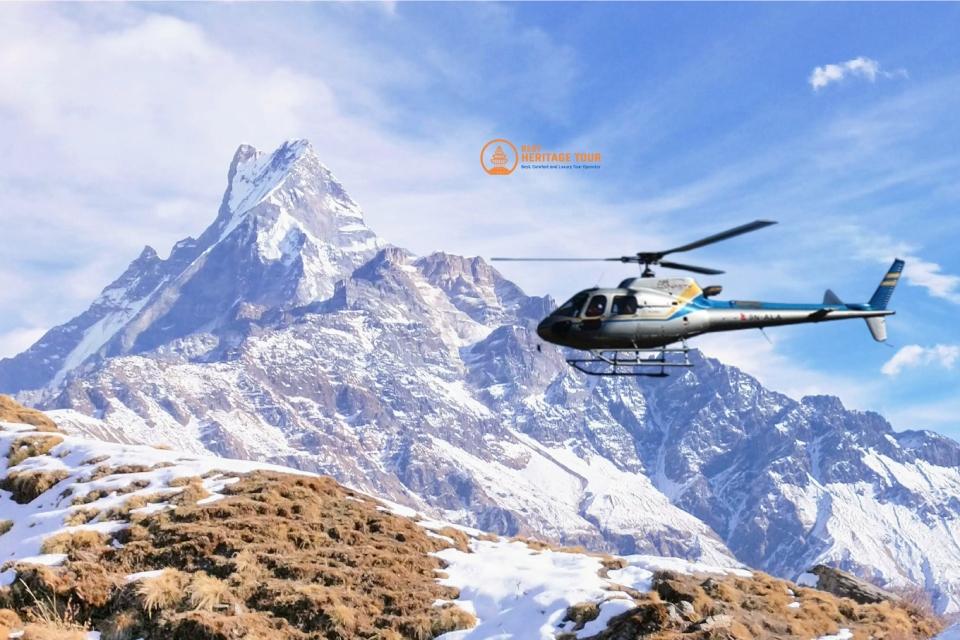
Begin the day with an early morning visit to Sarangkot, where you can watch the sunrise gradually brighten the Annapurna, Dhaulagiri, and Machhapuchhre ranges. The elevated viewpoint also provides sweeping views across Pokhara Valley and the surrounding hills. Clear mornings offer particularly impressive scenery, making this an ideal opportunity for landscape photography and enjoying the peaceful mountain atmosphere.
2. Explore Pokhara’s Natural Wonders
Discover some of Pokhara’s fascinating natural attractions, including the dramatic Devi’s Falls and the nearby Gupteshwor Mahadev Cave. Watch the waterfall plunge into its underground passage and explore the sacred cave’s intriguing interior. These attractions provide an interesting combination of natural formations, underground landscapes, and religious significance while adding variety to the sightseeing experience beyond Pokhara’s famous mountain views.
3. Discover Himalayan History and Culture
At the International Mountain Museum, gain a deeper understanding of Nepal’s relationship with the Himalayas. The exhibits introduce visitors to mountaineering history, legendary expeditions, mountain communities, cultures, and the natural environment of the Himalayan region. This educational stop adds historical and cultural depth to the tour while helping travelers appreciate the people, traditions, and challenges associated with life in the mountains.
4. Enjoy Peaceful Spiritual Landmarks
Visit the World Peace Stupa and Pumdikot Shiva Statue to experience two distinctive spiritual landmarks overlooking the Pokhara landscape. The Peace Stupa offers a tranquil Buddhist setting with panoramic views of Phewa Lake and the mountains, while Pumdikot features an imposing Shiva statue and expansive valley scenery. Both locations provide peaceful surroundings and excellent opportunities for reflection and photography.
5. Relax Around Phewa Lake
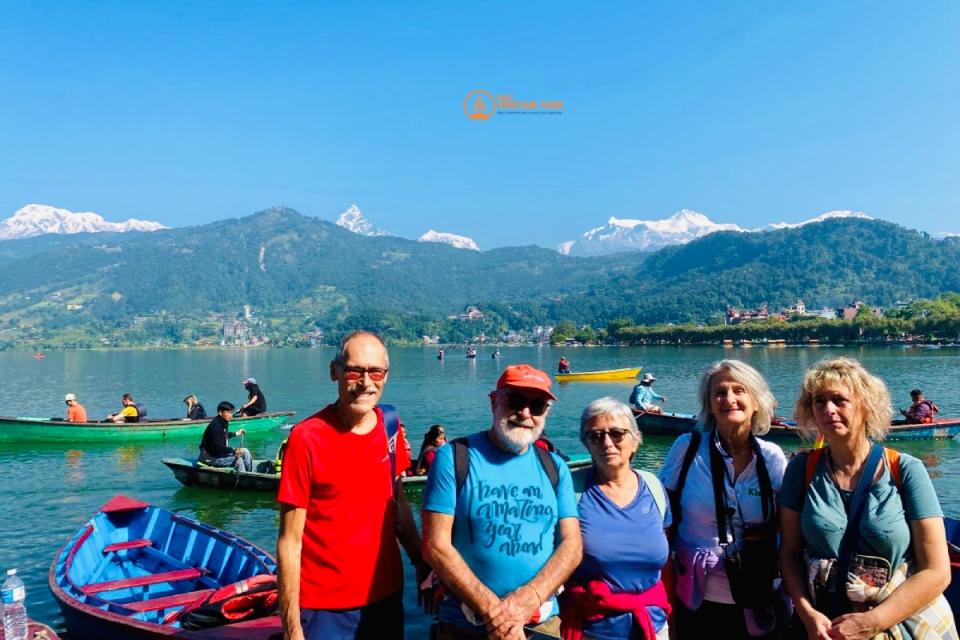
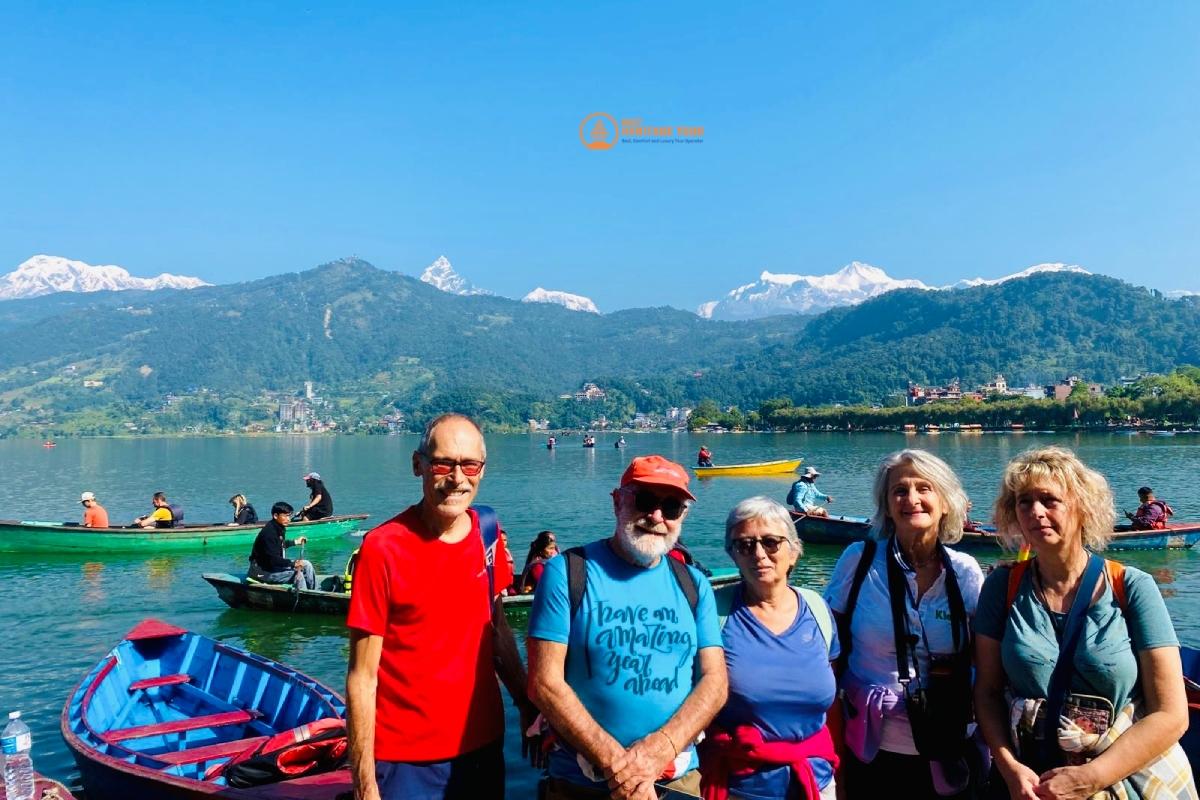
Conclude the sightseeing experience around the beautiful Phewa Lake and vibrant Lakeside area. Travelers can choose an optional boating experience, gliding across the calm water while enjoying reflections of the surrounding hills and views of Tal Barahi Temple. After a full day of exploration, the lakeside atmosphere offers a relaxed setting to unwind and appreciate the natural beauty that makes Pokhara so special.
Are You Ready for the Pokhara City Tour?
A love for Himalayan scenery, cultural discoveries, natural attractions, and peaceful landscapes is all you need to enjoy the Pokhara City Tour. Spectacular sunrise views, fascinating waterfalls, sacred sites, mountain heritage, hilltop viewpoints, and the tranquil waters of Phewa Lake come together to create a diverse full-day sightseeing experience.
Be ready to explore Sarangkot at sunrise, discover Devi’s Falls and Gupteshwor Mahadev Cave, learn about Himalayan history at the International Mountain Museum, and enjoy panoramic views from the World Peace Stupa and Pumdikot. Whether you are interested in photography, culture, nature, spirituality, or relaxed sightseeing, this tour offers an excellent way to experience the highlights of Pokhara in one memorable day.
Itinerary
1Day 1: Pokhara Full-Day City Tour
5:00 AM - Drive to Sarangkot for Sunrise
Your day begins early as we drive toward Sarangkot Viewpoint, one of the most popular sunrise spots in Nepal. Watch the first golden rays illuminate Annapurna, Dhaulagiri, Machhapuchhre (Fishtail), and the rolling hills below. Sarangkot is also known for its peaceful village life and panoramic scenic beauty - perfect for stunning photographs.
Return to Hotel & Breakfast
After enjoying the sunrise, we return to your hotel for a refreshing breakfast. This short break prepares you for an exciting day of sightseeing across Pokhara.
Visit Devi’s Falls
Next, we head to the famous Devi’s Falls, also known as Patale Chhango. This powerful waterfall disappears into an underground tunnel, creating fascinating shapes and deep gorges. It’s a popular spot for travelers who enjoy natural wonders and photography.
Gupteshwor Mahadev Cave (Optional Add-on)
Located just opposite Devi’s Falls, the Gupteshwor Mahadev Cave is an ancient sacred cave dedicated to Lord Shiva. The inner chamber houses a naturally formed Shiva Lingam and a waterfall view from inside the cave.
You can choose to include this attraction depending on your preference.
International Mountain Museum
We then visit the International Mountain Museum, where you’ll learn about the history of mountaineering in Nepal, Himalayan cultures, legendary climbers, and the natural diversity of the region. It’s an informative and engaging stop for travelers of all ages.
Drive to Peace Pagoda (World Peace Stupa)
A scenic uphill drive brings you to the iconic World Peace Stupa, one of Pokhara’s best viewpoints. Surrounded by serenity and fresh mountain air, the stupa offers breathtaking views of Phewa Lake, Pokhara city, and the mighty Himalayas. A peaceful walk around the stupa adds a calming spiritual experience to your journey.
Visit Pumdikot Shiva Statue
Your next stop is the impressive Pumdikot Shiva Statue, a towering masterpiece overlooking Pokhara. This newly popular attraction features a massive statue of Lord Shiva, peaceful gardens, and a panoramic view of the valley and Himalayan peaks. It’s a perfect place for photos and relaxation.
Return to Lakeside & Optional Boating in Phewa Lake
The tour concludes as we return to Lakeside, Pokhara’s vibrant lakeshore area. You may choose to enjoy an optional boating experience on Phewa Lake - a serene ride with reflections of the mountains and the famous Tal Barahi Temple.
Cost Includes / Excludes
Included
- TRANSPORTATION : Air Conditioner private car with professional driver during your full tour.
- GUIDE : One experienced English speaking, government licensed city tour guide.
- STAFF EXPENSES : All expenses of driver including salary, meals, parking charge, etc.
Excluded
- EXTRA EXPENSES : Monuments Entrance fee and Personal expenses (like meals, drinks, tips, etc).
- TAXES & SERVICE CHARGE : All government taxes 13% and service charge 10%.
Trip Info
Useful Information About the Pokhara City Tour
Prepare for a memorable sightseeing, cultural, and scenic experience by understanding the essential details of the Pokhara City Tour. Knowing these practical considerations will help travelers prepare comfortably for the changing weather, sightseeing schedule, cultural sites, and optional experiences included along the route.
All About the Places Visited on this Tour
Our Pokhara City Tour brings travelers to some of the most remarkable natural, cultural, spiritual, and historical attractions in and around Pokhara. From spectacular Himalayan viewpoints and peaceful religious sites to fascinating caves, museums, waterfalls, and lakeside experiences, each stop offers a different perspective on the beauty and heritage of Pokhara.
1. Sarangkot Viewpoint
Sarangkot is a famous hill station in the Pokhara Valley, widely celebrated for its breathtaking natural scenery and rich heritage. Tourists visit the hilltop to witness spectacular sunrises, where morning light paints the nearby mountain ridges in vibrant shades of orange and pink.
Key highlights:
-
Mountain & Valley Vistas: Clear weather offers striking views of Dhaulagiri toward the far west alongside the Annapurna range. Looking south, visitors enjoy aerial perspectives of Pokhara city, Phewa Lake, Tal Barahi Temple, Hemja, the Seti River, World Peace Pagoda, and the lakeside promenade.
-
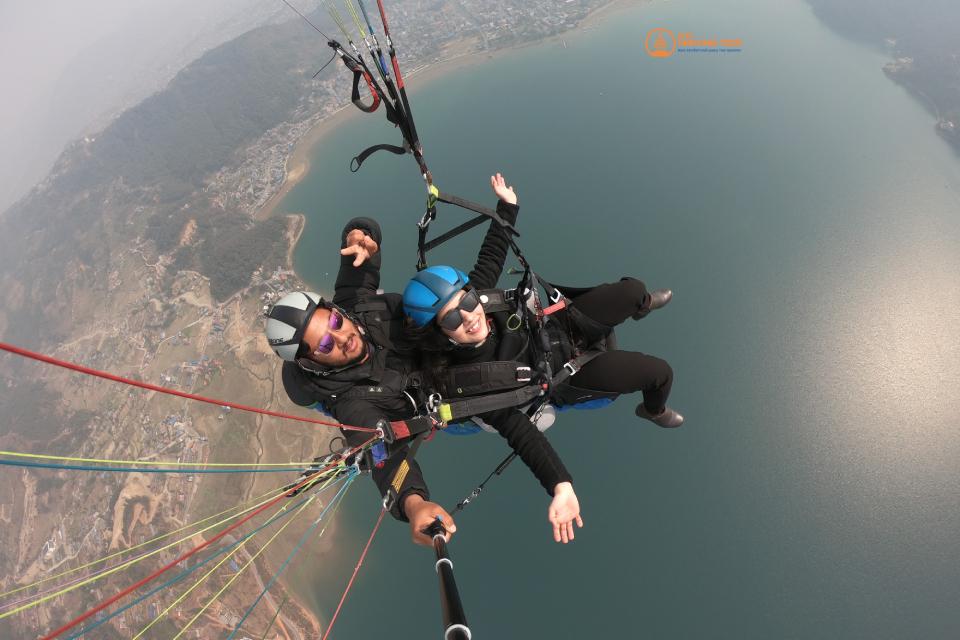
Adventure Sports: Sarangkot serves as a major hub for thrilling activities, including paragliding and the ZipFlyer, recognized as one of the world's longest, fastest, and steepest ziplines.
-
Historical Significance: Beyond its scenic appeal, the hill holds cultural value as the historic seat of King Kulmandan.
2. Devi’s Falls
Devi’s Falls, locally known as Patale Chhango, is one of Pokhara’s most famous natural attractions. Situated roughly 4 kilometers south of Prithvi Chowk in Pokhara, Devi’s Fall is a striking natural landmark known for its thrilling visual appeal and intriguing geological pathway. The waterfall is fed directly by the waters of Phewa Lake, which lies about 2 kilometers north of the site.
What makes this waterfall particularly unique is how the water behaves: it plunges down a drop of approximately 100 meters into a series of deep rocky crevasses and disappears underground. This subterranean stream travels beneath the terrain for about 1 kilometer before resurfacing south at the Fusre Khola.
The Story Behind the Name: Devi's Fall
While Devi’s Fall stands as a masterpiece of natural beauty, it carries a tragic background.
In 1961 AD, a couple from Switzerland was bathing in the waters near the cascade when a sudden surge of floodwater swept them away. Tragically, the woman, Mrs. Davi, lost her life in the violent currents. To honor her memory and commemorate the solemn event, the waterfall was named "Davi's Fall" (commonly referred to as Devi's Fall). Today, it serves as a powerful reminder of how nature's breathtaking beauty can be intertwined with deep historical sorrow.
3. Gupteshwor Mahadev Cave
Situated in the Chhorepatan area of Pokhara, Gupteshwor Cave stands out as one of the most prominent and extensive cavern systems in South Asia. It derives its title from the shrine dedicated to Lord Gupteshwor Mahadev, which rests inside its underground chamber.
Key Characteristics:
-
Religious Significance: The site is named after the sacred shrine of Gupteshwor Mahadev housed deep within the rock formation.
-
Natural Feature: Visitors can observe a hidden underground waterfall flowing through the subterranean passages.
-
Proximity to Landmarks: The entrance lies roughly 100 meters southwest of Davi's Fall.
4. International Mountain Museum
Located in the Ratopairo area of Pokhara, the International Mountain Museum (IMM) is a dedicated facility celebrating the global legacy of high-altitude exploration and alpine life. Initiated by the Nepal Mountaineering Association (NMA), the museum’s foundation stone was set in December 1995, leading up to its official inauguration in February 2004. It was established to archive, preserve, and showcase the history, culture, and environmental geography of the Himalayan region and mountain ranges worldwide.
Things to Look Inside the Museum
-
Expedition & Peak Records: Comprehensive photographic exhibits detailing humanity's historic ascents of all 14 global peaks exceeding 8,000 meters, eight of which reside in Nepal.
-
Vintage Climbing Gear: Displays of historical equipment used by early mountaineers, including specialized apparel, boots, ropes, and traditional climbing tools.
-
Cultural & Regional Exhibits: Authentic artifacts, household utensils, and galleries highlighting the daily customs, heritage, and native wildlife of Nepal's high-altitude inhabitants.
-
Hall of Contributors: Dedicated tributes recognizing pioneer figures like Dr. Harka Gurung, Dr. Toni Hagen, Kumar Khadga Bikram Shah, and Kawaguchi Ekai for their roles in high-mountain research and regional development.
-
Outdoor Interactive Features: Grounds featuring a 31-foot scaled replica of Mt. Manaslu, an artificial climbing wall, and a living museum representing traditional village architecture.
5. World Peace Stupa
Perched atop Anadu Hill at an altitude of roughly 1,100 meters, the monument sits south of Fewa Lake and is clearly visible from the shoreline. The site serves as a prime lookout point offering sweeping vistas of the Pokhara valley, the lake, and the surrounding mountain ranges to the north. Annual prayer ceremonies are held at the stupa to promote global harmony.
Access Routes:
-
On Foot: Visitors can cross Fewa Lake by boat and undertake a 30-minute hike up the hill.
-
By Road: Alternatively, a motorable route extends about 9 km via the Prithvi Highway through Chhorepatan.
6. Pumdikot Shiva Statue
Pumdikot is a scenic hilltop attraction famous for its enormous statue of Lord Shiva overlooking Pokhara Valley. The site combines religious significance with breathtaking mountain and valley views, creating a peaceful setting for sightseeing and photography. Visitors can also enjoy views across the surrounding landscape toward Phewa Lake and the Himalayan peaks.
Key attractions:
-
Impressive large statue of Lord Shiva
-
Panoramic views of Pokhara Valley
-
Peaceful gardens and surrounding landscape
7. Phewa Lake
Situated roughly 5 kilometers from Prithivi Chowk, Phewa Lake serves as Pokhara's main tourist destination and holds the status of Nepal's second-largest lake, surpassed only by Rara Lake in the west. Taking a boat ride across its waters is a must-do experience for travelers, with the picturesque scenery offering an exceptional setting for photography. Under clear and tranquil conditions - which are most reliable throughout the autumn and winter seasons - the lake's surface reflects a breathtaking view of Mt. Machhapuchhre.
Phewa Lake is the iconic centerpiece of Pokhara and one of Nepal’s most scenic freshwater lakes. Surrounded by green hills and backed by spectacular Himalayan scenery, the lake creates a peaceful setting in the heart of the city. Visitors can enjoy optional boating across its calm waters while taking in views of the mountains and the Tal Barahi Temple situated on a small island in the lake.
Key attractions:
-
Scenic freshwater lake surrounded by green hills
-
Boating experience
-
Views of Annapurna and Machhapuchhre
-
Tal Barahi Temple on a small lake island
What Type of Transportation is Provided for the Pokhara City Tour?
Best Heritage Tour provides private vehicle transportation with a professional driver for the Pokhara City Tour. The vehicle is arranged for the day’s sightseeing, including the early morning drive to Sarangkot, transfers between the major attractions, and the return to Lakeside Pokhara.
Traveling by private vehicle provides a comfortable and convenient way to explore Pokhara’s attractions without depending on shared transportation or fixed public schedules. After completing the sightseeing, the vehicle returns guests to the Lakeside area, where the tour concludes.
What is the Total Distance Covered on the Pokhara City Tour?
The Pokhara City Tour covers approximately 45-55 km of total driving distance throughout the day, depending on the exact hotel location, road conditions, and sightseeing route. The tour includes the early morning drive from Lakeside toward Sarangkot, followed by transfers to Devi’s Falls, Gupteshwor Mahadev Cave, the International Mountain Museum, World Peace Stupa, Pumdikot, and back to Lakeside.
How Long is the Drive from Lakeside Pokhara to Sarangkot?
Lakeside to Sarangkot: Approx. 12-15 km | around 30-45 minutes
Best Heritage Tour provides an early morning private vehicle transfer from your hotel in Lakeside Pokhara to Sarangkot Viewpoint. The drive generally takes around 30-45 minutes, depending on traffic, road conditions, and the exact location of your hotel.
How Long Does the Pokhara City Sightseeing Route Take?
Pokhara City Sightseeing: Approx. 30-40 km of additional driving | around 6-8 hours of sightseeing
After breakfast, the tour continues toward Devi’s Falls, Gupteshwor Mahadev Cave, the International Mountain Museum, World Peace Stupa, and Pumdikot Shiva Statue before returning to Lakeside. The driving time between attractions is generally short, allowing sufficient time for sightseeing, photography, and exploring each destination.
The complete city tour generally takes around 8-10 hours, including the early morning Sarangkot visit, breakfast break, sightseeing stops, and return to Lakeside. The actual duration may vary depending on traffic, time spent at each attraction, and optional activities such as boating on Phewa Lake.
What is the Maximum Altitude Reached on the Pokhara City Tour?
The highest point reached during the Pokhara City Tour is Sarangkot Viewpoint, at approximately 1,600 meters (5,250 feet) above sea level. Located on a scenic hilltop north of Pokhara, Sarangkot is the first major destination of the day and is especially popular for its spectacular sunrise views over the Annapurna, Dhaulagiri, and Machhapuchhre mountain ranges.
Is Food Included in the Pokhara City Tour?
No, meals are not included in the Pokhara City Tour package. However, the itinerary includes a breakfast stop after the early morning visit to Sarangkot, allowing travelers to return to their hotel and enjoy breakfast before continuing with the day’s sightseeing.
Travelers can also purchase lunch, snacks, and beverages at suitable restaurants or local eateries during the tour. Since Pokhara offers a wide variety of dining options, guests can choose meals according to their dietary preferences and personal budget.
When is the Best Time for the Pokhara City Tour?
The Pokhara City Tour can be enjoyed throughout the year, as the itinerary combines scenic viewpoints, cultural landmarks, museums, waterfalls, caves, and lakeside attractions rather than requiring a long trek. However, each season brings a different atmosphere and sightseeing experience. At Best Heritage Tour, we can arrange the tour in every season, while the ideal period depends on whether travelers prioritize clear Himalayan views, pleasant temperatures, lush scenery, or quieter surroundings.
Spring (March to May)
Spring is one of the most pleasant periods for exploring Pokhara. The weather is generally warm and comfortable, while the surrounding hills become greener and colorful flowers add beauty to the landscape. Clear mornings can provide excellent views from Sarangkot, World Peace Stupa, and Pumdikot.
Best for: Comfortable sightseeing, photography, greenery, and Himalayan panoramas.
Summer/Monsoon (June to August)
The summer and monsoon months bring warmer temperatures and frequent rainfall to Pokhara. The countryside becomes exceptionally green, and waterfalls such as Devi’s Falls can appear more powerful after rainfall. Mountain visibility can be limited by clouds, particularly around Sarangkot and other viewpoints, but the city’s cultural attractions and museums remain enjoyable.
Best for: Lush landscapes, dramatic waterfalls, fewer tourists, and travelers comfortable with occasional rain.
Autumn (September to November)
Autumn is widely considered one of the best seasons for a Pokhara City Tour. Following the monsoon, the air is often fresh and the skies are clearer, creating excellent conditions for viewing the Annapurna range, Machhapuchhre, Phewa Lake, and Pokhara Valley. Pleasant daytime temperatures also make it comfortable to explore the city’s outdoor attractions.
Best for: Clear mountain views, sunrise photography, comfortable sightseeing, and scenic exploration.
Winter (December to February)
Winter brings cooler mornings and evenings, while daytime conditions are generally suitable for sightseeing. The crisp atmosphere can offer impressive mountain visibility, particularly during clear mornings at Sarangkot and other elevated viewpoints. Travelers should carry warm clothing for the early morning visit to Sarangkot.
Best for: Crisp Himalayan views, peaceful sightseeing, photography, and cooler weather.
Overall: While the Pokhara City Tour operates year-round, spring and autumn are particularly favorable for travelers seeking comfortable weather and better chances of clear Himalayan views. Summer and winter also offer rewarding experiences, with each season providing its own distinctive character.
Photography and Cultural Etiquette for the Pokhara City Tour
The Pokhara City Tour provides plenty of opportunities for memorable photographs, from the sunrise and Himalayan panorama at Sarangkot to the waterfalls, caves, museums, peaceful Buddhist monuments, and scenic views around Phewa Lake. Since the itinerary also includes several Hindu and Buddhist sites, travelers are encouraged to enjoy photography while remaining mindful of local traditions, religious practices, and community spaces.
-
Request permission before photographing people
-
Observe photography rules at religious sites
-
Be considerate during worship
-
Dress appropriately
-
Do not touch religious objects
-
Respect museum displays
-
Be mindful around Phewa Lake
Is a Guide Needed for the Pokhara City Tour?
A guide is not strictly required for visiting Pokhara’s major attractions, but having an experienced local guide can make the sightseeing experience more informative, organized, and rewarding. The Pokhara City Tour combines natural landmarks, Himalayan viewpoints, Hindu and Buddhist sites, museums, and local cultural attractions, each with its own history and significance.
For this tour, Best Heritage Tour can provide an experienced local guide who helps travelers understand the cultural and historical background of the places visited while keeping the sightseeing schedule well organized. A guide can also provide practical assistance throughout the day and help travelers make the most of their time in Pokhara.
How Much Does the Pokhara City Tour Cost?
The cost of the Pokhara City Tour for 2026 and 2027 varies according to the number of travelers and the services arranged for the trip. Best Heritage Tour can organize this private sightseeing experience for solo travelers, couples, families, friends, and larger groups, with private transportation and professional guide services available for a convenient day of exploration.
For an accurate quotation, the package can be tailored according to your group size, preferred travel date, and selected services.
Group Size-Based Price - Pokhara City Tour (2026 & 2027)
|
Group Size |
Price per Person (USD) |
|---|---|
|
1 Pax |
USD 90 |
|
2-4 Pax |
USD 45 |
|
5-6 Pax |
USD 40 |
|
7-10 Pax |
USD 35 |
|
11-16 Pax |
USD 30 |
|
17-29 Pax |
USD 25 |
Note:
-
13% Nepal Government Tax and 10% service charge are not included in the above prices.
-
Boating fee and Entrance attraction fees are not included in the above prices.
Best Heritage Tour can provide a customized quotation for the Pokhara City Tour based on your group size, preferred travel date, transportation requirements, and optional activities you wish to include.
Booking & Payment for the Pokhara City Tour
Booking your Pokhara City Tour with Best Heritage Tour is simple, secure, and well-organized. To confirm your trip, a 20% deposit of the total trip cost is required at the time of booking, while the remaining balance must be settled before the tour departure in Kathmandu or Pokhara. We accept cash, bank transfer, or card. Please note that bank transfers and card payments incur a 4% processing fee; must be covered by the travelers. All booking and cancellation terms are clearly explained by Best Heritage Tour staff during the booking process and can also be reviewed on our website.
Bank transfer:
-
Account Name: Best Heritage Tour And Treks Pvt. Ltd.
-
Account Number: 13201040254106
-
Bank Name: Nepal Investment Mega Bank Ltd.
-
Address: Thamel, Kathmandu, Nepal
-
SWIFT Code: NIBLNPKT
-
Bank Transfer Link: www.bestheritagetour.com/payment
Once we receive the deposit, we will issue the official invoice and booking conformation right away. If you need any clarification, we are happy to answer your questions or provide additional details you may require.