What Happens If It Rains During a Nepal Trek?
Trekking through the majestic Himalayas of Nepal is a bucket-list adventure for travelers across the globe. From the iconic Everest Base Camp trail to the lush, terraced hills of the Annapurna Circuit, Nepal offers some of the most breathtaking alpine landscapes on Earth. However, mountain weather is notoriously unpredictable. Even outside the peak monsoon season (June to August), unexpected downpours, afternoon showers, and sudden weather shifts are common occurrences across various elevation zones.
If you are planning a Himalayan journey, you might naturally ask: What happens if it rains during a Nepal trek? Is it safe, and how do you prepare for wet weather on the trail?
At Best Heritage Tour, we have guided thousands of global trekkers across every region of Nepal. We believe that rain does not have to ruin your Himalayan experience. With the right mindset, proper rain gear, and experienced mountain guides, trekking in the rain unveils a side of Nepal that few get to see - vibrant green valleys, roaring waterfalls, misty pine forests, and quiet, peaceful trails.
This ultimate guide breaks down everything that happens when rain strikes the trail, key safety protocols, complete preparation strategies, and how to stay comfortable from teahouse to summit.
What Really Happens When It Rains on a Himalayan Trek?
Rain in high-altitude environments affects trails, logistics, flora, and overall trekking dynamics. Here is what actually occurs on the ground when the skies open up:
1. Trails Become Muddy and Slippery
In lower and mid-altitude trekking regions (between 1,000 meters and 3,000 meters), heavy rainfall turns dirt tracks into muddy, slick pathways. Stone staircases - such as the famous 3,300 stone steps leading up to Ulleri on the Ghorepani Poon Hill route - can become slippery.
2. Increased Risk of Landslides and Falling Rocks
Nepal’s steep topography means continuous rainfall softens hillside soil. Regions prone to landslips, such as parts of the Manaslu Circuit or lower Langtang Valley, experience an elevated risk of small rockfalls and debris shifts. Professional guides constantly evaluate slope stability and adjust daily walking schedules accordingly.
3. Swollen Mountain Rivers and Stream Crossings
Small wooden bridges or stone stepping paths across mountain streams (khola) can rapidly rise during sudden rainfall. Crossing unbridged streams requires caution, strong footing, and precise timing.
4. Cloud Cover and Obscured Mountain Views
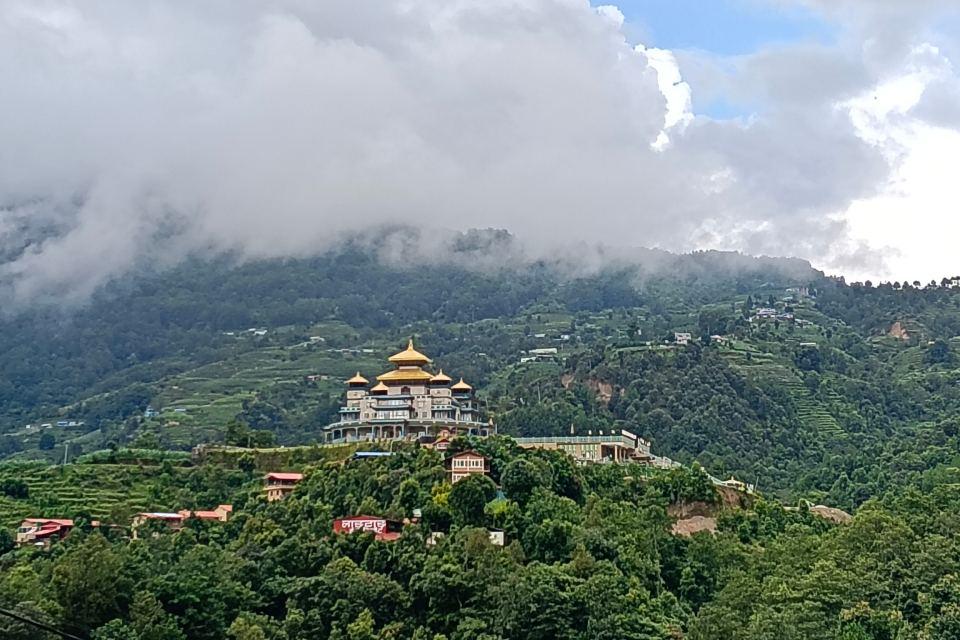
When heavy rain sets in, dense cloud blankets often obscure iconic Himalayan panoramas. However, rain showers are rarely continuous. In Nepal, early morning skies often clear up after late afternoon or nighttime rain, revealing pristine mountain views and crisp, dust-free alpine air.
5. Lower Altitudes Bring Leeches (Monsoon Specific)
If you trek during the summer monsoon months (July and August) in damp, forested zones below 2,500 meters, leeches (juka) become active. While completely harmless, they can be an annoyance without proper gear like anti-leech socks.
6. Transport Delays and Flight Rescheduling
Mountain flights into rural airstrips like Lukla (Everest Region) or Jomsom (Mustang Region) rely on visual flight rules (VFR). Rainy conditions and low cloud ceilings frequently cause flight delays or cancellations, making flexible itineraries essential.
Is It Safe to Trek in the Rain in Nepal?
Yes, trekking in the rain is safe - provided you are properly equipped, well-prepared, and led by a licensed mountain guide.
Thousands of adventurers hike through wet weather conditions every year. Safety hazards during rainfall do not stem from the rain itself, but from inadequate preparation, poor clothing choices, and unsupervised navigation.
At Best Heritage Tour, safety is our primary operational standard. Our mountain leaders carry satellite communication devices, monitor real-time weather updates from the Department of Hydrology and Meteorology, and alter routes immediately if trail conditions deteriorate.
Essential Gear: How to Pack for Rain on a Nepal Trek
Staying dry is the secret to staying warm and energized. When water penetrates your inner clothing layers at cold high altitudes, your body temperature drops rapidly, increasing the risk of hypothermia.
Here is the ultimate packing checklist designed by our experienced trekking crew:
|
Category |
Essential Gear Item |
Why It Is Crucial |
|---|---|---|
|
Outerwear |
Hard Shell Waterproof Jacket |
Minimum 15,000mm hydrostatic head rating (Gore-Tex or similar) with sealed seams and pit zips. |
|
Lower Protection |
Waterproof Rain Pants |
Full-length side zippers allow you to slip them over boots quickly during sudden downpours. |
|
Alternative Layer |
Heavy-Duty Rain Poncho |
Covers both your body and your daypack; quick to deploy on forested trails. |
|
Footwear |
Waterproof Boots (Gore-Tex) |
High-cut ankle support with deep rubber lug treads for traction on muddy, slick trails. |
|
Footwear |
Waterproof Gaiters |
Prevents mud, water, and debris from seeping into the top of your boots. |
|
Pack Protection |
Backpack Cover & Dry Bags |
Internal dry bags or heavy-duty liners guarantee spare clothes stay bone-dry inside your pack. |
|
Trail Support |
Adjustable Trekking Poles |
Crucial for balance, testing mud depth, and reducing knee strain on slippery descents. |
The Golden Rule: Avoid Cotton At All Costs
Cotton retains water, takes hours to dry, and drains body heat. Always pack moisture-wicking synthetic (polyester, nylon) or natural merino wool base layers that retain thermal warmth even when damp.
Practical Field Tips: How to Handle Rain on the Trail
When rain starts falling mid-trek, executing immediate, proactive measures keeps you comfortable and safe.
1. Waterproof Your Gear BEFORE It Starts Raining
Do not wait for a heavy downpour to open your bag. Line the inside of your backpack with a large waterproof dry bag or heavy-duty liner every morning before leaving your teahouse. Place critical items - passport, permit cards, camera gear, down jacket, and spare socks - inside individual zip-lock or roll-top dry bags.
2. Put On Your Rain Shell Early
At the first sight of drizzle, put on your waterproof jacket and pull out your pack cover. Waiting until your base layer is soaked means you will remain cold and damp for the rest of the day, even under a hard shell.
3. Use Trekking Poles for Stability
Slippery mud and wet granite rocks require three points of contact. Trekking poles dramatically improve balance, absorb impact on steep descents, and allow you to test trail stability before placing full body weight on questionable terrain.
4. Manage Internal Body Temperature
Trekking uphill in waterproof outerwear creates internal heat and sweat. If you feel overheated, open the pit zips of your jacket or loosen your cuff straps rather than stripping off your protective rain layer entirely.
5. Protect Your Feet and Prevent Blisters
Wet socks create skin friction, leading to painful blisters. Change into dry merino wool socks during lunch breaks if your feet feel damp. Keep a small bottle of anti-blister balm or zinc oxide tape in your daypack for quick application.
6. Deal with Leeches Calmly (If Trekking in Monsoon)
Leeches attached to boots or pants should not cause panic. Carry a small pouch of salt, hand sanitizer, or insect repellent containing DEET. Sprinkling salt causes leeches to drop off instantly without forcing them to disgorge into the skin.
What Happens When You Arrive at the Teahouse After a Rainy Day?
Teahouses along Nepal's trekking routes serve as warm sanctuaries at the end of a wet trekking day. Here is the standard teahouse routine following a rainy trek:
-
Remove Wet Gear at the Entrance: Leave muddy boots, wet gaiters, and dripping rain covers in the designated teahouse entryway or mudroom.
-
Change into Dry Thermal Clothes Immediately: Head to your private room, strip off damp trekking clothes, and change into clean, dry thermals and warm camp fleece.
-
Hang Wet Clothing in Common Areas: Most mountain teahouses feature a central dining room heated by a central wood or yak-dung stove. Hang damp jackets and pants near the stove area to dry overnight.
-
Hydrate with Warm Himalayan Drinks: Rehydrate with hot ginger lemon honey tea, hot lemon water, or traditional garlic soup (known by locals to help with altitude adaptation and warm the core).
-
Dry Boots Safely: Never place leather trekking boots directly against hot stoves, as extreme heat shrinks and cracks real leather. Fill wet boots with crumpled dry newspaper to absorb moisture overnight.
Why Trekking with Best Heritage Tour Makes All the Difference
Navigating changing mountain weather requires local knowledge, precise safety protocols, and seamless logistics. At Best Heritage Tour, we turn potential weather challenges into smooth, unforgettable Himalayan adventures.
Our Comprehensive Rain & Weather Safety Guarantee:
-
Government-Licensed, English-Speaking Guides: Our mountain leaders possess decades of collective experience across all Nepal trekking regions. They know every alternative trail, safe shelter point, and stream crossing.
-
Real-Time Weather Monitoring: We constantly track satellite weather updates to plan daily trekking departures around rain windows.
-
Flexible Itineraries & Contingency Planning: If heavy rain or landslides temporarily affect a trail, our team instantly handles rerouting, tea house bookings, and emergency transport without hassle.
-
Full Logistics & Permit Management: We handle all required TIMS cards, National Park permits, Restricted Area permits, and domestic flight coordination.
Conclusion
Rain is a natural part of the dynamic Himalayan ecosystem. It feeds crystal-clear mountain rivers, fuels roaring waterfalls, washes away valley dust, and leaves behind lush green landscapes under fresh mountain air.
With proper preparation, high-quality rain gear, and a trusted travel partner like Best Heritage Tour, rain becomes just another exciting chapter of your Himalayan story.
Plan Your Dream Nepal Trek with Best Heritage Tour
Ready to explore the majesty of the Himalayas with total peace of mind? Whether you are looking for classic trekking routes, monsoon rain-shadow journeys, or customized cultural heritage tours, our expert travel consultants are here to guide you every step of the way.
Phone / WhatsApp / Viber: +977-9851149197 / +977-9810043046
Email: [email protected] / [email protected]
Website: www.bestheritagetour.com
Office: Thamel Marg, Kathmandu, Nepal