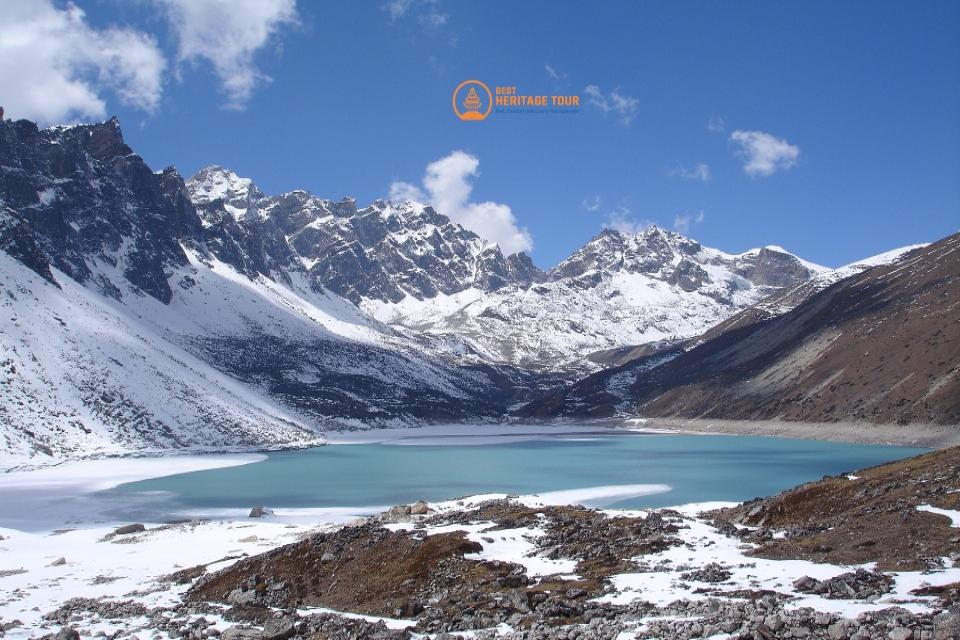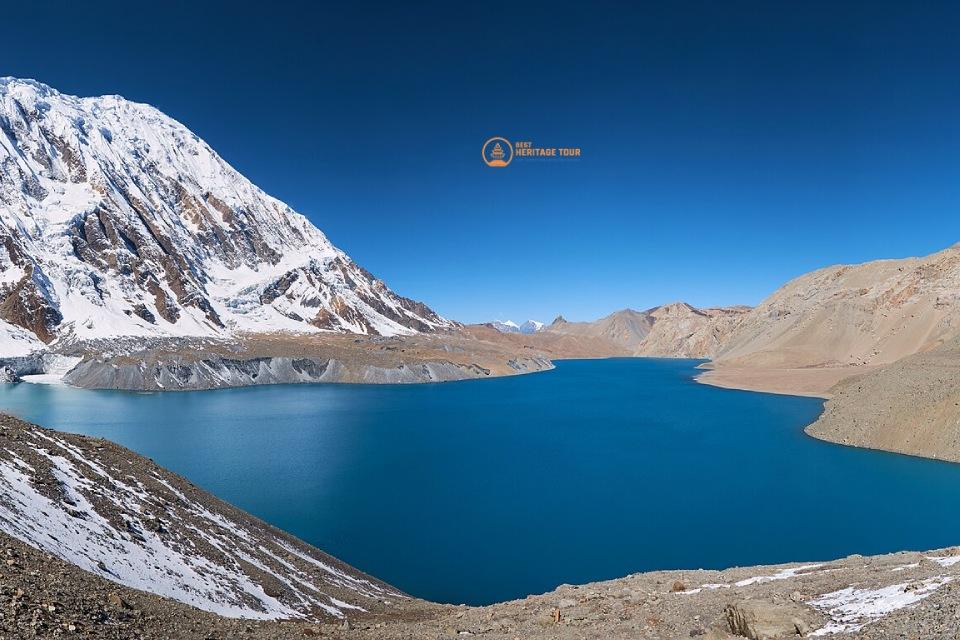
Mardi Himal Trek in Summer (Monsoon)
The Mardi Himal Trek in Summer 2027 offers a very different experience from the popular spring and autumn trekking seasons. While June, July, August, and early September bring Nepal’s monsoon rains, the Mardi Himal trail remains an option for trekkers who are prepared for wet weather, muddy paths, clouds, leeches, and changing mountain conditions.
For travelers looking for a quieter Himalayan adventure, Mardi Himal Trek in Monsoon 2027 can be rewarding. The lower hills become exceptionally green, forests are lush, waterfalls are active, and the normally busy trekking route becomes considerably quieter. However, monsoon trekking requires more preparation and flexibility than trekking during the dry seasons.
At Best Heritage Tour, we recommend understanding the seasonal conditions carefully before deciding whether a monsoon Mardi Himal Trek is suitable for you. This guide explains what to expect, how difficult the trek can become, what weather conditions are likely, what equipment to bring, and how to prepare for a safe and enjoyable journey.
Can You Do the Mardi Himal Trek in Summer 2027?
Yes, it is possible to do the Mardi Himal Trek during summer and monsoon 2027, but it is important to understand that this is not the ideal season for stable weather and clear Himalayan views.
Nepal's monsoon season generally extends from June through September, and around 80% of the country's annual rainfall occurs during the monsoon period.
Mardi Himal lies in the Annapurna region, where the monsoon can bring frequent rainfall to the trekking trail. Conditions can change quickly, particularly around the forested sections and higher ridges.
For trekkers who prioritize crystal-clear mountain panoramas, October-November and March-April are generally more favorable. For travelers who value fewer crowds, lush landscapes, solitude, and an off-season trekking experience, however, summer can offer a unique alternative.
The important point is that Mardi Himal Trek in Monsoon 2027 should be approached as an adventure with variable conditions rather than a conventional sightseeing trek.
What Is the Mardi Himal Trek Like During the Monsoon?
The Mardi Himal route passes through several different landscapes, and monsoon weather affects each section differently.
The trek generally begins from the Pokhara area and climbs through green hills and forests before reaching the higher alpine ridge. The route ultimately reaches the upper viewpoint and Mardi Himal Base Camp area at approximately 4,500 meters, depending on the itinerary and exact stopping point. During summer, trekkers can expect:
-
Frequent rain at lower and middle elevations
-
Wet and muddy forest trails
-
Slippery stone steps
-
Lush vegetation and green hills
-
Active waterfalls and streams
-
Leeches in damp forest areas
-
Cloudy mountain viewpoints
-
Reduced visibility during rainy periods
-
Fewer trekkers on the route
-
Occasional changes to the itinerary because of weather and trail conditions
The higher elevations can sometimes experience different weather from the lower trail. Therefore, a rainy morning in the lower hills does not necessarily mean the entire trek will remain rainy throughout the day.
Flexibility is particularly important during Mardi Himal Trek in Summer 2027.
Is It Possible to Do Mardi Himal Trek During the Monsoon Season in Nepal?
This is one of the most common questions from off-season trekkers.
Yes, Mardi Himal Trek can be completed during the monsoon season in Nepal, provided trail and weather conditions are suitable and the trek is planned with appropriate precautions.
However, the word "possible" should not be confused with "ideal."
Monsoon trekking requires accepting that you may not receive the same mountain visibility available during the autumn season. Clouds can cover Machhapuchhre, Mardi Himal, Annapurna South, and surrounding peaks for significant portions of the day.
At the same time, monsoon creates a completely different visual character. The hills become intensely green, forests feel fresh, and streams and waterfalls are often more impressive than during the dry season.
For experienced trekkers and adventurous travelers, this can be part of the attraction.
At Best Heritage Tour, we recommend maintaining a flexible approach and allowing our trekking team to adjust daily plans when weather or trail conditions make a particular section unsuitable.
How Difficult Is the Mardi Himal Trek During the Monsoon Months?
The standard Mardi Himal Trek is generally considered a moderate trek, but monsoon conditions can make the route considerably more demanding.
The trek does not require technical mountaineering skills, but trekkers should be prepared for steep ascents, extended walking days, uneven terrain, and altitude.
The route reaches approximately 4,500 meters at the Mardi Himal Base Camp area, while High Camp is considerably lower. The combination of altitude gain and steep terrain is one of the main physical challenges of the trek.
During monsoon, additional difficulties include:
1. Slippery Trails
Rain can make stone steps, roots, rocks, and muddy paths slippery. Descending can be particularly challenging because wet surfaces reduce stability.
Good trekking shoes with strong grip are therefore essential.
2. Muddy Sections
Lower forest sections can become muddy after prolonged rainfall. Trekkers may need to slow their pace and carefully select each step.
3. Leeches
Leeches are one of the more unusual challenges associated with trekking in Nepal during the monsoon. They are particularly common in moist forest environments.
Long trekking trousers, appropriate socks, and leech protection can make the experience much more comfortable.
4. Reduced Visibility
Clouds can develop quickly around the ridges. Even when the morning begins with reasonable visibility, weather can change within a few hours.
5. Steep Terrain
The Mardi Himal Trek includes sustained uphill sections, particularly as the trail moves toward the higher camps. Monsoon conditions can make these climbs feel harder than they would on a dry trail.
6. Altitude
Altitude remains a consideration regardless of season.
As the trek approaches 3,500 meters and above, trekkers should pay attention to symptoms such as headache, dizziness, unusual fatigue, nausea, or loss of appetite.
The right approach is gradual pacing, adequate hydration, appropriate acclimatization, and communicating any symptoms to the trekking guide.
Mardi Himal Trek in June 2027
June generally marks the transition into Nepal's monsoon period.
Early June can sometimes provide better trekking conditions than the later monsoon months, although weather varies from year to year.
Rainfall gradually becomes more frequent, and trekkers should be prepared for wet trail conditions.
For those considering Mardi Himal Trek in June 2027, the first priority should be flexibility. Morning departures can be particularly useful because weather conditions can deteriorate later in the day.
Mardi Himal Trek in July 2027
July is normally one of the wetter periods of Nepal's monsoon season.
Trekkers should expect:
-
Frequent rainfall
-
Muddy trails
-
Slippery steps
-
Dense vegetation
-
Leeches
-
Cloud-covered mountains
-
Possible changes in transportation or trekking plans
July can still be attractive for travelers who specifically want a green and quiet Himalayan experience.
However, it is particularly important to monitor weather and trail conditions before and throughout the trek.
Mardi Himal Trek in August 2027
August remains firmly within the monsoon season.
Conditions can be similar to July, although weather patterns vary from one year to another. Heavy rainfall may affect road travel around the Pokhara region and can also influence trail conditions.
For Mardi Himal Trek in August 2027, we recommend allowing additional flexibility in the itinerary rather than planning a schedule with no spare time.
This is especially important if travelers have fixed international flight schedules immediately after the trek.
Mardi Himal Trek in September 2027
September is a transitional month.
The early part of September can still experience monsoon conditions, while the latter part may gradually become drier as autumn approaches.
This makes September an interesting option for trekkers seeking a balance between off-season travel and improving conditions.
However, travelers should not assume that the entire month will automatically have clear skies. Weather patterns can vary, and flexibility remains important.
What Should You Pack for Mardi Himal Trek During Monsoon?
Packing correctly is particularly important for Mardi Himal Trek in Monsoon 2027.
We recommend including the following:
Clothing
-
Quick-drying trekking shirts
-
Lightweight trekking trousers
-
Waterproof or water-resistant outer shell
-
Warm fleece or mid-layer
-
Warm jacket for higher elevations
-
Moisture-wicking base layers
-
Extra socks
-
Warm hat and gloves
-
Sun hat
Rain Protection
A quality waterproof jacket is essential.
A backpack rain cover is equally important because even a short period of heavy rain can soak clothing, sleeping equipment, electronics, and documents.
Dry bags or waterproof packing bags are highly recommended for keeping important belongings protected.
Footwear
Choose trekking footwear with good grip and adequate ankle support.
Because the trail can become muddy and slippery, worn-out shoes with poor traction can significantly increase the difficulty of the trek.
An extra pair of lightweight sandals can also be useful for evenings at the teahouse.
Other Essential Items
We recommend carrying:
-
Trekking poles
-
Headlamp
-
Water bottle or hydration system
-
Water purification tablets or a suitable filtration method
-
Sunglasses
-
Sunscreen
-
Personal first-aid supplies
-
Basic medication
-
Insect repellent
-
Small towel
-
Power bank
-
Waterproof phone protection
-
Personal toiletries
A lightweight backpack is preferable, particularly because walking with a heavy wet pack can make steep sections more tiring.
Is Mardi Himal Trek Suitable for First-Time Trekkers in Monsoon?
The Mardi Himal Trek can be suitable for reasonably fit first-time trekkers, but monsoon adds an extra layer of difficulty.
A beginner should be comfortable walking for several hours per day and handling steep uphill and downhill sections.
Previous trekking experience is helpful but not mandatory. Physical preparation is more important than technical climbing experience.
We recommend preparing several weeks before departure with:
-
Regular walking
-
Stair climbing
-
Uphill hiking
-
Cardiovascular exercise
-
Leg-strengthening exercises
-
Practice walking with a daypack
Trekkers should also understand that weather may prevent them from getting the mountain views shown in photographs.
The experience should therefore be judged by more than clear skies and panoramic views.
Mardi Himal Trek During Monsoon vs. Peak Season
|
Feature |
Monsoon: June-September |
Peak Season: Spring/Autumn |
|---|---|---|
|
Trail traffic |
Low |
Moderate to high |
|
Rain |
Frequent |
Generally lower |
|
Mountain visibility |
Often limited |
Usually better |
|
Landscape |
Extremely green |
Green/dry depending on season |
|
Trail condition |
Muddy/slippery |
Generally drier |
|
Leeches |
Possible |
Much less common |
|
Waterfalls |
Active |
Less powerful |
|
Solitude |
Excellent |
Lower |
|
Weather stability |
Variable |
Generally more stable |
|
Best for |
Off-season adventurers |
First-time/high-view trekkers |
This comparison highlights an important point: there is no single best season for every traveler.
If clear Himalayan views are your highest priority, peak seasons are generally preferable. If solitude, greenery, and off-season adventure matter more, the monsoon can be an interesting choice.
Conclusion
Should You Do Mardi Himal Trek in Monsoon 2027?
The Mardi Himal Trek in Summer 2027 is not the conventional choice, but that does not mean it should automatically be ruled out.
For trekkers who want dry trails, reliable mountain views, and stable weather, spring and autumn remain more suitable choices. However, for off-season trekkers, adventurous travelers, nature lovers, photographers, and those who prefer quieter trails, the monsoon can provide a distinctive Himalayan experience.
The combination of lush forests, green hills, active waterfalls, fewer trekkers, and peaceful mountain trails gives Mardi Himal Trek in Monsoon 2027 a character of its own. At the same time, trekkers must respect the season. Rain, slippery trails, leeches, cloud cover, changing visibility, and transportation disruptions are genuine possibilities.
If you are planning Mardi Himal Trek in Rainy season of 2027 and would like professional assistance with itinerary planning, permits, transportation, accommodation, guides, and trekking arrangements, Best Heritage Tour is ready to help you plan your journey according to your travel goals and the seasonal conditions.
Contact Best Heritage Tour for your Mardi Himal Trek in Monsoon 2027
Phone / WhatsApp / Viber: +977-9851149197 / +977-9810043046
Email: [email protected] / [email protected]
Website: www.bestheritagetour.com
Office: Thamel Marg, Kathmandu, Nepal
Frequently Asked Questions
Is Mardi Himal Trek possible in July 2027?
Yes. Mardi Himal Trek can be undertaken in July, but July falls within Nepal's monsoon season. Trekkers should be prepared for heavy rain, muddy and slippery trails, leeches, clouds, and reduced mountain visibility.
Is Mardi Himal Trek safe during monsoon?
It can be safe when conditions are suitable and the trek is properly planned. Weather, trail conditions, landslide-prone areas, stream crossings, and visibility should be monitored throughout the journey.
How difficult is the Mardi Himal Trek during the monsoon months?
The standard trek is generally moderate, but monsoon conditions can make it more challenging. Wet and slippery trails, mud, rain, leeches, reduced visibility, and steep sections can increase the physical demands of the route.
Will I see the mountains during Mardi Himal Trek in Summer 2027?
Mountain views are possible, especially during temporary breaks in the clouds, but they cannot be guaranteed. Monsoon cloud cover can obscure Machhapuchhre, Mardi Himal, and the Annapurna range.
Is Mardi Himal Trek crowded during monsoon?
Generally, the route is much quieter than during the major spring and autumn trekking periods. This makes monsoon an appealing option for travelers seeking solitude.