All About the Mundhum Trail Trek
Nepal offers countless trekking opportunities, from popular Himalayan trails to peaceful routes through remote villages and mountain landscapes. While many travelers are familiar with the Everest and Annapurna regions, eastern Nepal offers a different trekking experience filled with cultural traditions, scenic ridges, sacred sites, and quiet mountain trails. Among these emerging destinations, the Mundhum Trail Trek is an exciting choice for travelers looking to explore something new.
The Mundhum Trail is a culturally rich trekking route in eastern Nepal that passes through the ancestral lands of the Kirat communities. The trek combines beautiful mountain scenery, traditional villages, forest trails, highland meadows, sacred lakes, and panoramic Himalayan views. It offers a meaningful journey for trekkers who want to explore Nepal beyond its well-established trekking destinations.
Whether you are a beginner planning your first trekking adventure, a traveler interested in local culture, or an experienced trekker searching for a new route, the Mundhum Trail offers a unique combination of nature, culture, and adventure.
In this blog, Best Heritage Tour explore everything about the Mundhum Trail Trek, including its location, cultural significance, highlights, route, difficulty, best seasons, accommodation, and practical travel tips.
What Is the Mundhum Trail Trek?
The Mundhum Trail is a trekking route in eastern Nepal, crossing parts of Bhojpur, Khotang, Solukhumbu, and Sankhuwasabha districts. The trail follows scenic ridges, passes through traditional Kirat settlements, and connects several culturally and spiritually significant locations.
The trail is named after Mundhum, the oral scripture and traditional knowledge of the Kirat people. It preserves cultural stories, ancestral beliefs, rituals, spiritual teachings, and the relationship between people and nature. Walking along the Mundhum Trail allows travelers to explore these cultural traditions while enjoying the landscapes of eastern Nepal.
The main trekking route is approximately 80 kilometers long, although the total distance depends on the itinerary and selected trail sections. The journey generally begins at Chakhewa Bhanjyang and passes through places such as Dhotre, Maiyung, Rawadhap, Salpa Bhanjyang, Salpa Pokhari, and Silichung.
The Nepal Tourism Board promoted 2025 as the Mundhum Trail Visit Year to highlight the region's cultural heritage, natural beauty, and tourism potential. The trail is increasingly attracting travelers interested in a newly introduced trek in Nepal that offers something different from traditional trekking destinations.
Where Is the Mundhum Trail Located?
The Mundhum Trail is located in Koshi Province in eastern Nepal, across the hilly landscapes of Bhojpur, Khotang, Solukhumbu, and Sankhuwasabha districts. The route lies away from Nepal's major trekking hubs, offering a peaceful journey through rural settlements, forests, meadows, and elevated mountain ridges.
The main landmarks along the trekking route include:
-
Chakhewa Bhanjyang: A popular starting point of the main trekking route.
-
Dhotre: A traditional settlement along the ridge.
-
Maiyung Danda: A scenic highland area with forests, meadows, and mountain views.
-
Rawadhap: An elevated ridge offering panoramic landscapes.
-
Salpa Bhanjyang: A mountain pass near the sacred Salpa Pokhari.
-
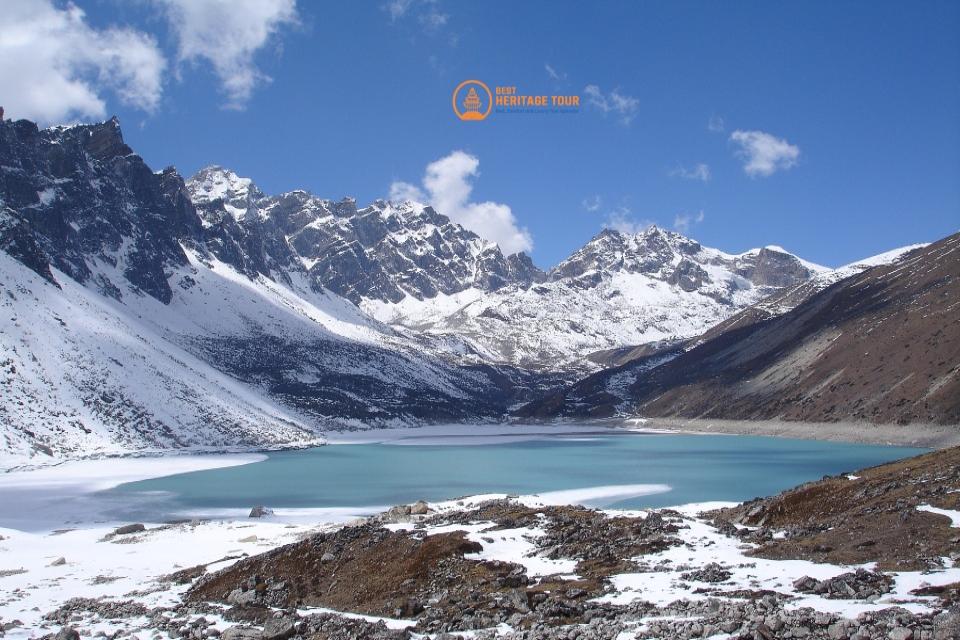
Salpa Pokhari: A sacred alpine lake associated with Kirat spiritual traditions.
-
Silichung Peak: A major trekking destination and viewpoint at approximately 4,153 meters.
The remote location and peaceful surroundings make the Mundhum Trail a rewarding destination for travelers interested in cultural exploration, mountain scenery, and off-the-beaten-path trekking in Nepal.
Why Is the Mundhum Trail Trek Culturally Rich?
The Mundhum Trail is more than a mountain trekking route. It takes travelers into the cultural landscape of eastern Nepal, where traditional beliefs, festivals, community life, and spiritual practices remain closely connected to nature.
The Kirat communities, including Rai and other Kirat groups, have long-standing traditions rooted in ancestral knowledge, nature, and oral history. Mundhum is central to their cultural heritage, preserving stories, rituals, teachings, and beliefs passed down through generations.
Along the trail, travelers can explore traditional settlements, learn about local lifestyles, visit sacred places, and experience the hospitality of rural communities.
Some cultural highlights include:
-
Traditional Kirat villages: Explore settlements where cultural practices, community values, and rural lifestyles remain part of daily life.
-
Sakela festivals: Learn about Sakela Ubhauli and Udhauli celebrations associated with seasonal cycles, nature, and cultural identity.
-
Sacred landscapes: Visit spiritually significant places such as Salpa Pokhari and Silichung.
-
Local food and hospitality: Enjoy traditional meals and locally sourced ingredients while staying in rural settlements.
-
Traditional herding: Observe livestock farming and the seasonal movement of animals to highland pastures.
These cultural encounters make the Mundhum Trail Trek one of the must culturally rich treks in Nepal for travelers seeking meaningful experiences beyond mountain scenery.
Major Highlights of the Mundhum Trail Trek
The Mundhum Trail combines cultural discovery, peaceful walking routes, beautiful mountain scenery, and natural diversity. Its major highlights include:
-
Silichung Peak: Reach a rewarding viewpoint at approximately 4,153 meters.
-
Salpa Pokhari: Visit a sacred alpine lake surrounded by mountain landscapes.
-
Himalayan panorama: Enjoy views of Everest, Lhotse, Makalu, and Kanchenjunga on clear days.
-
Rhododendron forests: Walk through colorful forests during the spring season.
-
Kirat culture: Explore traditional settlements and learn about local beliefs and heritage.
-
Peaceful ridge walking: Enjoy rolling hills, open meadows, and scenic mountain trails.
-
Local homestays: Experience village hospitality and traditional meals.
-
Off-the-beaten-path adventure: Discover a relatively less crowded trekking destination in eastern Nepal.
Mundhum Trail Trek Route and Itinerary
The Mundhum Trail Trek generally takes around 10 to 13 days, including travel to and from the trekking region. The duration depends on the starting point, ending point, walking pace, transportation, and time spent exploring local communities.
A typical trekking route includes the following stops:
|
Day |
Route |
Approx. Altitude |
|
Day 1 |
Kathmandu to Diktel |
1,650 m |
|
Day 2 |
Diktel to Chakhewa Bhanjyang |
2,300 m |
|
Day 3 |
Chakhewa Bhanjyang to Dhotre |
2,752 m |
|
Day 4 |
Dhotre to Maiyung |
3,122 m |
|
Day 5 |
Maiyung to Rawadhap |
3,426 m |
|
Day 6 |
Rawadhap to Salpa Bhanjyang |
3,348 m |
|
Day 7 |
Explore Silichung Peak and Salpa Pokhari |
4,153 m |
|
Day 8 |
Trek towards a lower settlement |
Varies |
|
Day 9 |
Continue towards the exit point |
Varies |
|
Day 10 |
Travel towards the departure destination |
Varies |
This is an indicative itinerary outline. Overnight stops, walking days, and exit routes may change according to local conditions and the selected trekking plan.
The trek begins in the lower hills before gradually reaching higher ridges, forests, and alpine landscapes. Early trekking days introduce travelers to traditional settlements and rural scenery, while the higher sections around Maiyung, Rawadhap, and Salpa Bhanjyang offer open landscapes and mountain views.
The hike toward Silichung Peak is one of the major highlights, rewarding trekkers with a panoramic view of the eastern Himalayas. After exploring the higher sections, trekking routes generally descend toward lower settlements, depending on the itinerary.
How Difficult Is the Mundhum Trail Trek?
The Mundhum Trail Trek is generally considered a moderate trek. It is suitable for travelers with reasonable physical fitness who are comfortable walking for several hours a day across uneven terrain.
The trail includes gradual climbs, descents, forest paths, open ridges, and steeper sections, particularly around higher viewpoints such as Silichung Peak. Although the route does not require technical mountaineering skills, elevation and consecutive walking days can make certain sections challenging.
Is the Mundhum Trail Trek Suitable for Beginners?
Yes, the Mundhum Trail Trek can be a good choice for beginners who want to experience a new trekking destination in Nepal. However, physical preparation is important because the route involves multiple walking days and elevations above 3,000 meters.
Beginners should prepare by:
-
Walking regularly before the trek.
-
Practicing uphill and downhill hiking.
-
Building stamina through cardio exercises.
-
Carrying a comfortable daypack.
-
Allowing enough time for acclimatization.
For travelers who want a moderately challenging adventure with cultural discovery and mountain scenery, the Mundhum Trail can be a rewarding trekking experience.
Best Time to Trek the Mundhum Trail Trek in 2027
Spring and autumn are generally the best seasons for the Mundhum Trail Trek, offering comfortable temperatures, favorable trekking conditions, and better opportunities for mountain views. However, the trek can also be undertaken during winter and monsoon, depending on weather and trail conditions.
Spring (March to May)
Spring is one of the best seasons to explore the Mundhum Trail. The hillsides and forests become colorful with blooming rhododendrons, while daytime temperatures are generally comfortable for walking.
This season is particularly attractive to nature lovers, photographers, and travelers who want to enjoy vibrant landscapes along with mountain views.
Autumn (September to November)
Autumn offers favorable trekking conditions following the monsoon. The skies are often clearer, the landscapes remain green, and the temperatures are comfortable for walking.
It is an excellent season for cultural exploration, scenic ridge trekking, and enjoying panoramic views of the eastern Himalayas.
Winter (December to February)
Winter trekking is possible, but temperatures can become very cold, particularly at higher elevations. Snowfall may affect sections of the trail, while mornings and evenings can be chilly.
Travelers planning a winter trek should bring warm clothing, prepare for cold conditions, and check trail and weather conditions before departure.
Monsoon (June to August)
The monsoon brings heavy rainfall to eastern Nepal, making trails muddy, slippery, and sometimes difficult to navigate. Cloud cover may limit mountain visibility, and road transportation can be affected by landslides.
Although the hills become lush and green, the monsoon is generally less favorable for trekking. Travelers visiting during this season should be prepared for changing weather and flexible travel plans.
Responsible Trekking on the Mundhum Trail
The Mundhum Trail passes through culturally significant landscapes and traditional communities where local beliefs, customs, and natural environments deserve respect. Responsible trekking helps preserve these traditions while supporting local livelihoods.
Travelers can help protect the trail by:
-
Respecting local customs, traditions, and sacred places.
-
Asking permission before photographing people or ceremonies.
-
Carrying waste back to appropriate disposal points.
-
Supporting local homestays, guides, and small businesses.
-
Avoiding disturbance to wildlife and natural habitats.
Responsible travel helps ensure that tourism benefits local communities while preserving the cultural and natural beauty of the Mundhum Trail for future generations.
Conclusion
The Mundhum Trail Trek is a wonderful opportunity to explore the cultural and natural beauty of eastern Nepal. From traditional Kirat villages and sacred landscapes to rhododendron forests, highland meadows, and panoramic Himalayan views, the journey offers a unique combination of trekking and cultural discovery.
For new trail trekkers, travelers searching for a different Himalayan adventure, and trekking enthusiasts who want to explore lesser-known destinations, the Mundhum Trail is a rewarding choice. Its peaceful trails, rich cultural traditions, and scenic ridge walks make it one of the must culturally rich treks in Nepal for travelers seeking something beyond the country's established trekking routes.
At Best Heritage Tour, we help travelers explore Nepal through thoughtfully planned trekking journeys, cultural experiences, and reliable travel arrangements. Whether you are planning your first trek in Nepal or looking for a new destination to explore, we can help organize your Mundhum Trail Trek with transportation, accommodation, trekking guides, and itinerary planning according to your preferences.
Contact Best Heritage Tour to plan your Mundhum Trail Trek.
Phone / WhatsApp / Viber: +977-9851149197 / +977-9810043046
Email: [email protected] / [email protected]
Website: www.bestheritagetour.com
Office: Thamel Marg, Kathmandu, Nepal
Frequently Asked Questions
1. How many days does the Mundhum Trail Trek take?
The Mundhum Trail Trek generally takes around 10 to 13 days, including travel to and from the trekking region. The duration depends on the route, transportation arrangements, walking pace, and time spent exploring villages and cultural sites.
2. Is the Mundhum Trail Trek suitable for beginners?
Yes, the Mundhum Trail Trek can be suitable for beginners with reasonable physical fitness and preparation. The trek is considered moderate and involves several walking days, gradual ascents, descents, and higher elevations.
3. What is the highest point of the Mundhum Trail Trek?
Silichung Peak is one of the highest and most important landmarks on the Mundhum Trail, reaching approximately 4,153 meters above sea level. It offers panoramic views of the eastern Himalayas on clear days.
4. What is the best season for the Mundhum Trail Trek?
Spring, from March to May, and autumn, from September to November, are generally the best seasons for the Mundhum Trail Trek. Spring offers rhododendron blooms, while autumn provides pleasant trekking conditions and good opportunities for mountain views.