Poon Hill Trek from Kathmandu - 6 Days

Insight on the Poon Hill Trek
Experience the breathtaking Poon Hill Trek, one of the most popular short trek in Nepal, renowned for its spectacular sunrise views over the Annapurna and Dhaulagiri ranges. This 6-day trek combines scenic mountain trails, vibrant rhododendron forests, traditional Gurung villages, and breathtaking Himalayan views. Perfect for beginners, families, and travelers with limited time, the Poon Hill Trek offers an unforgettable blend of natural beauty, local culture, and comfortable trekking in the heart of the Annapurna region.
Trip at a Glance
-

Country: Nepal
-

Trip grade: Moderate
-

Destination: Ghorepani Poon Hill
-

Activities: Trekking, Nature Sightseeing
-

Accommodation: Hotel/ Teahouse
-

Meals: Breakfast, Lunch and Dinner
-
.png)
Transportation: Private Vehicle
-

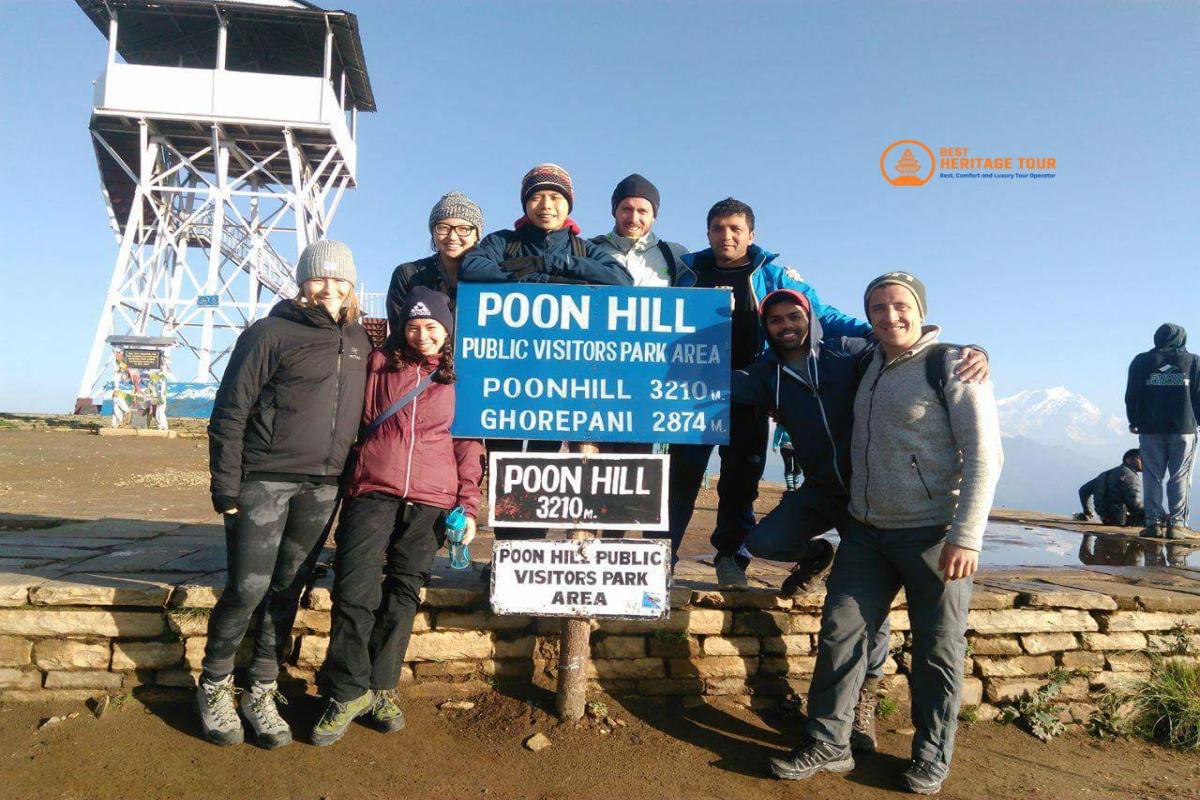
Maximum altitude: 3,210m (Poon Hill)
-

Group size: 2- 18
-
Trip Start / End: Kathmandu - Kathmandu
-
.png)
Best Season: Mar–May & Sep–Nov
Key Highlights of the Poon Hill Trek
- Scenic drive from Kathmandu to Pokhara, Nepal's lake city.
- Optional boat ride on the beautiful Phewa Lake.
- Trek through lush rhododendron forests.
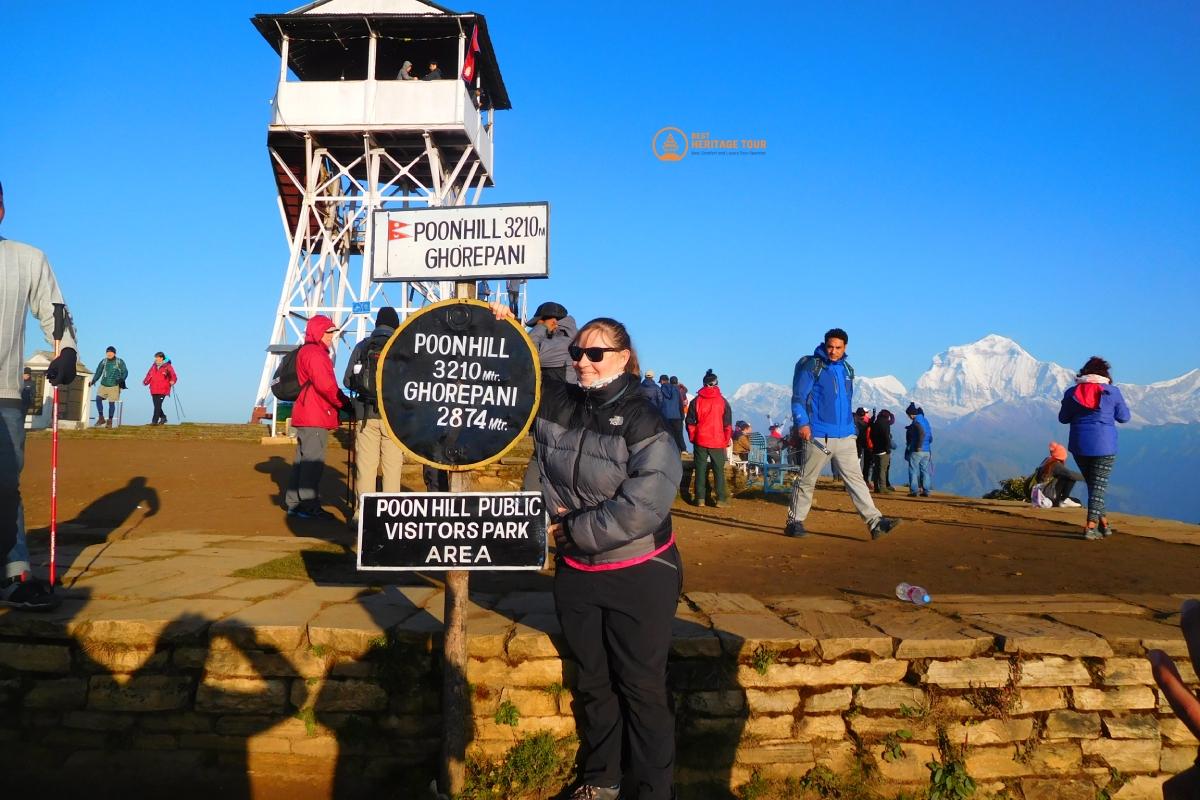
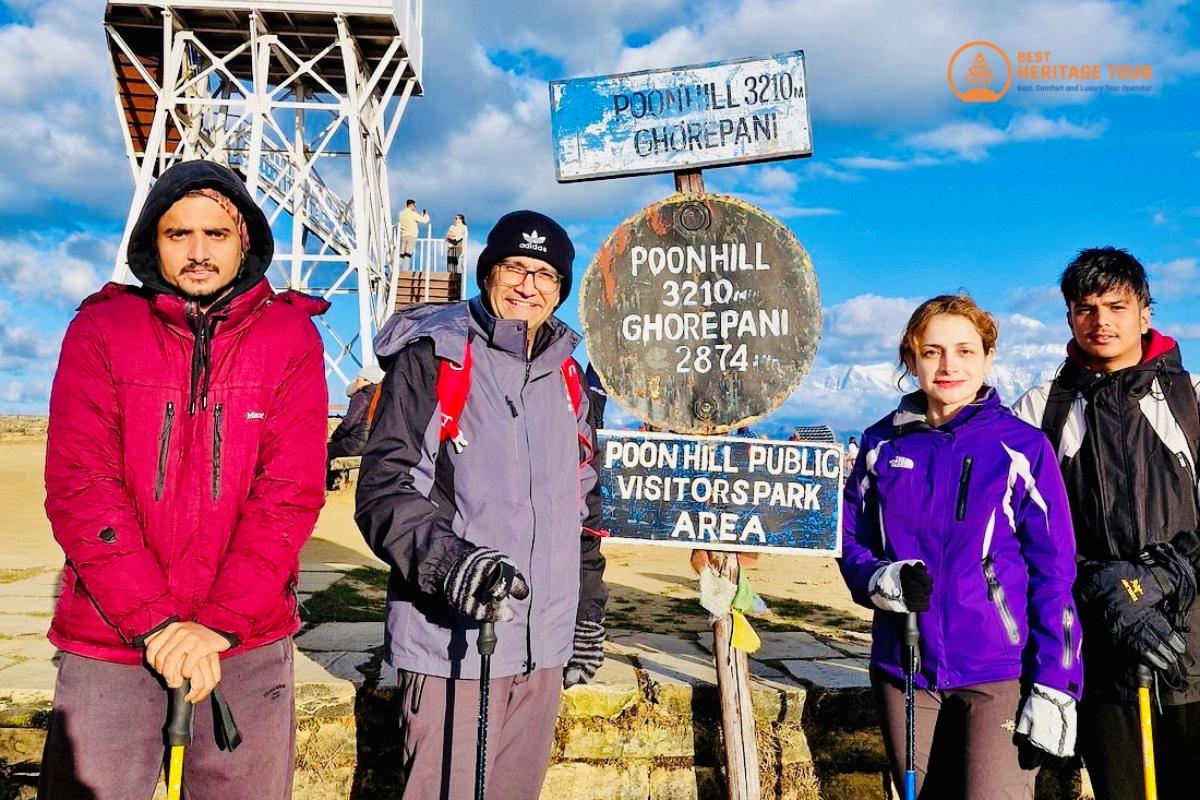
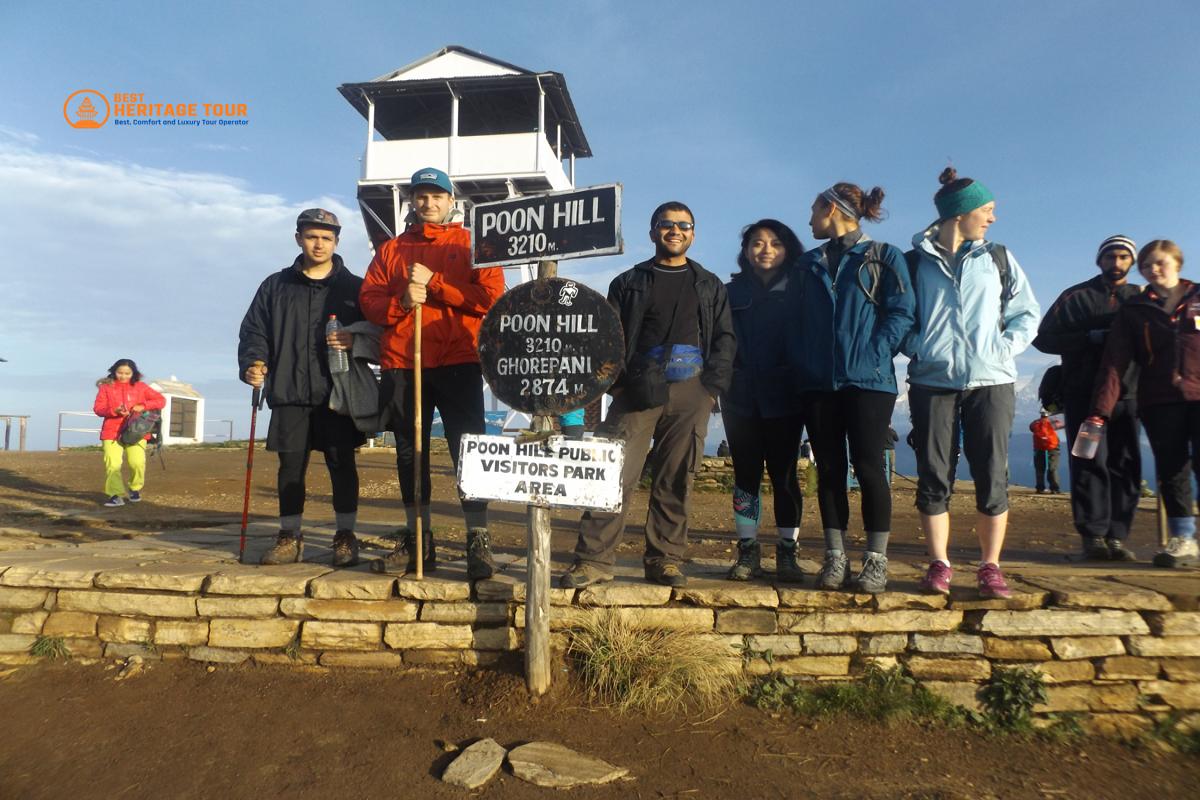
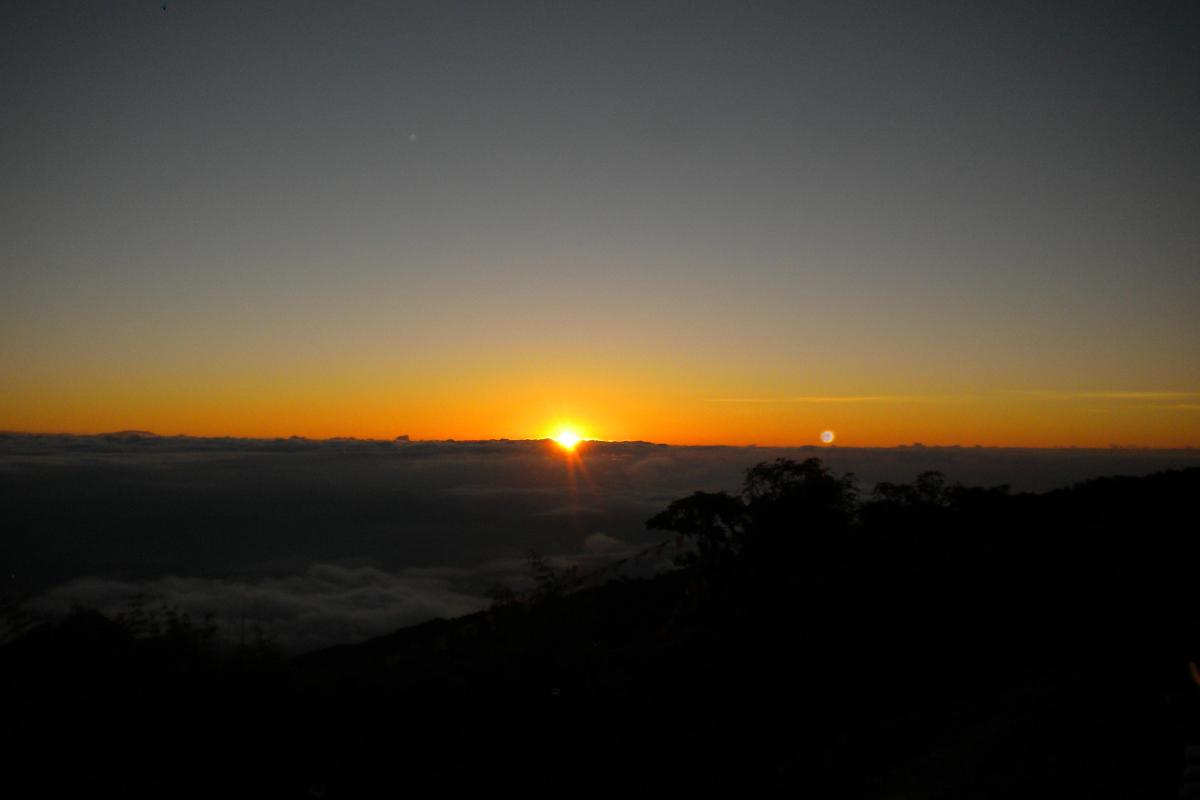
- Witness the iconic Poon Hill sunrise (3,210 m).
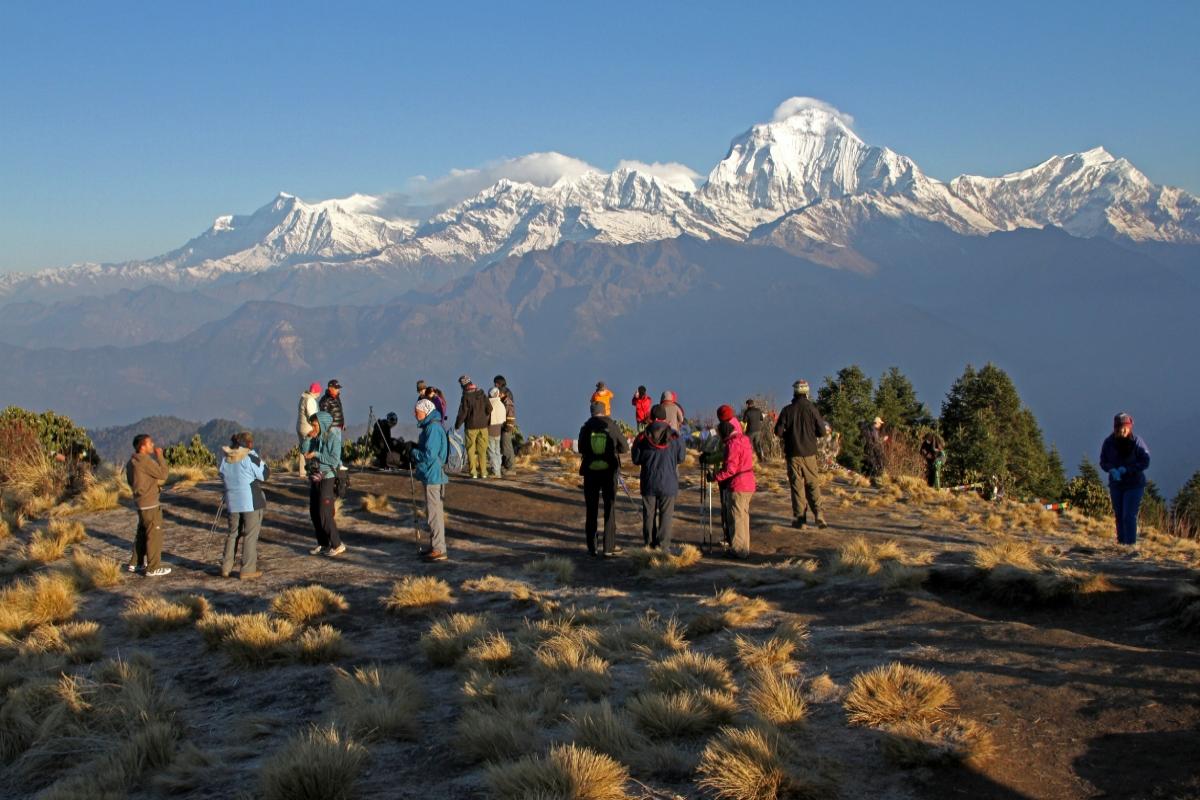
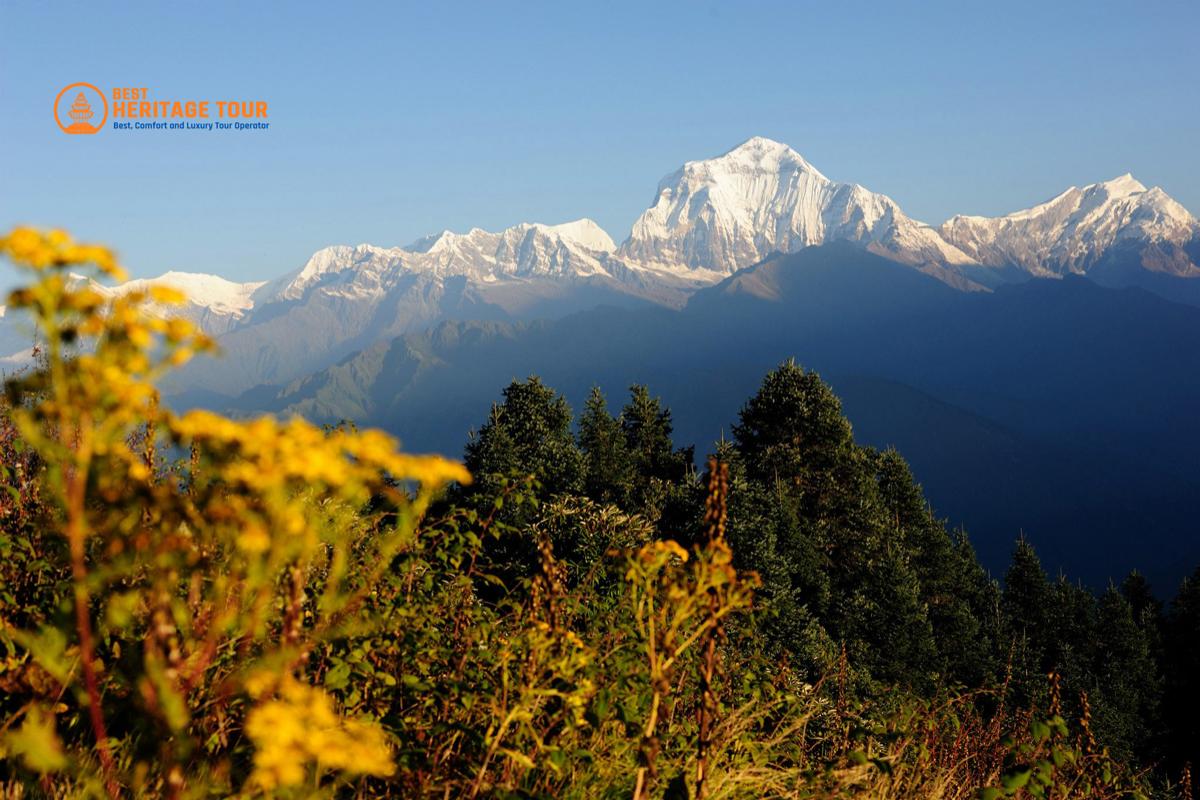
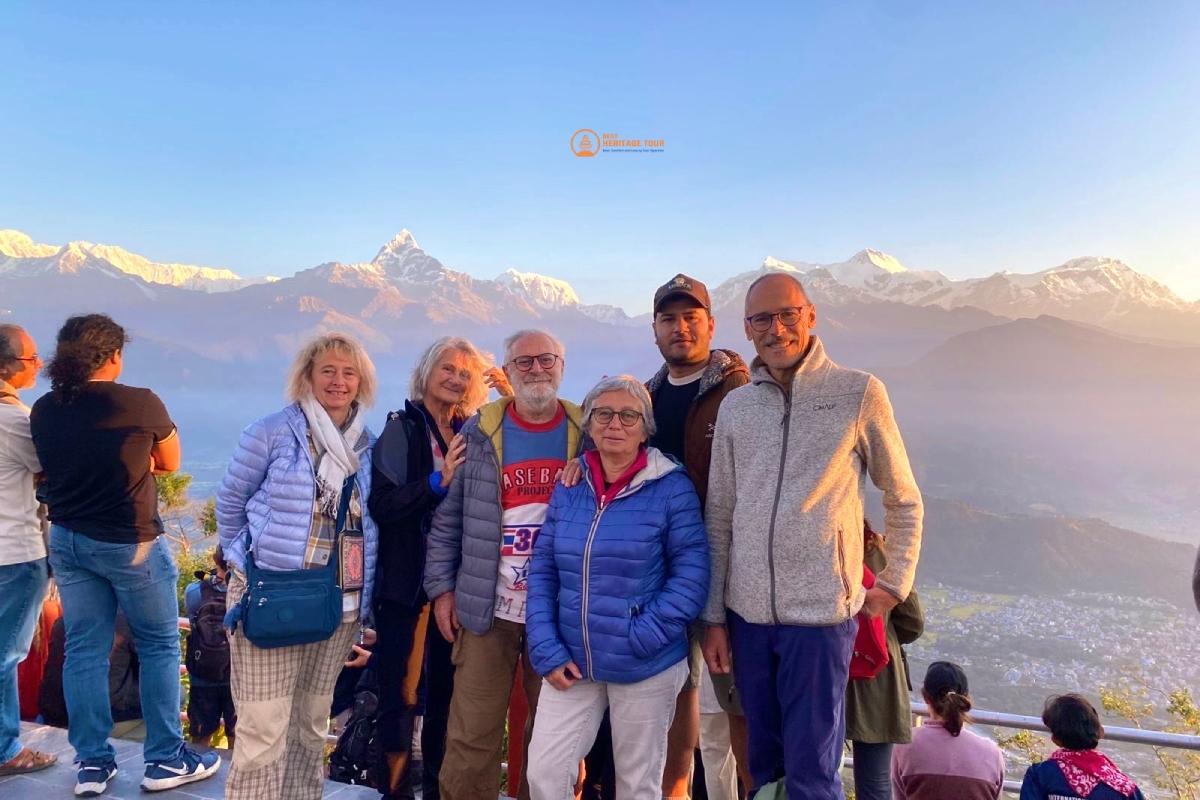
- Panoramic views of Annapurna, Dhaulagiri & Machhapuchhre.
- Explore the traditional Gurung village of Ghandruk.
- Experience authentic mountain teahouse hospitality.
- Conquer the famous 3,200 stone steps of Ulleri.
- Walk through forests, waterfalls, and terraced farmlands.
- Enjoy one of Nepal's best short Himalayan treks.
- Stunning mountain scenery with minimal altitude risk.
Why Choose Best Heritage Tour for Your Poon Hill Trek?
- Free airport pick-up and drop-off service
- Online pre-trip briefing and booking confirmation for better preparation
- Multiple communication channels (Phone, Email, WhatsApp, Viber) for easy support
- 24/7 customer support available at +977-9851149197 / +977-9810043046
- Simple and secure payment options including Cash, Card & Bank Transfer
- Provide essential medical kit and oximeter to monitor oxygen levels at high altitude
- Complimentary duffle bag and sleeping bag (used one & to be returned after the trek)
- Free luggage storage facility at Best Heritage Tour store during the trek
- We plant a tree in the name of travelers (upon request), as a part of our commitment to sustainable tourism
Poon Hill Trek Route Overview
The Poon Hill Trek is one of Nepal's most popular short trekking adventures, offering the perfect combination of spectacular Himalayan scenery, rich local culture, and comfortable trekking experiences. Designed for beginners and travelers with limited time, this 6-day journey takes you through the heart of the Annapurna region, where you'll explore charming mountain villages, lush rhododendron forests, terraced farmlands, and one of the country's most famous viewpoints.
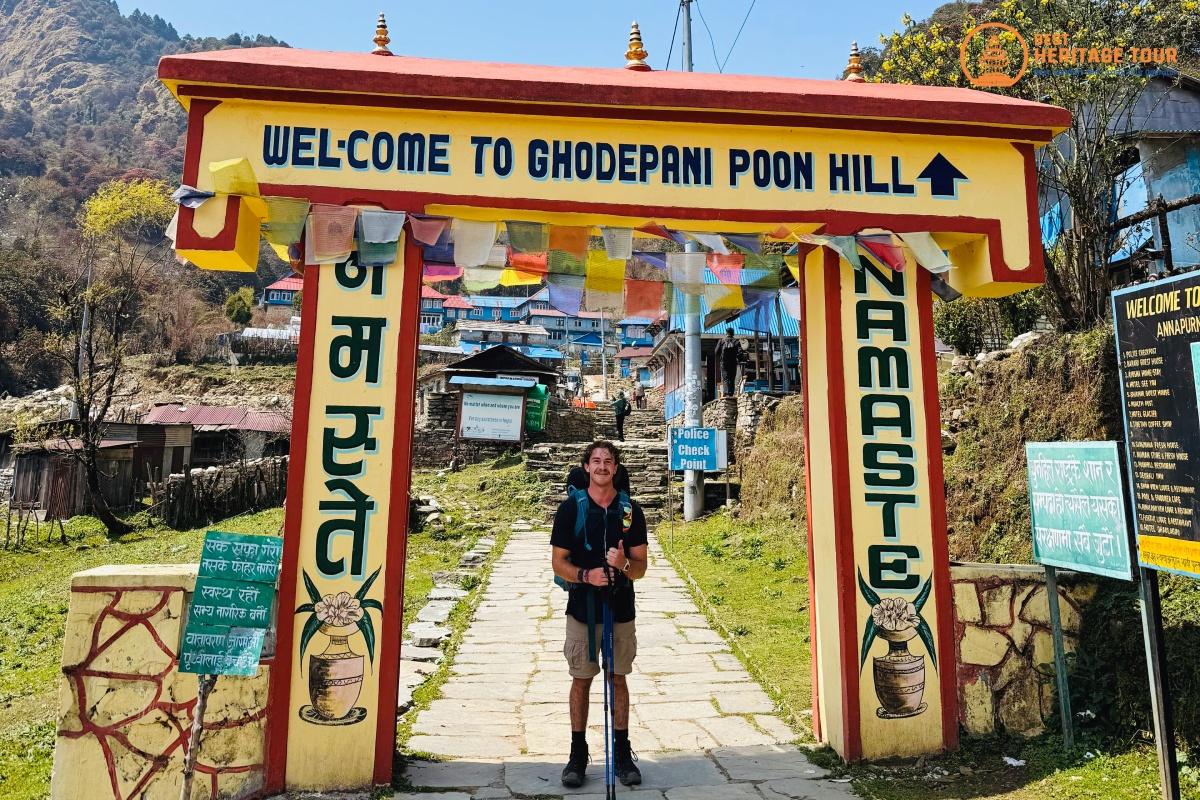
Your journey begins with a scenic drive from Kathmandu to Pokhara, Nepal's beautiful lake city. From Pokhara, a private vehicle takes you to Ulleri, where the trekking adventure begins. Following well-established mountain trails, you'll pass through peaceful forests and traditional villages before reaching Ghorepani, the gateway to the iconic Poon Hill.
The highlight of the trek is the early morning hike to Poon Hill (3,210 m / 10,531 ft). As the sun rises over the Himalayas, you'll witness breathtaking panoramic views of Annapurna I, Annapurna South, Dhaulagiri, Machhapuchhre (Fishtail), Hiunchuli, Nilgiri, and numerous surrounding peaks. After enjoying this unforgettable sunrise, the trail continues through beautiful forests to Tadapani before descending to the traditional Ghandruk Village, renowned for its rich Gurung culture, stone houses, and magnificent mountain backdrop.
Throughout the trek, you'll stay in comfortable local teahouses, enjoy freshly prepared Nepali meals, and experience the genuine hospitality of the mountain communities. With moderate daily walking hours, a well-maintained trail, and a maximum altitude of only 3,210 meters, the Poon Hill Trek is an excellent choice for first-time trekkers, families, couples and solo travelers.
At Best Heritage Tour, our experienced local guides, carefully planned itinerary, and commitment to safety ensure a comfortable, enjoyable, and memorable journey through one of the most scenic trekking routes in the Annapurna region.
What to Expect from the Poon Hill Trek?
1. Stunning Himalayan Views
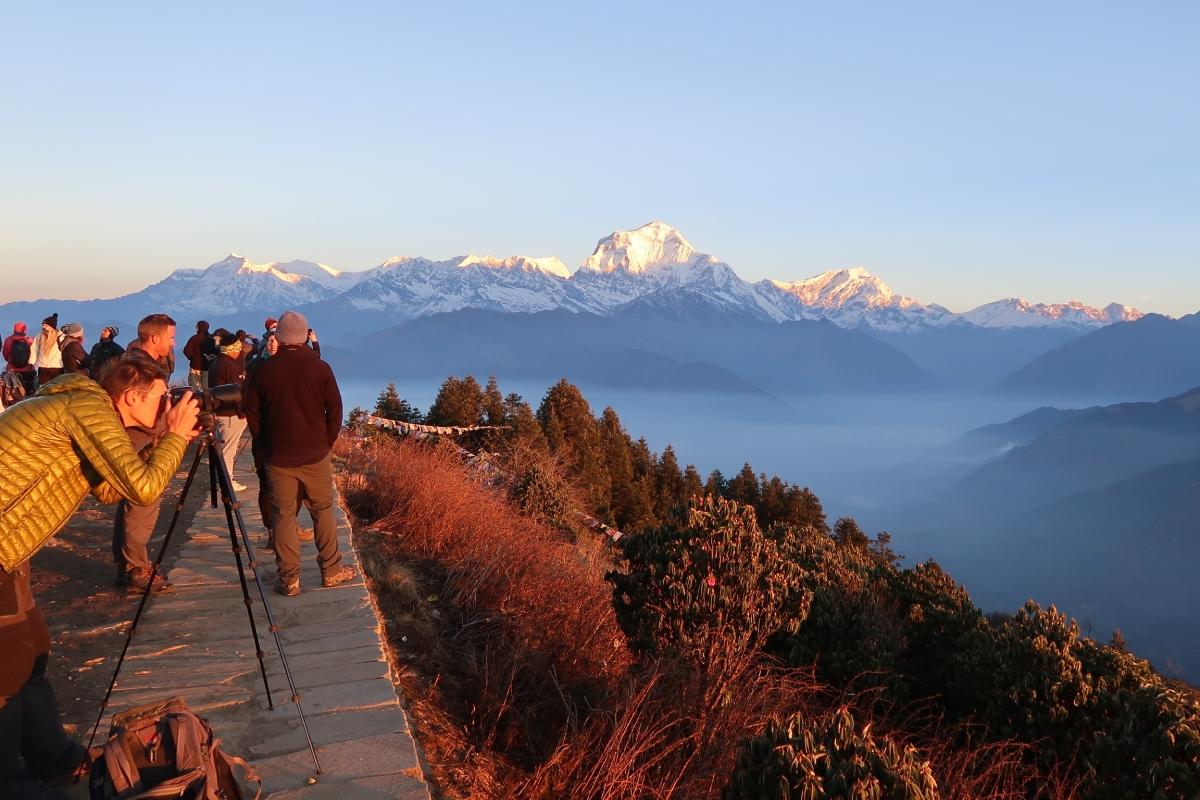
Expect to be awestruck by panoramic views of some of the tallest peaks in the world, including the majestic Annapurna, Dhaulagiri, and Machhapuchhre (Fishtail). The sunrise from Poon Hill (3,210m) is a highlight, offering an incredible view as the first light hits the snow-capped peaks, creating a golden glow over the mountains.
2. Cultural Exploration
As you trek through the Annapurna Region, you’ll have the chance to explore traditional Gurung villages like Ghandruk and Ghorepani, where you can interact with local people, learn about their way of life, and experience the rich Nepali culture. The warmth and hospitality of the locals make the trek even more special.
3. Incredible Sunrise and Sunset Views
One of the most memorable experiences of the trek is the early morning hike to Poon Hill. As you reach the summit, you’re rewarded with a breathtaking sunrise over the Annapurna, Machhapuchhre, and Dhaulagiri mountains, all bathed in soft golden light. The trek also offers stunning sunset views from Tadapani and Ghorepani, where the mountains transform into hues of orange, pink, and purple as the sun sets behind them.
4. Varied Landscapes
Throughout the trek, expect to witness a variety of landscapes. From terraced rice fields to dense forests of rhododendron and pine trees, the changing scenery keeps the trek exciting and visually engaging. The diverse flora and fauna along the route enhance the overall trekking experience, with many opportunities for photography.
5. Comfortable Accommodation in Remote Villages:
During the trek, you’ll stay in simple yet comfortable guesthouses or lodges, offering a chance to rest and recover after a day’s hike. These accommodations provide a peaceful, authentic atmosphere, where you can relax and immerse yourself in the surroundings of the beautiful Annapurna foothills.
6. Peaceful Nature and Serenity:
Expect to walk through some of Nepal's most serene landscapes. The trek offers the perfect escape from the hustle and bustle of daily life, with fresh mountain air, lush forests, and a peaceful atmosphere. This is an ideal opportunity to connect with nature, enjoy the silence, and rejuvenate your mind and body.
Are you ready for the Poon Hill Trek?
To enjoy this trek, it’s important to be in good physical health. While the trek is considered moderate, you should be able to handle steep ascents and high-altitude conditions. It’s ideal for trekkers with a basic fitness level - regular walking or hiking can help prepare you. If you're over the age of 60 or have existing health conditions, consult with your doctor before undertaking the trek. A positive mindset and patience will help you face any challenges along the way.
Along with physical readiness, you’ll need an open heart and respect for nature. The trek takes you through beautiful landscapes, traditional Gurung villages, and serene mountain trails. Embrace the stunning views of the Annapurna, Dhaulagiri, and Machhapuchhre ranges, and connect with the local culture. With the right preparation, the Poon Hill Trek will be an unforgettable experience.
Alternative Itinerary:
Day 1: Drive from Kathmandu to Pokhara
Day 2: Drive from Pokhara to Ulleri and Trek to Ghorepani
Day 3: Trek from Ghorepani to Tadapani via Poon Hill
Day 4: Trek from Tadapani to Ghandruk Village and Drive to Pokhara
Day 5: Drive from Pokhara to Kathmandu
Itinerary
Your Poon Hill Trek adventure begins with a scenic drive from Kathmandu to Pokhara, a journey that will take you through lush landscapes and picturesque villages. You’ll travel along the Prithvi Highway, which offers breathtaking views of the Trishuli River and the surrounding hills. As you approach Pokhara, the Annapurna Range begins to dominate the skyline, creating a perfect backdrop for your arrival.
Upon arrival in Pokhara, take the afternoon to explore the serene Phewa Lake. Enjoy a peaceful boat ride on the lake, where you can admire the stunning reflections of Machhapuchhre (Fishtail) and other surrounding peaks. You can also take a leisurely stroll around the lakeside, visiting local shops, cafés, and temples. The vibrant atmosphere of Pokhara will make you feel relaxed and ready for the trekking days ahead.
After breakfast, we drive from Pokhara to Ulleri by private vehicle, passing through picturesque villages, terraced farmlands, and rolling hills with beautiful views of the Annapurna region. The drive takes approximately 3-4 hours, bringing you to Ulleri, the starting point of today's trek.
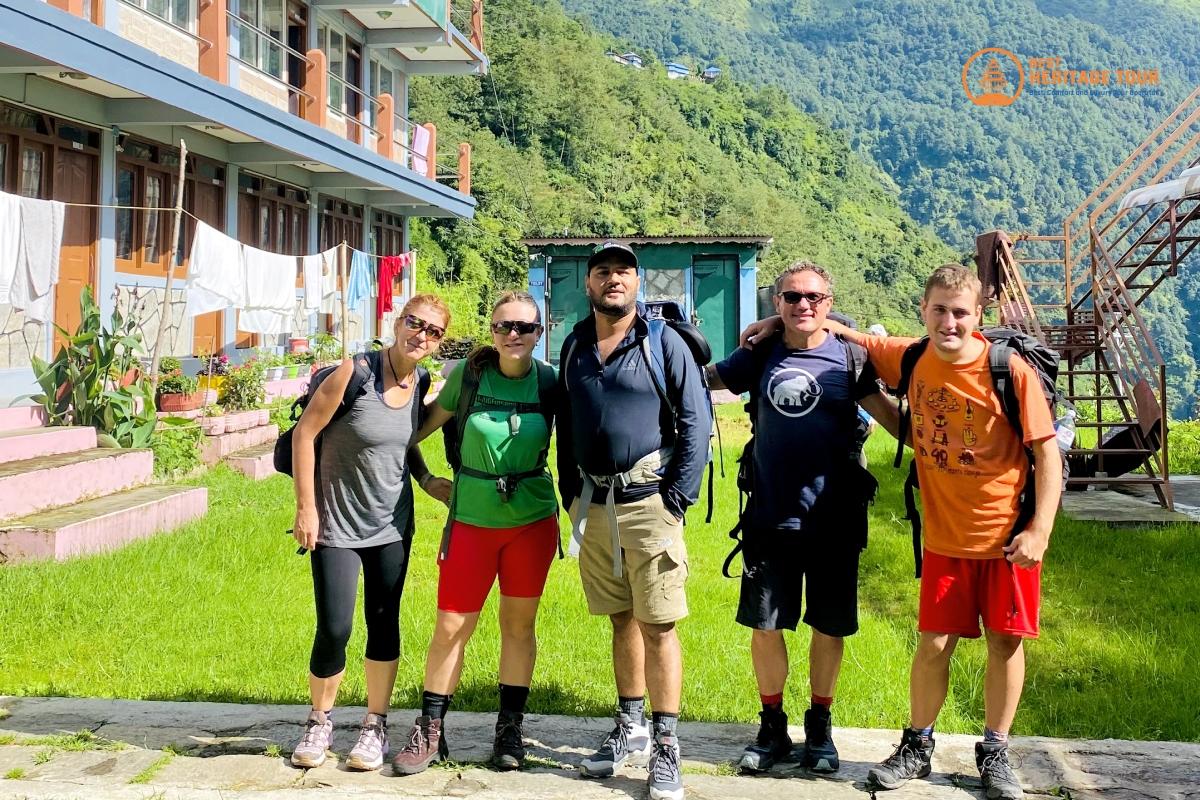
From Ulleri, the trail gradually ascends through beautiful oak and rhododendron forests, passing small streams and traditional mountain settlements before reaching Ghorepani, a charming village nestled beneath the famous Poon Hill viewpoint. Upon arrival, check in to your teahouse and relax while enjoying the peaceful mountain atmosphere and warm local hospitality.
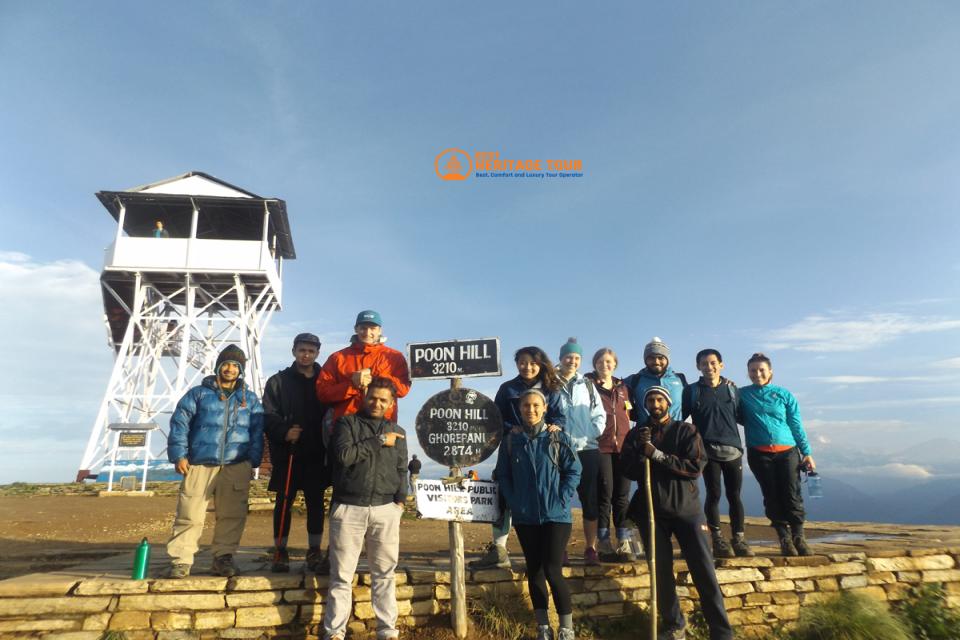
Before dawn, we begin a short hike to Poon Hill (3,210 m), one of Nepal's most famous viewpoints, to witness a breathtaking sunrise over the Annapurna and Dhaulagiri mountain ranges. As the first rays of sunlight illuminate peaks such as Annapurna South, Machhapuchhre (Fishtail), Dhaulagiri, Hiunchuli, and Nilgiri, you'll enjoy one of the most memorable highlights of the trek.
After spending time at the viewpoint, we return to Ghorepani for breakfast before continuing our trek toward Tadapani. The trail winds through beautiful rhododendron and oak forests, with occasional mountain views and peaceful natural surroundings. Upon reaching Tadapani, check in to your teahouse and relax while enjoying the serene atmosphere of this picturesque mountain village.
On Day 4, you’ll continue your trek from Tadapani to the beautiful Ghandruk Village, one of the most picturesque and culturally rich villages in the Annapurna region. After breakfast, you’ll begin your descent through rhododendron forests and lush hillsides. The trail offers spectacular views of the Annapurna South and Machhapuchhre (Fishtail) mountains.
The trek is relatively easy, with a gentle descent leading you towards Ghandruk, a charming village with traditional stone houses and narrow stone-paved streets. Ghandruk is home to the Gurung people, one of Nepal's indigenous ethnic groups, and offers a fascinating insight into their way of life. As you arrive in Ghandruk, take some time to explore the village, visit the Gurung Museum, and interact with the friendly locals. You’ll spend the night in Ghandruk, enjoying the tranquil surroundings and the majestic mountain views.
After breakfast, spend the morning exploring the beautiful Ghandruk Village, one of the largest and most picturesque Gurung settlements in the Annapurna region. You can stroll through its traditional stone-paved streets, admire the slate-roofed houses, visit the local museum (optional), and enjoy spectacular views of Annapurna South, Hiunchuli, and Machhapuchhre (Fishtail).
At around 1:00 PM, we depart from Ghandruk and drive back to Pokhara by private vehicle. The scenic mountain road passes through charming villages, terraced farmlands, and lush hills before arriving in Nepal's beautiful lakeside city. Upon arrival, check in to your hotel and spend the rest of the day relaxing or exploring the vibrant Lakeside area at your own pace.
On the final day of your Poon Hill Trek, you’ll drive back from Pokhara to Kathmandu. After breakfast, enjoy the scenic drive along the Prithvi Highway, passing through lush valleys, rivers, and rural villages. The drive offers beautiful views of the Trishuli River and surrounding hills, providing a peaceful and picturesque end to your trekking adventure.
Upon arrival in Kathmandu, you’ll be transferred to your hotel, where you can relax or take some time to explore the capital city, revisit some cultural sites, or simply enjoy your last day in Nepal. This day is primarily for travel, giving you a chance to reflect on the incredible memories and experiences from your trek.
What is included?
- PRIVATE AIRPORT PICK-UP & DROP : Airport - Hotel transfer - Airport (Pick Up and Drop).
- MEMBER TRANSPORTATION :
- Tourist Bus : Transportation in standard tourist bus from Kathmandu to Pokhara and while returning from Pokhara to Kathmandu.
- Private Vehicle : Transportation in Car or Jeep from Pokhara to Nayapul & while returning from Nayapul to Pokhara.
- ACCOMMODATION IN POKHARA : 2 nights in a 3-star hotel on a bed & breakfast basis.
- LODGING : Best available accommodation in mountain lodges and tea houses during the trek.
- FOOD : 3 meals a day (breakfast, lunch, and dinner; including tea/coffee) during the trek, with Ef-Chlor purification tablets provided for safe drinking water.
- GUIDE : One experienced government licensed trekking guide (English speaking) during the trek.
- STAFF SALARY AND ALLOWANCE : All trekking staff wages, salary, equipment, food & clothing.
- PERMITS : All necessary paper works: Annapurna Conservation Area permit, TIMS Card & conservation entry fee.
- STAFF INSURANCE : Insurance for all involved trekking staff during the trek.
- GEAR (IF NEEDED) : Sleeping bag, down jacket, and duffle bag (to be returned after the trek).
- MEDICAL KIT : A well equipped first aid kit, including an oximeter and emergency oxygen, carried by the guide for your safety.
- IN CASE OF EMERGENCY : Assistance in rescue operations in case of emergency covered by travel insurance.
- SOUVENIR : Best Heritage Tour’s Appreciation Certificate after the successful trek & Purse, an authentic Nepali product made from hemp.
- FAREWELL DINNER : A farewell dinner with an authentic cultural program after completion of the trek.
What is not included?
- INTERNATIONAL AIRFARE : International flight airfare (from and to Kathmandu).
- NEPAL VISA FEES : You may issue the visa upon your arrival at Tribhuvan International Airport - Kathmandu or apply manually in your home country.
- ACCOMMODATION & MEALS : Accommodation and meals in Kathmandu before and after the trek. Lunch and dinner in Pokhara.
- INSURANCE POLICY : Travel insurance covering medical expenses and high-altitude evacuation is mandatory. If you do not have suitable coverage, we can also assist in arranging travel insurance for you upon your arrival in Nepal. Check Over Here
- PERSONAL EXPENSES : Clothing & gears, telephone, internet, toiletries, hot shower, laundry, soft drinks and any Alcoholic beverages.
- OPTIONAL PORTER SERVICE : USD 22 per day, including all taxes (each porter can carry up to 25 kg of luggage).
- TIPS : Tips for guide and porters.
- EXTRA : Any additional costs due to factors beyond our control, or for services not specifically mentioned in the Itinerary & Included section.
- TAXES & SERVICE CHARGE : All government taxes (13%) and service charge (10%).
Route Map
Equipment
Clothing
- Trekking Boots
- Socks
- Thermal/Woolen Base Layer
- Lightweight Long Pants
- Trekking Pants
- Shorts (optional)
- Fleece Jacket
- Waterproof Jacket/Poncho
- Down Jacket
- Hat/Cap
- Warm Beanie/Headband
- Gloves
Accessories
- Backpack (30-40L)
- Daypack Rain Cover
- Water Bottles/Hydration System
- Sunglasses
- Sunblock
- Lip Balm with SPF
Sleeping Gear (Optional)
- Sleeping Bag (3-season)
- Sleeping Pad
Trekking Gear
- Trekking Poles
- Headlamp/Flashlight (with extra batteries)
- Water Purification Tablets/Water Filter
- Camera
Personal Items
- Travel Insurance
- First Aid Kit
- Snacks/Energy Bars
- Toiletries
- Passport and Permits
- Cash
Optional Items
- Gaiters
- Camera Tripod
- Books/Journal
Trip Info
Useful Information About the Poon Hill Trek
For a safe, enjoyable, and well-organized Poon Hill Trek, we recommend all trekkers to familiarize themselves with the essential trip details before the journey begins. Understanding the itinerary, transportation, accommodation, weather, and trekking conditions in advance helps you prepare both physically and mentally.
Airport Pickup and Trip Briefing for the Poon Hill Trek
For our international guests, Best Heritage Tour provides convenient airport pickup and drop-off services in Kathmandu. Upon your arrival at Tribhuvan International Airport, one of our friendly representatives will be waiting to welcome you and assist you with your arrival.
As a symbol of traditional Nepali hospitality, we greet our guests with a Khada (ceremonial scarf) before transferring you to your hotel in Kathmandu by a private vehicle appropriate for your group size.
If you have not yet arranged your accommodation, our team will be happy to help you find a suitable hotel based on your budget and preferences.
Trip Briefing Session in Thamel
Before the trek begins, we organize a comprehensive trip briefing session at our office in Thamel. This meeting gives you the opportunity to understand every aspect of the Poon Hill Trek and prepare confidently for the journey ahead.
During the briefing, our team will:
-
Explain the complete 6-day Poon Hill Trek itinerary in detail.
-
Provide important information about the trekking route, trail conditions, and daily walking schedule.
-
Discuss the weather, altitude, and what to expect during the trek.
-
Review the recommended clothing, trekking gear, and equipment.
-
Introduce you to your licensed trekking guide and porter (if included or requested).
-
Verify your trekking permits and other necessary travel documents.
-
Answer any questions regarding accommodation, meals, transportation, or the trekking experience.
Our goal is to ensure that every guest begins the Poon Hill Trek feeling well-informed, fully prepared, and excited to explore one of the most scenic and culturally rich trekking routes in the Annapurna region.
What Type of Transportation is Used for the Poon Hill Trek?
At Best Heritage Tour, we arrange reliable transportation for the Poon Hill Trek from Kathmandu, combining standard tourist buses, private cars, and jeeps according to the route and itinerary. Since the trek begins and ends with road journeys between Kathmandu and Pokhara, transportation is an important part of the overall experience.
Tourist Bus
Transportation is provided by a standard tourist bus from Kathmandu to Pokhara on Day 1 and from Pokhara to Kathmandu on Day 6. The journey follows the scenic Prithvi Highway, offering views of Nepal’s hills, rivers, villages, and countryside along the way.
Private Vehicle
We arrange a private car or jeep from Pokhara to Ulleri on Day 2, from where the trekking section to Ghorepani begins. At the end of the trek, a private car or jeep is provided from Ghandruk to Pokhara on Day 5. Private road transportation provides greater flexibility and is suitable for the winding mountain roads around the Annapurna region.
Transportation Summary
|
Type of Vehicle |
Route |
Approx. Distance |
Travel Time |
|---|---|---|---|
|
Tourist Bus |
Kathmandu → Pokhara (Day 1) |
200 km / 124 miles |
6-8 hours |
|
Pokhara → Kathmandu (Day 6) |
200 km / 124 miles |
6-8 hours |
|
|
Private Car/Jeep |
Pokhara → Ulleri (Day 2) |
50-55 km / 31-34 miles |
3-4 hours |
|
Ghandruk → Pokhara (Day 5) |
50-55 km / 31-34 miles |
3-4 hours |
Note: Road distance and travel time can vary depending on road conditions, traffic, weather, construction, and seasonal conditions.
What is the Maximum Altitude Reached During the Poon Hill Trek?
The maximum altitude reached during the Poon Hill Trek is 3,210 meters (10,531 feet) at Poon Hill. Although the trek does not reach extreme Himalayan elevations, the gradual increase from Pokhara to Ghorepani and Poon Hill means trekkers should still maintain a comfortable walking pace and stay properly hydrated. The highest trekking section is the early-morning hike from Ghorepani to Poon Hill, followed by the descent and trek toward Tadapani.
What is the Altitude of Ghorepani?
Ghorepani is situated at approximately 2,860 meters (9,383 feet) above sea level. It is one of the main overnight stops on the Poon Hill Trek and serves as the starting point for the early-morning hike to Poon Hill.
After reaching Ghorepani from Ulleri on Day 2, trekkers stay overnight before beginning the sunrise hike to Poon Hill the following morning.
What is the Altitude of Poon Hill?
Poon Hill stands at approximately 3,210 meters (10,531 feet) above sea level. It is the highest point reached during our Poon Hill Trek and one of the most famous sunrise viewpoints in the Annapurna region.
From the viewpoint, trekkers can enjoy panoramic views of several Himalayan peaks, including Dhaulagiri, Annapurna South, Annapurna I, Hiunchuli, and Machhapuchhre (Fishtail), depending on weather and visibility.
Day-by-Day Elevation Breakdown During Ghorepani Poon Hill Trek
To help our guests understand the altitude progression throughout the trek, the table below shows the maximum elevation reached on each day of our 6-day Poon Hill Trek itinerary:
|
Day |
Trail Section |
Maximum Altitude Reached |
|---|---|---|
|
Day 1 |
Kathmandu → Pokhara |
827 m / 2,713 ft |
|
Day 2 |
Pokhara → Ulleri → Ghorepani |
2,860 m / 9,383 ft |
|
Day 3 |
Ghorepani → Poon Hill → Tadapani |
3,210 m / 10,531 ft |
|
Day 4 |
Tadapani → Ghandruk Village |
2,630 m / 8,629 ft |
|
Day 5 |
Ghandruk → Pokhara |
827 m / 2,713 ft |
|
Day 6 |
Pokhara → Kathmandu |
1,400 m / 4,593 ft |
Note: Altitudes and travel times are approximate and may vary slightly depending on the exact trail route, accommodation location, and road conditions.
What Is the Distance Covered on Each Day During the Poon Hill Trek?
The Ghorepani Poon Hill Trek from Kathmandu combines scenic road journeys with comfortable walking sections through the foothills of the Annapurna region. Including both driving and trekking sections, the total distance covered during our 6-day itinerary is approximately 545-550 km (339-342 miles).
The exact distance may vary slightly depending on the road conditions, vehicle route, and the specific trail taken between villages.
What Is the Total Driving Distance on the Poon Hill Trek from Kathmandu?
The total driving distance on the Poon Hill Trek is approximately 505-510 km (314-317 miles), covering the major road journeys between Kathmandu, Pokhara, Ulleri, Ghandruk, and Pokhara.
The Kathmandu-Pokhara journeys are covered by standard tourist bus, while the mountain road sections between Pokhara, Ulleri, and Ghandruk are arranged by private car or jeep as part of our standard transportation arrangement.
What Is the Total Trekking Distance Covered on the Poon Hill Trek?
The total trekking distance is approximately 37-40 km (23-25 miles). The walking section begins from Ulleri and continues through the beautiful villages and forests of the Annapurna region toward Ghorepani.
From Ghorepani, the trail climbs to Poon Hill at 3,210 m (10,531 ft) for the famous Himalayan sunrise before continuing toward Tadapani. The final trekking section descends through forests and traditional mountain settlements to Ghandruk Village, where the trekking portion of the journey ends.
Day-by-Day Distance & Walking Time on Poon Hill Trek
The table below provides an approximate breakdown of the distance and travel time for each day of our 6-day Poon Hill Trek itinerary:
|
Day |
Specific Route Segment |
Distance Covered |
Duration |
|---|---|---|---|
|
Day 1 |
Kathmandu → Pokhara (Drive) |
~200 km / 124 miles |
6-8 Hours |
|
Day 2 |
Pokhara → Ulleri (Drive) → Ghorepani (Trek) |
~65-70 km / 40-43 miles |
3-4 Hours Drive |
|
Day 3 |
Ghorepani → Poon Hill → Tadapani (Trek) |
~13-14 km / 8-9 miles |
6-7 Hours |
|
Day 4 |
Tadapani → Ghandruk (Trek) |
~9-10 km / 5.5-6.2 miles |
3-4 Hours |
|
Day 5 |
Ghandruk → Pokhara (Drive) |
~50-55 km / 31-34 miles |
3-4 Hours |
|
Day 6 |
Pokhara → Kathmandu (Drive) |
~200 km / 124 miles |
6-8 Hours |
Note: Trekking distances and driving times are approximate. Trail conditions, road construction, traffic, weather, and seasonal changes can affect the actual distance and duration of each journey.
What Type of Accommodation Is Available on the Poon Hill Trek?
Accommodation on the Ghorepani Poon Hill Trek is arranged to provide a comfortable and authentic experience while traveling through the Annapurna region. At Best Heritage Tour, we select reliable local teahouses and lodges along the trekking route, offering a warm atmosphere, basic modern facilities, and traditional mountain hospitality.
Accommodation in Kathmandu
Accommodation in Kathmandu before the trek is not included in our standard Poon Hill Trek package. However, we are happy to assist you in booking a hotel that matches your budget and preferences.
Accommodation in Pokhara
We provide accommodation in a 3-star hotel in Pokhara on Bed & Breakfast Basis, offering a comfortable stay before or after the trek.
Accommodation During the Poon Hill Trek
During the trekking portion of the journey, accommodation is provided in local teahouses and mountain lodges at the overnight destinations. These properties are designed specifically for trekkers and provide essential facilities for a comfortable stay after a day on the trail.
Our standard accommodation arrangement includes:
-
1 Night in Ghorepani: In Teahouse or mountain lodge with private room and attached bathroom.
-
1 Night in Tadapani: In Teahouse or mountain lodge with private room and attached bathroom.
-
1 Night in Ghandruk: In Teahouse or mountain lodge with private room and attached bathroom.
Note: Accommodation may vary depending on availability, weather, and local trail conditions.
Facilities Inside the Rooms During the Poon Hill Trek
The teahouses along the Poon Hill Trek provide relatively comfortable facilities compared with many remote high-altitude trekking routes in Nepal. However, facilities can vary between villages and individual teahouses.
1. Toilet Facilities
Ulleri, Ghorepani, Tadapani and Ghandruk: Most of the teahouses we use provide rooms with attached bathrooms and Western-style toilets. However, bathroom arrangements can vary depending on the specific property and room availability.
2. Hot Shower Availability
Hot showers are generally available for approximately NPR 300-500. Hot showers are usually provided using gas, solar heating, or other local systems. Availability can depend on the weather, season, and teahouse facilities.
3. Electricity and Device Charging
Electricity is generally available at the major overnight stops, allowing trekkers to charge phones, cameras, and other electronic devices. Charging is generally available for approximately NPR 100-300 per device.
4. Wi-Fi and Internet Access
Wi-Fi is generally available at the teahouses along the main Poon Hill route, although connection speed and reliability can vary. Wi-Fi is generally available for approximately NPR 200-300.
5. Mobile Network Coverage
Mobile network coverage is generally available throughout much of the Poon Hill trekking route. For trekkers who need reliable communication during the journey, we recommend carrying an NTC SIM card, particularly for the higher sections around Tadapani.
Note: Facility availability and additional charges may vary slightly depending on the specific teahouse, season, weather, electricity supply, and local operating conditions.
Food and Drinks on the Poon Hill Trek
During the Poon Hill Trek, trekkers enjoy freshly prepared meals at local teahouses and lodges along the trail. The food is generally simple, nutritious, and filling, providing the energy needed for daily walking through the Annapurna foothills.
Our standard Poon Hill Trek package includes Breakfast, Lunch, and Dinner (BLD), along with 2-3 cups of tea or coffee per day throughout the trekking portion of the journey.
Meals are arranged as follows:
-
Breakfast: Served at the teahouse where you stay overnight.
-
Lunch: Served at a local teahouse or lodge along the trekking route.
-
Dinner: Served at the teahouse where you spend the night.
Ordering and Meal Policy
Trekkers can generally choose one main dish per meal from the available teahouse menu. Additional snacks, desserts, chocolates, soft drinks, bottled beverages, alcoholic drinks, and tea or coffee beyond the package allowance are not included in the standard package and should be paid for directly by the trekkers.
Available Menu Options on the Poon Hill Trail
|
Meal |
Standard Teahouse Offerings |
|---|---|
|
Breakfast |
Oatmeal, porridge, Tibetan bread, pancakes, eggs, muesli, chapati, toast, jam, butter, tea, and coffee |
|
Lunch |
Dal Bhat, fried rice, chowmein, pasta, momo, thukpa, noodle dishes, soups, and potato-based meals |
|
Dinner |
Dal Bhat sets, vegetable curries, soups, fried noodles, rice dishes, pasta, garlic soup, momo, and bread items |
Drinks Available Along the Poon Hill Trail
Trekkers can purchase a variety of hot and cold beverages at teahouses throughout the route. Common options include:
-
Milk Tea, Black Tea, Ginger Tea, and Lemon Tea
-
Coffee
-
Hot Lemon and Honey
-
Hot Chocolate
-
Garlic Soup and Other Soups
-
Boiled Drinking Water & Bottled Drinking Water
-
Soft Drinks and Energy Drinks
Is Vegan and Vegetarian Food Available on the Poon Hill Trek?
Yes. Vegetarian and vegan-friendly meals are generally available at teahouses along the Poon Hill Trek route. Common vegetarian options include Dal Bhat, vegetable curries, fried rice, noodles, pasta, momo, soups, potatoes, and seasonal vegetables.
If you have food allergies, dietary restrictions, or specific meal preferences, please inform us during the booking process. We will do our best to coordinate appropriate meals with the local teahouses along the route.
How is the Drinking Water Facility on the Ghorepani Poon Hill Trek?
Safe drinking water is available throughout the Poon Hill Trek at teahouses, lodges, and selected local establishments along the trail. At Best Heritage Tour, we recommend drinking boiled, filtered, or properly purified water rather than consuming untreated water directly from natural sources.
Trekkers can generally choose between boiled drinking water and bottled mineral water. Carrying a reusable water bottle is also a convenient and environmentally responsible option during the trek.
How Much Does Hot Drinking Water Cost on the Poon Hill Trek?
The approximate cost of hot drinking water along the main trekking stops is:
|
Location |
Hot Water Cost (Per 250 ml Cup) |
|---|---|
|
Ghorepani |
NPR 80-100 |
|
Tadapani |
NPR 80-100 |
|
Ghandruk |
NPR 80-100 |
Hot water is generally available at the teahouses where trekkers stay overnight. Prices may increase slightly depending on the lodge, season, and availability of fuel or heating facilities.
How Much Does Bottled Mineral Water Cost on the Poon Hill Trek?
Bottled mineral water is also available along the Poon Hill trail. Approximate prices for a 1-liter bottle are:
|
Location |
Bottled Water Cost (1 Liter) |
|---|---|
|
Ghorepani |
NPR 150-200 |
|
Tadapani |
NPR 150-200 |
|
Ghandruk |
NPR 100-150 |
Note: Water prices may vary slightly depending on the season, individual teahouse, transportation costs, and local operating conditions.
To help reduce single-use plastic waste in the Annapurna region, we encourage our guests to carry a reusable water bottle and refill it with boiled, filtered, or properly purified water whenever possible.
When is the Best Time for the Poon Hill Trek?
The Poon Hill Trek can be enjoyed throughout the year, with each season offering a unique trekking experience. Located in the Annapurna region, the trail passes through rhododendron forests, traditional Gurung and Magar villages, and spectacular Himalayan viewpoints. Weather, trail conditions, visibility, and the overall trekking experience vary from season to season.
At Best Heritage Tour, we organize the Poon Hill Trek in all four seasons, adjusting the itinerary and trekking pace whenever necessary to ensure a safe and enjoyable journey.
Poon Hill Trek in Spring (March to May)
Spring is one of the most popular times to trek to Poon Hill. The weather is generally stable, temperatures are pleasant, and the hillsides are covered with blooming rhododendron forests, creating colorful landscapes throughout the route.
Clear mornings often provide outstanding sunrise views over the Annapurna and Dhaulagiri mountain ranges, making this season a favorite among photographers and nature lovers.
Pros
-
Comfortable daytime temperatures for trekking.
-
Blooming rhododendron forests and vibrant landscapes.
-
Excellent mountain visibility on most days.
-
Longer daylight hours.
-
Ideal conditions for photography and sightseeing.
Cons
-
Popular trekking season with relatively busy trails.
-
Teahouses can become crowded during peak weeks.
-
Advance booking is recommended.
Poon Hill Trek in Summer/Monsoon (June to August)
Summer coincides with Nepal's monsoon season. During this period, the Annapurna region receives frequent rainfall, making the forests lush and green. The landscape becomes especially beautiful, although mountain views may be affected by clouds and rain.
Trekkers should be prepared for wet trails, slippery stone steps, and occasional delays caused by weather.
Pros
-
Beautiful green forests and fresh mountain scenery.
-
Fewer trekkers and quieter trails.
-
Peaceful trekking experience.
-
Ideal for travelers who prefer less crowded routes.
Cons
-
Frequent rainfall and cloudy conditions.
-
Reduced mountain visibility.
-
Slippery trails in some sections.
-
Leeches may be present in forested areas.
Is it Possible to Go on a Poon Hill Trek During the Monsoon Season?
Yes. The Poon Hill Trek can be completed during the monsoon season with proper preparation. Although rain is common, many trekkers enjoy the peaceful trails, lush forests, flowing waterfalls, and fresh mountain atmosphere.
Poon Hill Trek in Autumn (September to November)
Autumn is widely regarded as another excellent season for the Poon Hill Trek. After the monsoon rains, the skies become exceptionally clear, offering some of the best panoramic mountain views of the year.
Comfortable temperatures and stable weather make this season suitable for trekkers of all experience levels.
Pros
-
Crystal-clear mountain views.
-
Stable weather and comfortable temperatures.
-
Excellent sunrise and sunset scenery.
-
Dry trails with good walking conditions.
-
Popular trekking festivals and local cultural experiences.
Cons
-
Peak trekking season with busy trails.
-
Accommodation can fill quickly.
-
Early booking is recommended.
Poon Hill Trek in Winter (December to February)
Winter offers a quieter trekking experience with crisp mountain air and beautiful snow-covered landscapes at higher elevations. The trail remains accessible in most winters, although temperatures can be cold, especially during the early morning hike to Poon Hill.
Snowfall occasionally transforms the forests and surrounding mountains into spectacular winter scenery.
Pros
-
Peaceful trekking trails with fewer visitors.
-
Beautiful snow-covered Himalayan scenery.
-
Clear skies are common after winter storms.
-
Excellent opportunity for winter photography.
Cons
-
Cold mornings and nights.
-
Occasional snowfall may make some trail sections slippery.
-
Extra warm clothing is required.
Is it Possible to Go on a Poon Hill Trek During the Winter Season?
Yes. The Poon Hill Trek is one of the few Himalayan treks that remains accessible during winter under normal weather conditions. With proper clothing, suitable footwear, and an experienced guide, winter trekking can be a rewarding experience.
What is the Recommended Season for the Poon Hill Trek?
At Best Heritage Tour, we highly recommend trekking during Spring (March to May) and Autumn (September to November).
Spring is especially recommended for travelers who wish to experience the colorful rhododendron forests in full bloom, while autumn offers exceptionally clear skies and some of the finest panoramic mountain views in Nepal.
Documents Required for the Poon Hill Short Trek
To participate in the Ghorepani Poon Hill Short Trek from Kathmandu, trekkers must carry a few important documents required for entry into Nepal and for trekking within the Annapurna Conservation Area.
Nepal Visa for the Poon Hill Short Trek
All foreign nationals, except Indian citizens, must obtain a valid Nepal visa before undertaking the trek. Most travelers can conveniently obtain a tourist visa upon arrival at Tribhuvan International Airport in Kathmandu or at designated land border entry points.
Important Visa Information:
-
Duration: 15, 30, or 90 days (15 days is generally sufficient for tourism activities)
-
Fees: 15 days - USD 30 | 30 days - USD 50 | 90 days - USD 125
-
Requirements: Valid passport (minimum 6 months validity), completed visa form, passport-size photo, and visa fee payment (cash in USD/EUR/GBP/NPR)
Please note that citizens of certain countries may be required to obtain a visa before traveling to Nepal through a Nepalese Embassy or Consulate in their home country.
Travel Insurance for the Poon Hill Short Trek
Although the Ghorepani Poon Hill Short Trek reaches a moderate altitude of 3,210 meters (10,531 feet), comprehensive travel insurance is strongly recommended for all trekkers.
Your travel insurance policy should ideally cover:
-
Trekking activities in Nepal
-
Emergency medical treatment and hospitalization
-
Accidental injury coverage
-
Trip cancellation and interruption
-
Loss or delay of baggage and personal belongings
What Permits Are Required for the Poon Hill Short Trek?
Since the Ghorepani Poon Hill trail lies within the Annapurna Conservation Area, trekkers are required to obtain the necessary trekking permits before entering the region.
The following permits are required:
-
Annapurna Conservation Area Permit (ACAP)
-
TIMS Card (Trekkers' Information Management System)
We arrange all required trekking permits on behalf of our guests. Our team handles the permit application process before the trek, allowing you to focus entirely on enjoying your adventure in the Annapurna region.
How Difficult is the Poon Hill Trek?
The Poon Hill Trek is considered a very easy trek, making it one of the best introductory trekking experiences in Nepal. It is an excellent choice for beginners, families with older children, active seniors, and anyone who wants to enjoy spectacular Himalayan scenery without trekking to extreme altitudes.
Unlike many longer treks in the Annapurna region, the Poon Hill Trek reaches a maximum elevation of 3,210 meters (10,531 feet) at Poon Hill, which is significantly lower than most high-altitude trekking routes. The itinerary is relatively short, with moderate daily walking hours and comfortable overnight stops in well-established teahouse villages.
Although the trek includes uphill sections and thousands of stone steps - particularly between Ulleri and Ghorepani - the route does not require any advanced skills. Trekkers with a reasonable level of fitness can comfortably complete the journey.
What Makes the Poon Hill Trek Easy?
Several factors make the Poon Hill Trek one of Nepal's easiest and most accessible Himalayan trekking routes:
-
Low Maximum Altitude: Highest point is Poon Hill (3,210 m / 10,531 ft).
-
Short Itinerary: Can be completed comfortably in 6 days.
-
Easy Daily Walks: Most trekking days involve 3-6 hours of walking.
-
Well-Marked Trails: Clear paths with stone steps and forest trails.
-
No Technical Climbing: No ropes, glaciers, or mountaineering skills required.
-
Comfortable Teahouses: Stay in local lodges with essential facilities each night.
-
Road Access: Drive to Ulleri and return from Ghandruk, reducing trekking distance.
-
Good Trail Facilities: Regular teahouses, meal stops, and rest points along the route.
-
Beginner-Friendly: Ideal for first-time trekkers and families.
-
Manageable Fitness Level: Suitable for anyone with basic physical fitness.
While the Poon Hill Trek is classified as very easy, trekkers should still be prepared for occasional steep ascents, long stone staircases, and changing mountain weather.
Is the Poon Hill Trek Beginner Friendly?
Yes. The Poon Hill Trek is one of the most beginner-friendly treks in Nepal. With a maximum altitude of 3,210 m (10,531 ft), well-maintained trails, comfortable teahouse accommodation, and relatively short daily walking hours, it is an excellent choice for first-time trekkers.
No previous trekking or mountaineering experience is required. Trekkers with a reasonable level of fitness can comfortably complete the journey while enjoying spectacular Himalayan views, traditional Gurung and Magar villages, and beautiful rhododendron forests.
Is the Poon Hill Trek Family Friendly?
Yes. The Poon Hill Trek is a great option for families looking to experience the Himalayas together. The moderate altitude, comfortable accommodation, and shorter itinerary make it suitable for families with children who enjoy walking and older family members with good general fitness.
What Makes the Poon Hill Trek Family Friendly?
-
Easy trekking route suitable for beginners.
-
Short 6-day itinerary with manageable walking days.
-
Moderate altitude of only 3,210 m (10,531 ft).
-
Comfortable teahouse accommodation throughout the trek.
-
Well-established trails with clear paths and regular rest stops.
-
Road access at both the starting and ending points.
-
Beautiful forests and villages that keep the trek interesting for children and adults.
Can I Do the Poon Hill Trek Solo?
Yes. The Poon Hill Trek can be completed as a solo trek. The route is well-established, easy to follow, and passes through several villages with teahouses and basic facilities.
However, at Best Heritage Tour, we recommend trekking with an experienced local guide. A guide enhances your experience by providing local knowledge, assisting with logistics, ensuring your safety, and allowing you to gain a deeper understanding of the culture, history, and natural beauty of the Annapurna region.
Why is the Poon Hill Trek Considered One of the Best Short Treks in Nepal?
The Poon Hill Trek is widely regarded as one of the best short treks in Nepal because it offers an incredible Himalayan experience in just a few days. It combines easy and well-maintained trails, comfortable teahouse accommodation, and one of the country's most spectacular sunrise viewpoints at Poon Hill (3,210 m).
Trekkers also enjoy panoramic views of the Annapurna and Dhaulagiri ranges, vibrant rhododendron forests, authentic Gurung culture in Ghandruk, and diverse landscapes ranging from terraced fields to dense woodlands. Its short duration, moderate altitude, and rewarding scenery make it an ideal choice for beginners, families, and travelers seeking an unforgettable Himalayan adventure without the challenges of high-altitude trekking.
Physical Fitness Required for the Poon Hill Trek
The Poon Hill Trek does not require exceptional physical fitness or previous trekking experience. It is a very easy Himalayan trek suitable for beginners and anyone with a basic level of fitness.
Although the trek is relatively short, you will still walk for 3-6 hours per day on uneven trails, forest paths, and stone staircases, especially on the ascent from Ulleri to Ghorepani. Being physically prepared will make the trek more comfortable and enjoyable.
Trekkers who regularly walk, hike, jog, or participate in light outdoor activities can generally complete the Poon Hill Trek without difficulty.
How to Prepare Physically for the Poon Hill Trek?
-
Walk regularly for 30-60 minutes, 3-5 days a week.
-
Practice hiking on uphill trails or stairs.
-
Improve stamina through jogging, cycling, or swimming.
-
Carry a light backpack during practice walks.
-
Wear your trekking boots before the trek to break them in.
-
Increase activity gradually during the weeks leading up to the trek.
With a little preparation and a positive attitude, most healthy travelers can comfortably enjoy the Poon Hill Trek and its spectacular Himalayan scenery.
Health and Safety on the Ghorepani Poon Hill Trek from Kathmandu
At Best Heritage Tour, the health, safety, and well-being of our guests are our highest priorities. Our Poon Hill Trek is led by experienced, government-licensed trekking guides who are trained in mountain safety, basic first aid, and emergency response procedures.
Throughout the trek, our guides carry a first aid kit and closely monitor the health and comfort of all trekkers. They also provide guidance on proper pacing, hydration, and trail safety to help ensure a safe and enjoyable trekking experience.
How Safe Is the Poon Hill Trek?
The Poon Hill Trek from Kathmandu is considered one of the safest trekking routes in Nepal. It follows a well-established trail with regular teahouses, clear pathways, and easy access to local villages throughout the journey.
With proper preparation, suitable trekking gear, and the support of our experienced guides, most trekkers complete the trek comfortably while enjoying the spectacular landscapes of the Annapurna region.
Is There Any Risk of Altitude Sickness (AMS) During the Poon Hill Trek?
The risk of Acute Mountain Sickness (AMS) on the Poon Hill Trek is low because the highest point reached is Poon Hill at 3,210 m (10,531 ft). Most trekkers complete the trek without experiencing any altitude-related problems.
However, altitude can affect individuals differently. If you experience any unusual symptoms during the trek, you should inform your guide immediately so that appropriate action can be taken.
How to Prevent Altitude Sickness (AMS) on the Poon Hill Trek?
-
Walk at a comfortable and steady pace.
-
Drink plenty of water throughout the trek.
-
Eat nutritious meals and avoid skipping meals.
-
Take regular rest breaks during steep ascents.
-
Dress appropriately for changing mountain weather.
-
Follow your guide's instructions at all times.
-
Inform your guide immediately if you feel unwell.
Although the Poon Hill Trek is a low-altitude and beginner-friendly trek, proper preparation and responsible trekking habits contribute significantly to a safe and enjoyable Himalayan adventure. With the guidance of our experienced team, you can confidently experience one of Nepal's most popular trekking destinations.
Porter and Luggage Management for the Poon Hill Trek
At Best Heritage Tour, we aim to make your Poon Hill Trek as comfortable and enjoyable as possible. To reduce the weight, you carry on the trail, we offer optional porter services and secure luggage storage, allowing you to trek with only your daily essentials.
Porter Service for the Poon Hill Trek
Our standard Poon Hill Trek package does not include porter service, but it can be arranged upon request before the trek begins.
-
Porter service cost: USD 22 per day
-
Carrying capacity: Up to 25 kg per porter
-
Sharing option: One porter can be shared between two trekkers
-
Duffle bag: We provide a complimentary duffle bag for your trekking gear
Although the Poon Hill Trek is considered an easy trek, hiring a porter can make your journey much more comfortable, especially on the long stone staircases between Ulleri and Ghorepani.
Luggage Storage
We provide free luggage storage at our office in Thamel Kathmandu, where you can safely leave any extra luggage or belongings that you do not need during the trek.
If you are staying at a hotel in Kathmandu before or after the trek, most hotels also offer complimentary luggage storage for their guests. We recommend confirming this service directly with your hotel before your departure.
How Much Does the Ghorepani Poon Hill Trek Cost?
The cost of the Ghorepani Poon Hill Trek for 2026 and 2027 depends on several factors, including group size, transportation preferences, accommodation requirements, and any additional services such as porter hire or itinerary customization.
At Best Heritage Tour, we are committed to providing a safe, well-organized, and affordable trekking experience in the Annapurna region. Our Ghorepani Poon Hill Trek package starts from USD 550 (+ taxes) per person. We also offer attractive group discounts, making the trek an excellent choice for solo travelers, couples, families, friends, and organized groups.
Group Size-Based Price - Ghorepani Poon Hill Trek (2026 & 2027)
|
Group Size |
Price per Person (USD) |
|---|---|
|
1 Pax |
USD 550 |
|
2-4 Pax |
USD 450 |
|
5-6 Pax |
USD 390 |
|
7-10 Pax |
USD 370 |
|
11-16 Pax |
USD 350 |
|
17-29 Pax |
USD 290 |
Note:
-
13% Nepal Government VAT and 10% service charge are not included in the above prices.
-
Porter service is not included in the standard package price and can be arranged upon request.
If you would like a detailed quotation or a complete cost breakdown for your Ghorepani Poon Hill Trek, our team at Best Heritage Tour will be happy to prepare a personalized proposal based on your travel plans and group size.
How Much Extra Money to Carry for Personal Expenses on the Ghorepani Poon Hill Trek?
For the Ghorepani Poon Hill Trek from Kathmandu, trekkers should carry a reasonable amount of extra cash for personal expenses that are not included in the standard trekking package. On average, we recommend carrying USD 15-20 per day, depending on your spending habits. For the full 6-day itinerary, this comes to an estimated total of approximately USD 90-120 per person for personal expenses.
This budget is generally sufficient for optional expenses such as hot showers, Wi-Fi, device charging, souvenirs and small personal purchases, etc.
Most teahouses, lodges, and local shops along the Poon Hill trail accept cash only. Therefore, we strongly recommend exchanging enough Nepalese Rupees (NPR) in Kathmandu or Pokhara before beginning the trek. Also, carry small denominations, as many teahouses and local shops generally prefer smaller notes.
Booking & Payment for the Poon Hill Short Trek
Booking your Ghorepani Poon Hill Short Trek from Kathmandu with Best Heritage Tour is simple, secure, and well-organized. To confirm your trip, a 20% deposit of the total trip cost is required at the time of booking, while the remaining balance must be settled before the trek departure in Kathmandu or Pokhara. We accept cash, bank transfer, or card. Please note that bank transfers and card payments incur a 4% processing fee; must be covered by the trekker. All booking and cancellation terms are clearly explained by Best Heritage Tour staff during the booking process and can also be reviewed on our website.
Bank transfer:
-
Account Name: Best Heritage Tour And Treks Pvt. Ltd.
-
Account Number: 13201040254106
-
Bank Name: Nepal Investment Mega Bank Ltd.
-
Address: Thamel, Kathmandu, Nepal
-
SWIFT Code: NIBLNPKT
-
Bank Transfer Link: www.bestheritagetour.com/payment
Once we receive the deposit, we will issue the official invoice and booking conformation right away. If you need any clarification, we are happy to answer your questions or provide additional details you may require.
Last-Minute Booking for the Poon Hill Short Trek from Kathmandu
For travelers planning on short notice, Best Heritage Tour accepts last-minute bookings up to 24 hours before departure. In such cases, full payment (100% of the trip cost) is required at the time of booking. Trekkers should be aware that accommodation, logistics, and services may be limited, and the company cannot be held responsible for any compromises arising from late arrangements.
Flexible Trip Extension
If you’re looking to extend your Ghorepani Poon Hill Trek, you can explore nearby areas like the Annapurna Base Camp Trek, offering stunning views of the Annapurna Massif. For a quieter trek, the Mardi Himal Trek offers spectacular views of the Annapurnas. You can also enjoy a Chitwan National Park safari to see wildlife like rhinos and tigers, or spend extra time in Pokhara to explore lakes, caves, and enjoy activities like paragliding. These extensions allow you to experience more of Nepal’s natural beauty and culture.
Sustainable and Responsible Tourism on the Poon Hill Trek
The Poon Hill Trek passes through picturesque Gurung and Magar villages, lush rhododendron forests, and the protected landscapes of the Annapurna Conservation Area. Preserving the natural beauty and cultural heritage of this region is a shared responsibility, and we encourage every trekker to travel responsibly throughout the journey.
At Best Heritage Tour, we are committed to promoting sustainable and responsible tourism by supporting local communities, protecting the environment, and encouraging ethical trekking practices in the Himalayas. We strictly follow the "Leave No Trace" principles throughout the trek. Also, as part of our commitment to sustainable tourism, we plant a tree in the name of our travelers (upon request). This initiative supports environmental conservation and contributes to a greener, healthier future for Nepal's mountain regions while helping offset the environmental impact of travel.
Review
S
What a great trekking
What to say about the poon hill trek? Simply amazing and wonderful. Each and every things were perfect. Just try once and definiitely you will not regret!!.
View DetailM
Short yet Sweet and Rewarding trek
Short yet rewarding trek in the Annapurna region. What a great atmosphere and nature. The sunrise view from the Poon hill(3210m) was just amazing. I booked this trek from Kathmandu...
View DetailFAQ's
The Poon Hill Trek is a short yet scenic trekking route in Nepal’s Annapurna region, known for its breathtaking sunrise views over the Himalayas. It is a popular choice for beginner and experienced trekkers alike, offering stunning landscapes, charming Gurung villages, and a rewarding experience without extreme altitude challenges.
The standard Poon Hill Trek takes 7 days, including travel time to and from Kathmandu. The trekking itself takes about 4-5 days, covering picturesque trails through rhododendron forests and traditional villages before reaching the famous Poon Hill viewpoint for sunrise.
The best time for the Poon Hill Trek is during spring (March-May) and autumn (September-November). These seasons offer clear skies, moderate temperatures, and stunning views of the Annapurna and Dhaulagiri ranges. Winter trekking is possible but can be cold, and monsoon months bring heavy rainfall and slippery trails.
Yes, the Poon Hill Trek is one of the most beginner-friendly treks in Nepal. The altitude remains moderate, and the trail is well-marked, making it a great introduction to Himalayan trekking. However, some physical preparation, such as cardio and strength training, is recommended for a comfortable experience.
The Poon Hill Trek is considered moderately easy compared to other treks in Nepal. While there are some steep ascents, including the famous stone steps from Ulleri, the trek does not involve technical climbing or extreme altitude. A reasonable level of fitness is recommended.
Trekkers need two main permits: Annapurna Conservation Area Permit (ACAP) and Trekkers’ Information Management System (TIMS) card. These can be arranged through Best Heritage Tour, ensuring a hassle-free experience.
The highest point of the Poon Hill Trek is Poon Hill viewpoint at 3,210 meters (10,531 feet). It offers spectacular panoramic views of the Annapurna and Dhaulagiri mountain ranges.
Accommodation on the Poon Hill Trek consists of teahouses, which are small lodges run by local families. These provide basic but comfortable rooms, often with shared bathrooms. Rooms typically include a bed, blanket, and pillow, with options to rent extra blankets or sleeping bags.
Teahouses along the Poon Hill Trek offer a mix of local and international dishes. Typical meals include dal bhat (rice and lentils), momos (dumplings), noodles, pasta, and soups. Breakfast options include eggs, porridge, and pancakes. Fresh vegetables and organic food are available in most teahouses.
While the Poon Hill Trek can be done independently, hiring a guide through Best Heritage Tour enhances the experience. Guides provide insights into local culture, help with navigation, and ensure safety. A porter can also be hired to carry your belongings, making the trek more enjoyable.
The cost of the Poon Hill Trek depends on factors like guide/porter services, permits, transportation, and accommodation. Typically, a guided trek with Best Heritage Tour includes permits, accommodation, meals, and transportation, offering a hassle-free experience at a competitive price.
Essentials include sturdy hiking boots, warm clothing, a rain jacket, trekking poles, sunscreen, sunglasses, a refillable water bottle, and a sleeping bag. Best Heritage Tour provides a detailed packing list to ensure you’re well-prepared.
Since the maximum altitude is 3,210m (10,531 ft), the risk of altitude sickness is minimal. However, staying hydrated, maintaining a steady pace, and allowing time for acclimatization will help ensure a comfortable trek.
The total trekking distance is approximately 40-50 km (25-31 miles), depending on the exact route. Daily hikes range from 5-7 hours, passing through lush forests, villages, and scenic viewpoints.
No, there are no ATMs along the trekking route. It is advisable to withdraw enough cash in Pokhara or Kathmandu before starting the trek.
Weather varies by season. Spring and autumn have mild temperatures and clear skies. Winter brings colder conditions, while the monsoon season (June-August) sees heavy rain and leeches along the trails.
Yes, travel insurance is highly recommended for the Poon Hill Trek. It should cover emergency evacuation, medical treatment, trip cancellations, and high-altitude trekking.
Booking is easy! Contact Best Heritage Tour via their website, email, or phone to secure your spot. A small deposit is required, with flexible payment options available.
Yes! Popular extensions include Annapurna Base Camp, Ghandruk Village, and Mardi Himal Trek. You can also explore Chitwan National Park for a wildlife safari or relax in Pokhara.
The Poon Hill Trek is unique for its short duration, moderate difficulty, and spectacular sunrise views over the Annapurna, Machhapuchhre, and Dhaulagiri ranges. It is a perfect introduction to trekking in Nepal!
Travelers typically take a tourist bus, private vehicle, or domestic flight from Kathmandu to Pokhara before driving to the trek's starting point at Nayapul.
Yes! The trek passes through Gurung and Magar villages, offering opportunities to experience local traditions, hospitality, and cuisine.
Yes, the trek can be done solo, but hiring a guide ensures a safer and more informative experience, especially for first-time trekkers.
Network coverage is available in some areas, but it can be unreliable. Some teahouses offer paid Wi-Fi services.
Trekkers should have emergency contact numbers, travel insurance, and a guide who can assist with medical or evacuation procedures.
The Poon Hill Trek is considered moderately easy, but it does require a reasonable level of fitness. Daily hikes range from 5-7 hours, and trekkers should be comfortable with uphill climbs and walking on uneven terrain. Best Heritage Tour recommends engaging in some cardio and strength training before the trek for an enjoyable experience.
The highlight of the Poon Hill Trek is the stunning sunrise view from the Poon Hill viewpoint, where trekkers can witness the sun casting golden hues over the Annapurna, Dhaulagiri, and Machhapuchhre mountain ranges. This magical moment makes the trek unforgettable and is a must-do for any avid trekker.
Yes, the Poon Hill Trek can be completed in winter (December to February), though it will be much colder. Snow is possible at higher altitudes, particularly in Ghorepani. However, the trek remains manageable, and Best Heritage Tour ensures proper guidance and preparation for winter conditions, including appropriate gear and attire.
Pokhara is accessible from Kathmandu by a scenic 6-7 hour drive or a 25-minute flight. Best Heritage Tour offers transportation arrangements from Kathmandu to Pokhara for a seamless experience. You can also opt for private vehicles or local buses to reach Pokhara, which serves as the starting point of the Poon Hill Trek.
Yes, the Poon Hill Trek is perfect for beginner trekkers. It is considered one of the most accessible treks in Nepal. Best Heritage Tour ensures that even beginners with limited trekking experience can enjoy the trek, providing guidance, support, and the right accommodations to make it a rewarding adventure.
Yes, Nepal is a popular and safe trekking destination. While trekking in remote regions always requires caution, the Poon Hill Trek is well-traveled, with many local guides and teahouses available for support. Best Heritage Tour prioritizes your safety and ensures that all trekking arrangements comply with the highest safety standards.
The Poon Hill Trek has minimal health risks, especially as it does not involve high-altitude trekking. However, trekkers should be prepared for physical exertion, with some steep ascents. Staying hydrated, eating well, and pacing yourself are crucial to ensuring a healthy trek. Best Heritage Tour advises against trekking if you have any serious pre-existing health conditions.
Yes, hiring a porter for the Poon Hill Trek is an option that Best Heritage Tour provides. Porters help carry your bags, allowing you to trek with ease. This is especially beneficial if you prefer a lighter pack or need assistance with carrying heavier loads during the trek.
In case of illness or injury, Best Heritage Tour ensures that you will have access to emergency assistance. The trek is relatively safe, but if medical help is needed, arrangements will be made for evacuation or transportation to the nearest healthcare center.
If you have dietary restrictions, such as vegetarian or vegan preferences, it’s important to inform Best Heritage Tour in advance. Most teahouses along the Poon Hill Trek offer a variety of meals, and dietary needs can usually be accommodated, but prior notice helps ensure you’re well taken care of.
The sunrise at Poon Hill is a must-see highlight, and it requires an early morning hike. The temperature can be cold, so wear warm clothing and bring a headlamp. Best Heritage Tour will guide you to the viewpoint, ensuring a safe and enjoyable experience. Prepare for a short but rewarding early morning walk to catch the breathtaking views.
The starting point of the Poon Hill Trek is Nayapul, which can be reached by car or bus from Pokhara. Best Heritage Tour arranges transportation from Pokhara to Nayapul, ensuring a smooth transfer before you begin your trek.
Most of the Poon Hill Trek lacks mobile network coverage, especially at higher altitudes. However, some teahouses offer Wi-Fi, though it may be slow. If staying connected is crucial, Best Heritage Tour can advise you on staying in touch and emergency communication options while on the trail.
While on the Poon Hill Trek, you will need money for accommodation, meals, and additional purchases like snacks, drinks, or souvenirs. Most teahouses do not accept credit cards, so bring sufficient cash in Nepali rupees. Best Heritage Tour recommends withdrawing money in Pokhara or Kathmandu before starting the trek.
Solo female trekkers are welcome to embark on the Poon Hill Trek. While the trek is relatively safe, Best Heritage Tour recommends trekking with a guide or joining a group for enhanced safety and a more fulfilling experience. Local communities along the trail are welcoming, and teahouses provide safe accommodations for all trekkers.
Staying hydrated is important throughout the Poon Hill Trek. There are places to refill your water bottle at teahouses along the way. It’s recommended to use water purification tablets or a filter for safe drinking water. Best Heritage Tour advises trekkers to carry a refillable water bottle to minimize plastic waste.
If you have knee problems, the Poon Hill Trek may still be feasible with the right precautions. While the trek involves uphill sections, it does not require extreme climbing. Best Heritage Tour recommends using trekking poles, wearing knee supports, and taking regular breaks to ease any knee strain.
The standard itinerary for the Poon Hill Trek with Best Heritage Tour includes 7 days, starting with a drive from Kathmandu to Pokhara, followed by 4-5 days of trekking to Ghorepani, Poon Hill, and Ghandruk, before returning to Pokhara. Custom itineraries can also be arranged based on your preferences.
While the Poon Hill Trek is primarily known for its breathtaking views, you can also spot a variety of wildlife along the route. This includes birds like the Himalayan Monal and different species of deer, along with occasional sightings of monkeys. Best Heritage Tour ensures that you are aware of the local flora and fauna during your trek.
Best Heritage Tour prioritizes safety by providing professional guides with local knowledge, offering advice on proper acclimatization, and ensuring that all trekking equipment meets safety standards. In the unlikely event of an emergency, we are prepared to facilitate evacuation or access medical support.
If you feel unwell during the trek, it’s important to inform your guide immediately. Best Heritage Tour has trained guides who can help assess your condition, ensure you receive any necessary treatment, and assist with evacuation if needed. Always listen to your body and take breaks as necessary.
The Poon Hill Trek includes some steep sections, especially the stone steps leading from Ulleri to Ghorepani. To prepare, practice walking uphill with a light pack. Trekking poles can provide added support, and Best Heritage Tour ensures that guides help you navigate these sections with ease.
The Poon Hill Trek is a moderate trek and can be suitable for older trekkers with a reasonable level of fitness. If you’re over 60, it’s important to consult with your doctor before starting the trek. Best Heritage Tour recommends customizing the itinerary for older trekkers if needed to ensure comfort.
After completing the Poon Hill Trek, Pokhara offers plenty of activities to unwind. You can relax by the beautiful Phewa Lake, explore the International Mountain Museum, or visit the serene Devi’s Fall. Best Heritage Tour can also arrange for additional tours or activities in Pokhara if you wish to extend your stay.
[
Bad weather, such as heavy rain or snow, can affect trekking conditions. However, the Poon Hill Trek is generally manageable even in mild adverse weather. Best Heritage Tour monitors weather conditions and provides advice on whether it’s safe to continue the trek. The guide will adjust the route if necessary.
You can hire a guide through Best Heritage Tour, which ensures professional and experienced guides who are familiar with the trail and local culture. A guide can help with navigation, language barriers, and provide additional support during the trek for an enhanced experience.
While there are no hot springs directly on the Poon Hill Trek, there are natural hot springs in nearby areas, such as the one in Tatopani, which is a popular stop on other treks in the Annapurna region. Best Heritage Tour can include these as part of an extended itinerary if desired.
Yes, the Poon Hill Trek is family-friendly and can be completed with children, especially those who are accustomed to light hiking. Best Heritage Tour recommends customizing the itinerary for families with children, ensuring appropriate accommodations and support for a safe and enjoyable experience.
Yes, trekking equipment can be rented in Pokhara before starting the Poon Hill Trek. Rental shops offer gear such as trekking boots, sleeping bags, jackets, and poles. However, it’s recommended to bring your own equipment, especially for personal items like boots and a backpack, to ensure comfort and fit.
Yes, the Poon Hill Trek can be quite popular during peak seasons, especially in autumn (September-November) and spring (March-May). During these months, the trail is often filled with trekkers from around the world. If you prefer a quieter experience, consider trekking during the shoulder seasons (late winter or early summer).
Sturdy, comfortable hiking boots with good ankle support are recommended for the Poon Hill Trek. Ensure that your shoes are broken in before starting the trek to avoid blisters. You can also wear trekking shoes with a good grip, especially for the stone steps along the way.
Yes, you can do the Poon Hill Trek without a porter if you are comfortable carrying your own backpack. However, hiring a porter can make the trek more enjoyable, as they will carry your heavy gear and allow you to focus on the trek itself. Best Heritage Tour can arrange a porter for you if desired.
Yes, the Poon Hill Trek is ideal for those with limited hiking experience. The trail is well-marked and does not require advanced technical skills. While some sections are steep, the trek is considered moderate in difficulty, making it accessible to most trekkers with a basic level of fitness.
Compared to other treks in Nepal, the Poon Hill Trek is relatively short, making it perfect for those with limited time. It offers stunning views of the Annapurna and Dhaulagiri ranges without requiring trekkers to go to extreme altitudes. It’s an ideal trek for beginners or those looking for a less strenuous adventure.
Yes, solo trekkers can hire a guide for the Poon Hill Trek. A guide will enhance your experience by providing insights into the local culture, helping you navigate the trail, and ensuring your safety. Best Heritage Tour offers experienced guides who will personalize the trek to your needs.
Trekking with a guide on the Poon Hill Trek offers several advantages. A guide can provide local knowledge, ensure safe navigation, and help with acclimatization. Additionally, they can make your experience richer by sharing cultural insights and managing any emergencies. Best Heritage Tour offers professional guides to enhance your journey.
The best time to see the sunrise at Poon Hill is early in the morning, typically between 5:30 AM and 6:00 AM, depending on the season. The sun gradually rises over the Annapurna and Dhaulagiri mountain ranges, casting a magical glow over the peaks. It’s one of the main highlights of the trek.
To begin the Poon Hill Trek, you need to travel from Kathmandu to Pokhara, which is about a 6-7 hour drive or a short 25-minute flight. From Pokhara, a scenic drive or a short trek will take you to the starting point of the trek, usually Nayapul.
The Poon Hill Trek is popular during peak seasons, but you can avoid crowds by trekking during the off-peak months of January to early February or late May to June. The trail will be less crowded, offering a more peaceful experience while still providing great views and trekking conditions.