Mardi Himal Short Trek - 4 Days - from Pokhara
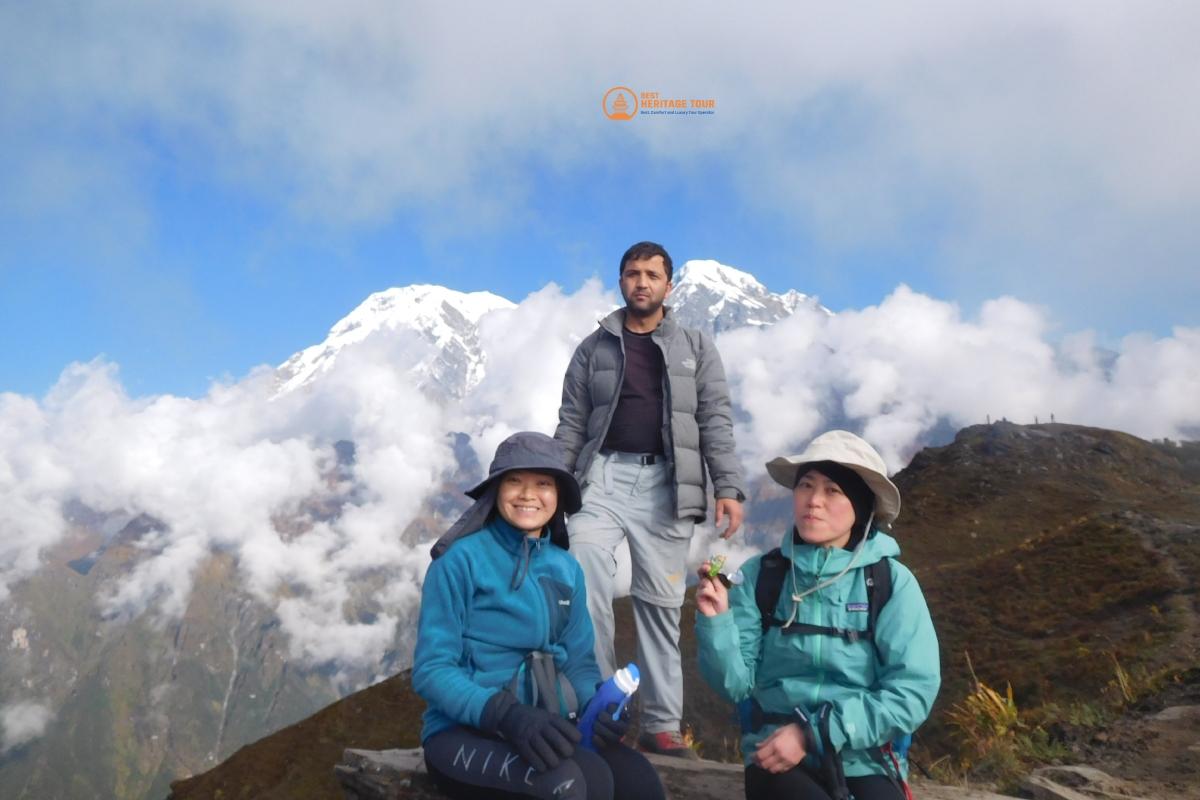
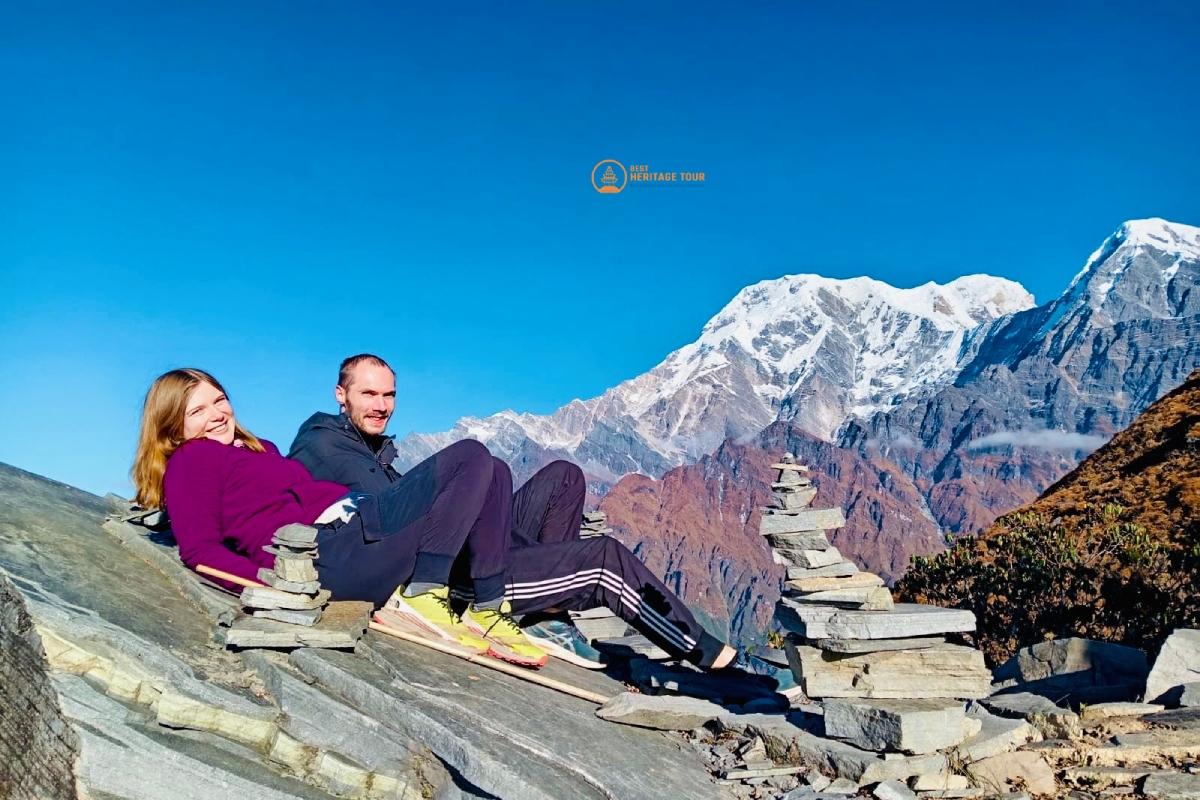
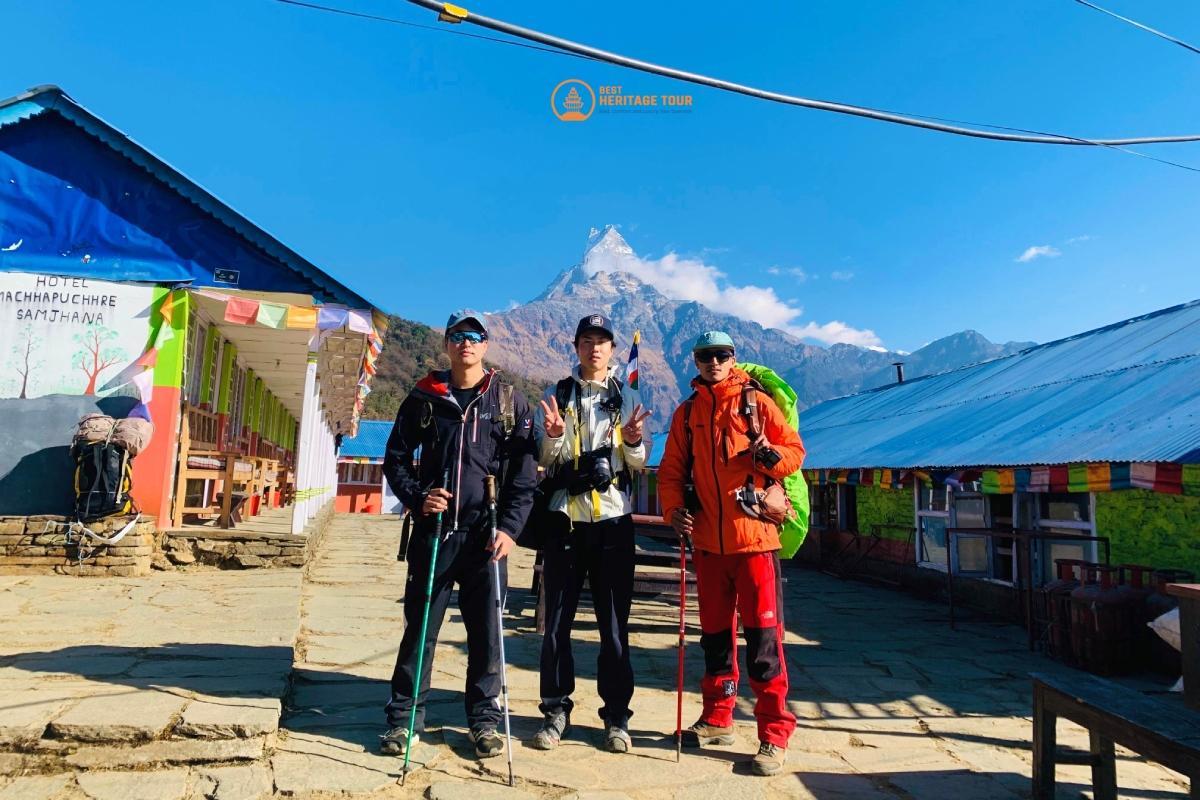
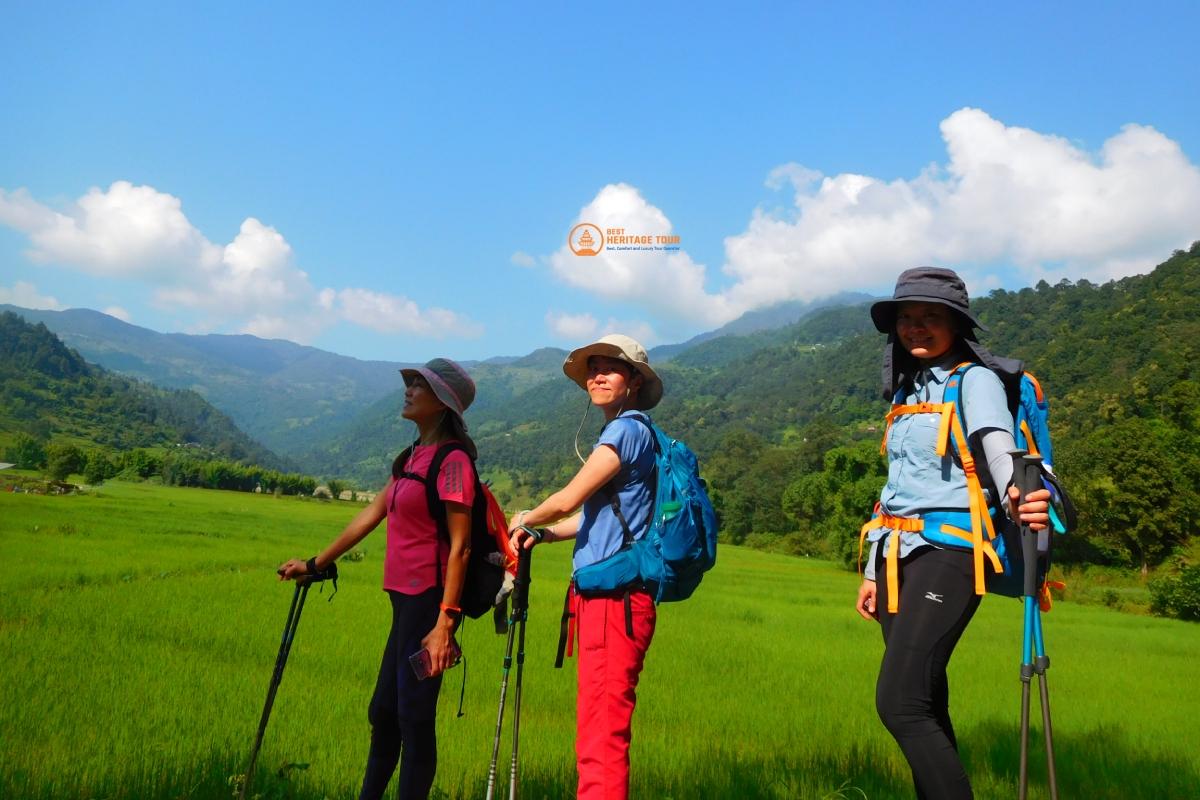
Insight on the Mardi Himal Short Trek
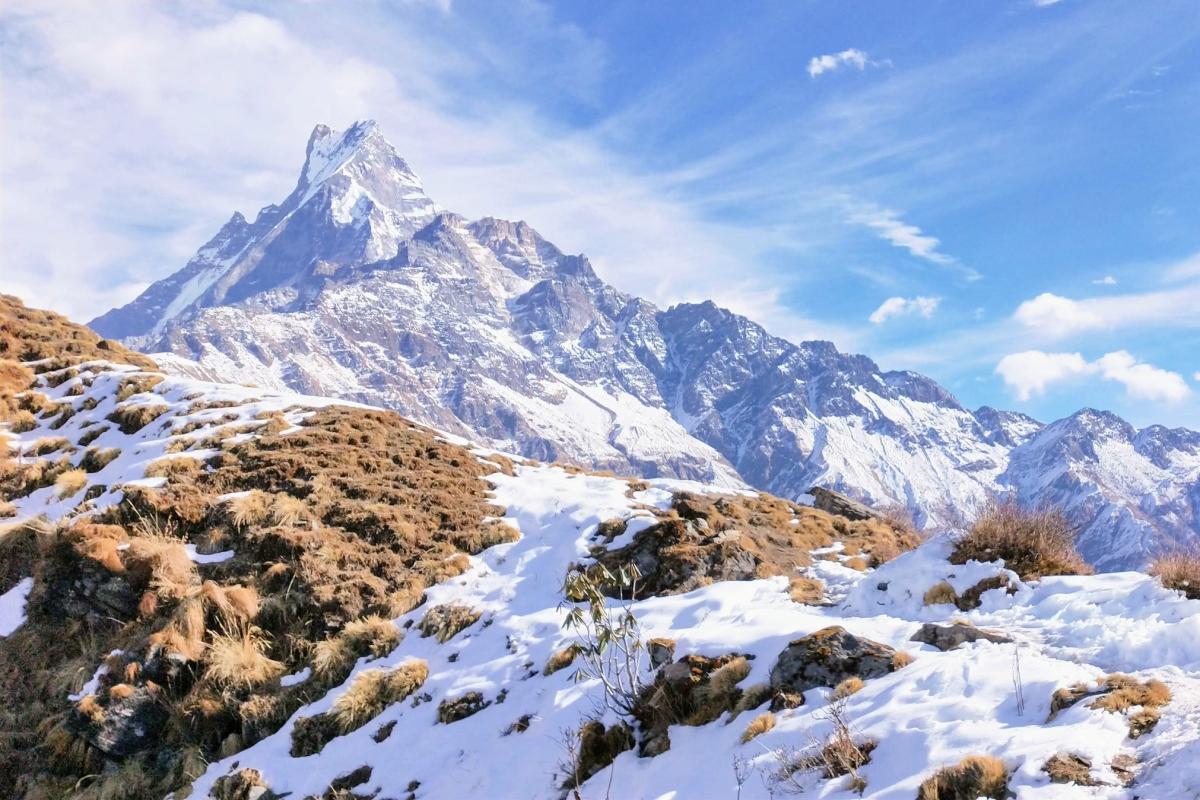
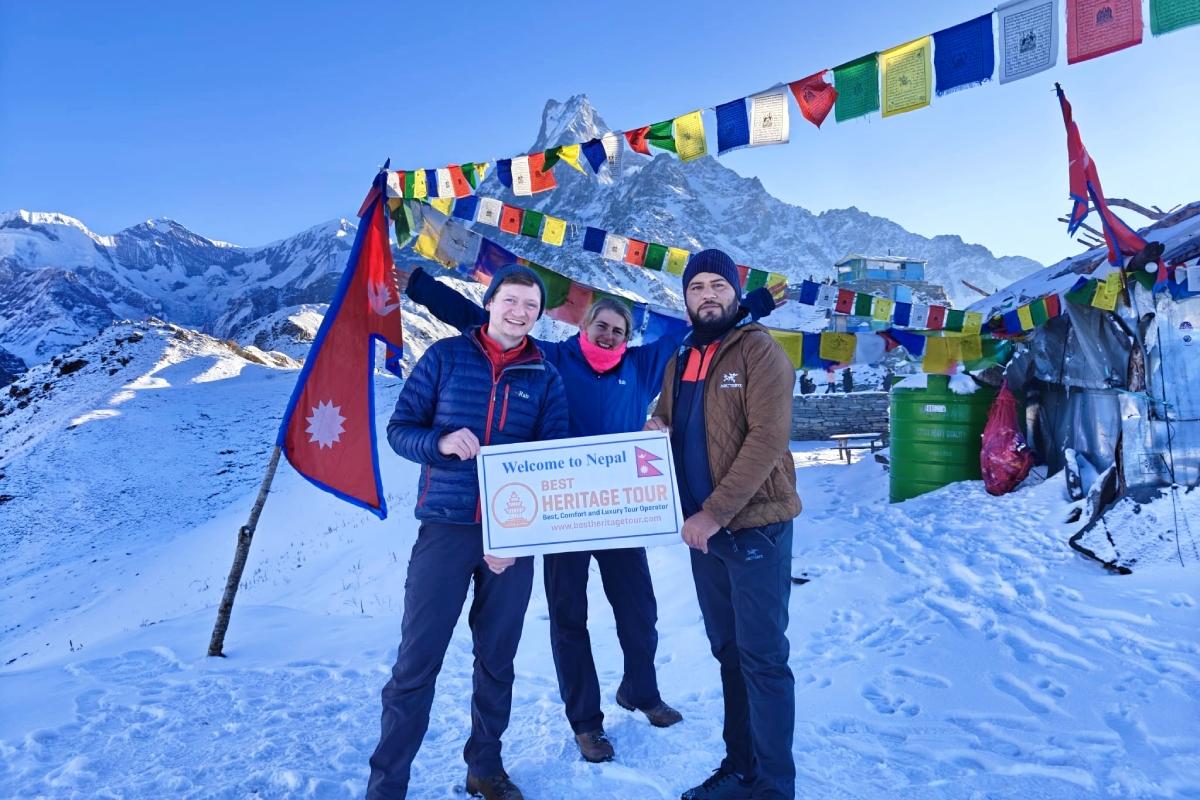
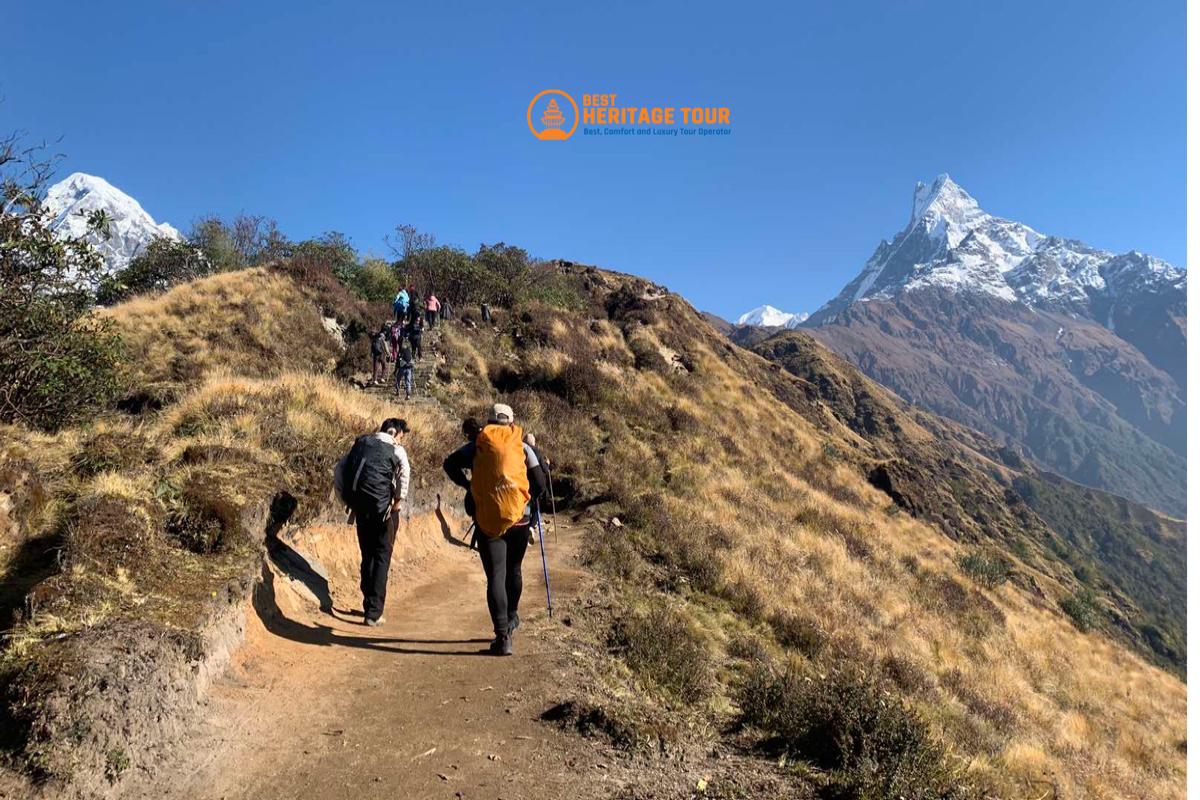
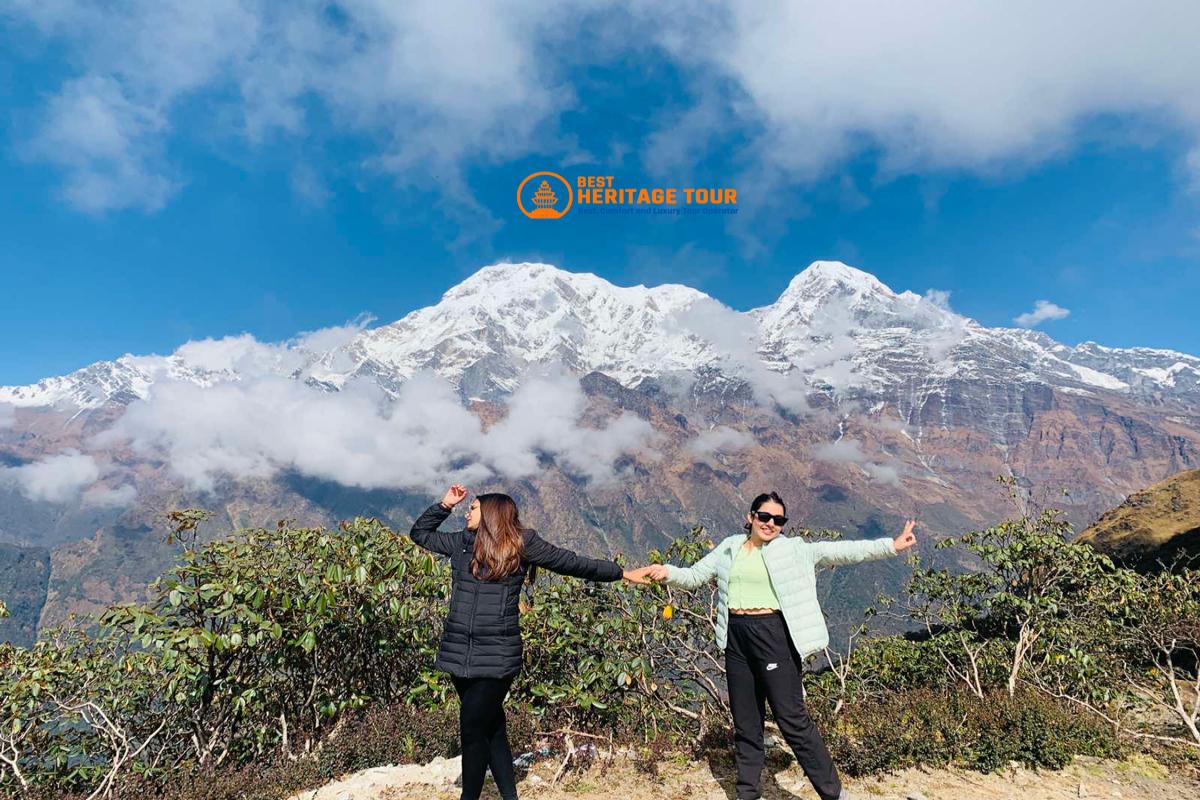
The Short Mardi Himal Base Camp Trek is a 4-day adventure that takes you through the stunning Annapurna region, offering a perfect escape for those short on time but eager to experience the Himalayas. Starting and ending in Pokhara, this trek offers breathtaking views of the Annapurna range, Machhapuchhre (Fishtail), Mardi Himal, and more. Explore traditional Gurung villages, lush forests, and alpine landscapes while reaching Mardi Himal Base Camp at 4,500m. With a moderate difficulty level and flexible itinerary, it's ideal for adventurers seeking a quick but fulfilling Himalayan journey.
Trip at a Glance
-

Country: Nepal
-

Trip grade: Moderate
-

Destination: Mardi Himal Base Camp
-

Activities: Trekking & Exploration
-

Accommodation: Hotel/Lodge/Teahouse
-

Meals: Breakfast, Lunch & Dinner
-
.png)
Transportation: Public & Private Vehicle
-

Maximum altitude: 4500M
-

Group size: 1 - 29 people
-
Trip Start / End: Pokhara - Pokhara
-
.png)
Best Season: Feb-May & Sep–Dec
Key Highlights of the Mardi Himal Short Trek
- A quick 4-day trek, perfect for those short on time but craving adventure
- Awe-inspiring panoramic vistas of the Annapurna range, Machhapuchhre, Mardi Himal, Annapurna South, and Hiunchuli
- Walk through beautiful, peaceful forests of rhododendron, oak, and bamboo
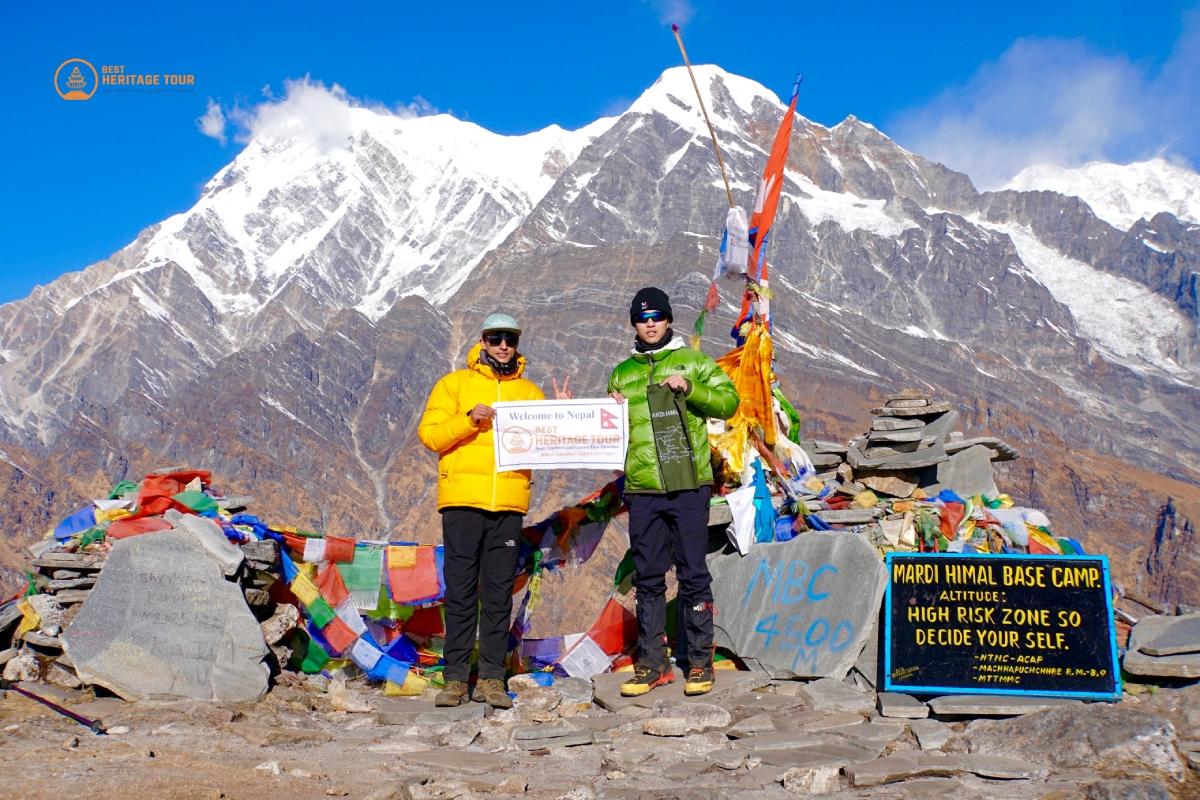
- Reach Mardi Himal Base Camp at 4,500m with breathtaking views
- Visit traditional Gurung villages like Dhampus and Siding
- Quieter, less crowded trekking route
- Gradual ascent for acclimatization and relaxation
- Journey through a stunning mix of lush woodlands and dramatic alpine landscapes
Why Choose Best Heritage Tour for Mardi Himal Short Trek?
- Free airport pick-up and drop-off service
- Online pre-trip briefing and booking confirmation for better preparation
- Multiple communication channels (Phone, Email, WhatsApp, Viber) for easy support
- 24/7 customer support available at +977-9851149197 / +977-9810043046
- Simple and secur e payment options including Cash, Card & Bank Transfer
- Provide essential medical kit and oximeter to monitor oxygen levels at high altitude
- Complimentary duffle bag and sleeping bag (used one & to be returned after the trek)
- Free luggage storage facility at Best Heritage Tour store during the trek
- We plant a tree in the name of travelers (upon request), as a part of our commitment to sustainable tourism.
Mardi Himal Base Camp Route Overview
The Short Mardi Himal Base Camp Trek is a 3-night, 4-day adventure that offers trekkers the opportunity to explore the stunning Annapurna region in a condensed, yet immersive experience. The trek starts from Pokhara, passing through charming Gurung villages, dense forests, and alpine landscapes, ultimately leading to the serene Mardi Himal Base Camp at 4,500 meters. The trek offers wide views of the Annapurna range, Machhapuchhre (Fishtail), Mardi Himal, and nearby mountains. The combination of natural beauty, cultural exploration, and challenging terrain makes it a perfect choice for those seeking a quick yet fulfilling Himalayan adventure.
The Mardi Himal Trek was officially opened in 2011, and since then, it has become a popular trekking route, offering a quieter alternative to the more crowded trails of the Annapurna region. The trek takes you through a variety of landscapes, from lush rhododendron and oak forests to rugged alpine terrain. The trek's highlight is reaching the Mardi Himal Base Camp, where trekkers are rewarded with close-up views of Mardi Himal, Annapurna South, Machhapuchhre, and other peaks. This location offers a peaceful and remote setting, providing trekkers with a true Himalayan experience away from the larger crowds.
As you trek, you'll pass through local villages like Dhampus and Siding, where you can observe the traditional lifestyle of the Gurung people. The area is known for its rich cultural heritage, with the Gurung community being known for their hospitality and connection to the land. The route also offers an opportunity to explore the region's unique flora and fauna, including dense forests of rhododendron, pine, and oak, along with a variety of wildlife.
The trek concludes with a scenic drive back to Pokhara, offering one final chance to appreciate the breathtaking landscapes of the Annapurna region. This trek is ideal for those with limited time who still wish to experience the grandeur of the Himalayas and immerse themselves in the culture and natural beauty of the area.
What Can You Expect During the Mardi Himal Short Trek?
1. Scenic Drive and Warm Himalayan Welcome
Your journey begins with a short and scenic drive from Pokhara followed by a warm welcome in the lower hills of the Annapurna region. The transition from city to countryside offers beautiful views of terraced fields, rivers, and traditional villages, setting the tone for your Mardi Himal adventure.
2. Forest Trails and Rich Biodiversity
As the trek progresses, you will walk through dense rhododendron and oak forests filled with birds, fresh mountain air, and peaceful surroundings. These forest sections between Forest Camp and Low Camp offer a refreshing and immersive natural experience, making the journey both calming and visually rewarding.
3. Gradual Altitude Gain and Changing Landscapes
You will experience a steady rise in altitude as the landscape changes from subtropical forests to alpine terrain. Each day brings noticeable shifts in vegetation, temperature, and scenery, allowing trekkers to naturally adapt while enjoying the diverse beauty of the Mardi Himal trail.
4. Stunning Himalayan Views from High Camp
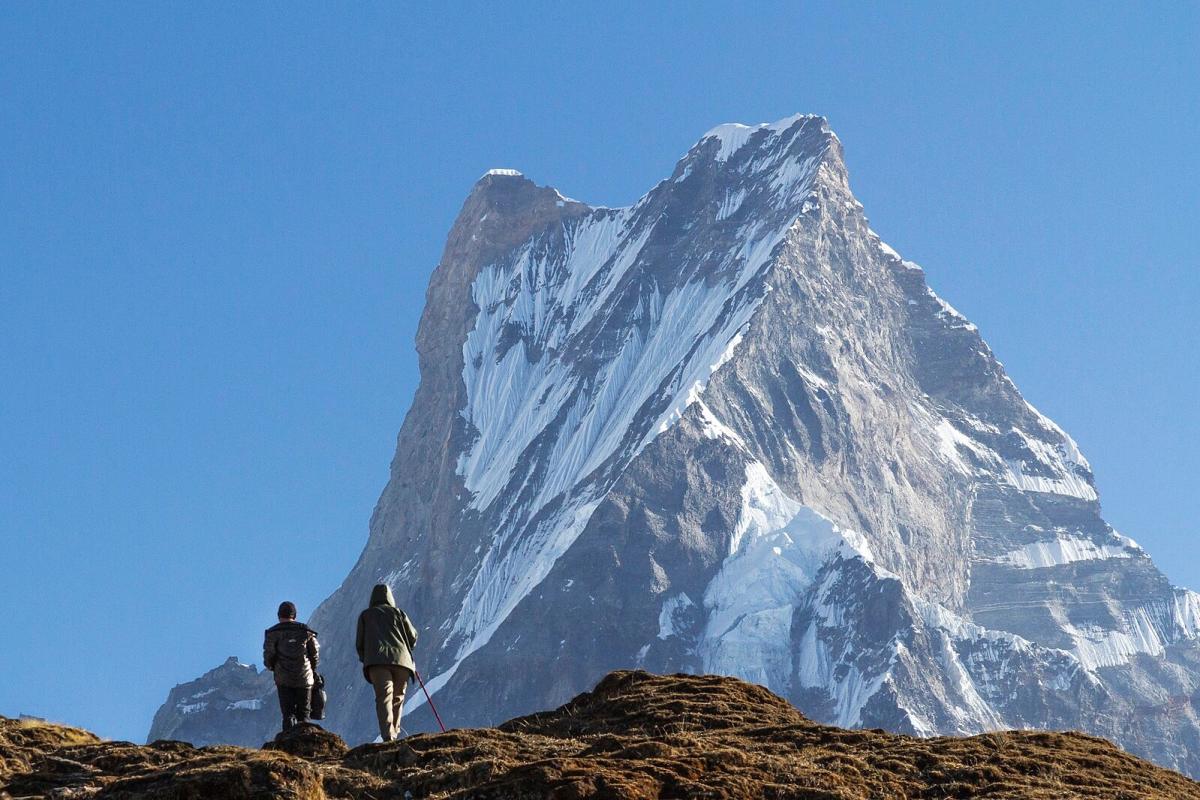
One of the highlights of the trek is reaching High Camp, where panoramic views of Mardi Himal, Machhapuchhre (Fishtail), Annapurna South, and Hiunchuli become visible. Sunrise and sunset views from this point are especially breathtaking and offer some of the best photographic moments of the entire journey.
5. The Rewarding Ascent to Base Camp
The climb to Mardi Himal Base Camp is challenging yet highly rewarding. The trail becomes steeper and more rugged, but the final viewpoint at 4,500 meters offers a close-up Himalayan panorama that makes every step worthwhile. It is the ultimate highlight of the trek.
6. Cultural Encounters and Local Hospitality
Throughout the trek, you will stay in local teahouses run by Gurung and Magar communities, experiencing warm Nepali hospitality. Simple meals, friendly interactions, and traditional mountain village life add cultural depth to your trekking experience, making it more meaningful and memorable.
Are You Ready for the Mardi Himal Short Trek?
The Mardi Himal Short Trek is more than just a physical journey; it is an experience that demands a positive mindset, curiosity, and respect for the mountains. To truly enjoy and immerse yourself in this trek, what matters most is not only fitness, but also mental readiness for changing weather, simple mountain living, and steady uphill walking at a relaxed pace.
Trekkers who make the most of this journey are those who embrace simplicity, stay patient during challenging sections, and appreciate every step - from forest trails to high alpine landscapes. A spirit of adaptability, respect for local culture, and willingness to disconnect from daily comfort makes the experience far more rewarding.
If you come prepared with basic fitness, an open mindset, and a genuine love for nature and mountains, the Mardi Himal Short Trek will offer you one of the most memorable Himalayan adventures in the Annapurna region.
Itinerary
On Day 1, after an early breakfast at your hotel in Pokhara, you embark on a scenic drive to Dhampus (1,650m), a picturesque village offering stunning panoramic views of the Annapurna range. From Dhampus, begin your trek through terraced fields and lush forests of rhododendron, oak, and pine. The trail gradually ascends, offering beautiful views of Machhapuchhre (Fishtail) and the surrounding peaks. After a 1.5 to 2-hour trek, you reach Pothana, a village with even more breathtaking mountain views.
Continue your hike from Pothana to Forest Camp (2,520m), a 4 to 5-hour journey through dense forests of rhododendron and bamboo. Upon arrival at Forest Camp, a serene and peaceful spot surrounded by nature, you settle into a teahouse or lodge for the night. Enjoy a warm meal, relax, and acclimatize while soaking in the tranquility of your surroundings.
After breakfast at Forest Camp (2,520m), begin your steady 4 to 5-hour trek to High Camp (3,580m). The trail ascends gradually through dense rhododendron, bamboo, and oak forests, with a brief stop at Low Camp (2,960m), where you can enjoy great views of the Annapurna range and Machhapuchhre (Fishtail). As you continue, the forest gives way to alpine terrain, offering even more spectacular views. The terrain grows more rugged, offering stunning panoramic views of Annapurna South, Hiunchuli, and Machhapuchhre. Upon reaching High Camp, take in the expansive views and settle into a teahouse or lodge for the night.
On Day 3, begin your adventure with an early morning trek from High Camp (3,580m) to Mardi Himal Base Camp (4,500m), a challenging yet rewarding ascent that takes about 3 to 4 hours. The trail climbs through alpine meadows and rocky paths, offering stunning views of the surrounding peaks, including Machhapuchhre (Fishtail), Annapurna South, and Hiunchuli. Upon reaching Mardi Himal Base Camp, you'll be rewarded with breathtaking panoramic views of the entire Annapurna range. Spend some time enjoying the serene beauty of the area before beginning your descent.
After soaking in the views, descend back to Low Camp (2,960m), a 2 to 3-hour walk that takes you through lush forests and offers a more relaxed pace. Upon arrival at Low Camp (2,520m), you can rest and enjoy the tranquil surroundings. The day’s trek offers a perfect balance of accomplishment and relaxation, with the opportunity to acclimatize and appreciate the natural beauty of the region.
On the final day of your trek, begin your descent from Low Camp (2,520m) to the charming village of Siding (1,750m), a trek that takes about 4 to 5 hours The trail winds through lush forests, terraced fields, and picturesque landscapes, providing a peaceful atmosphere and occasional glimpses of traditional village life. Along the way, enjoy captivating views of the surrounding mountains and serene countryside.
Upon reaching Siding, you’ll have time to explore the village and soak in the natural beauty before boarding a vehicle for a scenic 1.5 to 2-hour drive back to Pokhara.
What is included?
- PRIVATE AIRPORT PICK-UP & DROP : Airport - Hotel transfer - Airport (Pick Up and Drop).
- MEMBER TRANSPORTATION : Private vehicle transportation from Pokhara to Dhampus and while returning from Siding to Pokhara.
- LODGING : Best available accommodation in mountain lodges and tea houses during the trek.
- FOOD : 3 meals a day (breakfast, lunch, and dinner; including tea/coffee) during the trek, with Ef-Chlor purification tablets provided for safe drinking water.
- GUIDE : One experienced government licensed trekking guide (English speaking) during the trek.
- STAFF SALARY AND ALLOWANCE : All trekking staff wages, salary, equipment, food & clothing.
- PERMITS : All necessary paper works: Annapurna Conservation Area permit, TIMS Card & conservation entry fee.
- STAFF INSURANCE : Insurance for all involved trekking staff during the trek.
- GEAR (IF NEEDED) : Sleeping bag, down jacket, and duffle bag (to be returned after the trek).
- MEDICAL KIT : A well equipped first aid kit, including an oximeter and emergency oxygen, carried by the guide for your safety.
- IN CASE OF EMERGENCY : Assistance in rescue operations in case of emergency covered by travel insurance.
- SOUVENIR : Best Heritage Tour’s Appreciation Certificate after the successful trek & Purse, an authentic Nepali product made from hemp.
- FAREWELL DINNER : A farewell dinner with an authentic cultural program after completion of the trek.
What is not included?
- INTERNATIONAL AIRFARE : International flight airfare (from and to Kathmandu).
- NEPAL VISA FEES : You may issue the visa upon your arrival at Tribhuvan International Airport - Kathmandu or apply manually in your home country.
- ACCOMMODATION & MEALS : Accommodation and meals in Pokhara before and after the trek.
- INSURANCE POLICY : Travel insurance covering medical expenses and high-altitude evacuation is mandatory. If you do not have suitable coverage, we can also assist in arranging travel insurance for you upon your arrival in Nepal. Check Over Here
- PERSONAL EXPENSES : Clothing & gears, telephone, internet, toiletries, hot shower, laundry, soft drinks and any Alcoholic beverages.
- OPTIONAL PORTER SERVICE : USD 22 per day, including all taxes (each porter can carry up to 25 kg of luggage).
- TIPS : Tips for guide and porters.
- EXTRA : Any additional costs due to factors beyond our control, or for services not specifically mentioned in the Itinerary & Included section.
- TAXES & SERVICE CHARGE : All government taxes (13%) and service charge (10%).
Route Map
Equipment
Clothing
-
Base layer: Thermal tops and bottoms (optional for winter)
-
Mid layer: Fleece or light jacket
-
Outer layer: Windproof/waterproof jacket and pants
-
Trekking pants / shorts
-
Warm hat / sun hat / cap / buff
-
Gloves (for winter)
-
Underwear & socks
-
Sleepwear
-
Trekking shoes / boots (comfortable for gentle trails)
-
Sandals
Backpack & Accessories
-
Daypack (15–25 L)
-
Rain cover for backpack
-
Trekking poles
-
Sleeping Bag
Personal Items & Toiletries
-
Water bottles / hydration system (min. 1.5 L)
-
Sunglasses & sunscreen
-
Toiletries: Toothbrush, toothpaste, hand sanitizer, soap
-
Quick-dry towel
-
Personal medications / small first-aid kit
Optional Items
-
Camera / smartphone
-
Power bank
-
Notebook / travel journal
-
Snacks
Travel & Documentation
-
Passport & photocopies
-
Travel Insurance documents
Trip Info
Useful Information About the Mardi Himal Short Trek
To ensure a safe, well-prepared, and memorable Mardi Himal Short Trek experience, trekkers are advised to understand key trip details explained below. Having this information in advance helps trekkers prepare physically and mentally, manage expectations, and fully enjoy a smooth, well-organized trekking experience in the Annapurna region.
Airport Pickup and Trip Briefing for the Mardi Himal Short Trek
We provide airport pickup and drop-off service in Kathmandu for your convenience. Upon your arrival at Tribhuvan International Airport, our Best Heritage Tour representative will be waiting to welcome you.
To honor Nepali hospitality, we offer a traditional Khada (ceremonial scarf) as a warm welcome gesture. After meeting you at the airport, we will safely transfer you to your hotel in Kathmandu using a private car or suitable vehicle depending on group size.
Trip Briefing Session
Before the trek begins, we arrange a detailed trip briefing session at our office in Thamel, Kathmandu (subject to your available time). During this session, we provide complete information about the Mardi Himal Short Trek, including the itinerary, preparation tips, safety guidelines, and packing advice.
If you are unable to attend the Kathmandu briefing, our trekking guide will conduct a full briefing in Pokhara before the trek starts. This ensures that all essential information is clearly communicated, and you are fully prepared for the journey ahead.
What Type of Transportation Is Used for the Mardi Himal Short Trek?
For the Mardi Himal Short Trek, we provide transportation by private vehicle for a comfortable and a smooth and efficient journey between Pokhara and the trek's starting and ending points. The trek begins with a private drive from Pokhara to Dhampus and concludes with a private transfer from Siding back to Pokhara.
Using a private vehicle allows for a smoother travel experience, greater flexibility, and a more comfortable ride compared to public transportation.
Route and Vehicle Used for Mardi Himal Short Trek
|
Route |
Mode of Transport |
Distance |
Travel Time |
|---|---|---|---|
|
Pokhara → Dhampus (Day 1) |
Private Car |
~20 km / 12 miles |
45 Minutes to 1 Hour |
|
Siding → Pokhara (Day 4) |
Private Car |
~35 km / 22 miles |
1.5 to 2 Hours |
What Is the Maximum Altitude Reached During the Mardi Himal Short Trek?
The highest point reached during the Mardi Himal Short Trek is Mardi Himal Base Camp at 4,500 meters (14,764 feet) above sea level. From this spectacular viewpoint, trekkers can enjoy breathtaking views of Mardi Himal, Machhapuchhre (Fishtail), Annapurna South, Hiunchuli, and the surrounding Himalayan landscape.
While the trek is shorter than many other Annapurna region treks, it involves a steady ascent through forests, ridgelines, and alpine terrain before reaching the base camp. The gradual elevation gain allows trekkers to experience diverse landscapes while ascending to one of the finest viewpoints in the region.
Day-by-Day Elevation Breakdown During Mardi Himal Short Trek
To help our guests understand the altitude progression throughout the trek, here is the daily maximum elevation reached on our 4-day Mardi Himal Short Trek itinerary:
|
Day |
Trail Section |
Maximum Altitude Reached |
|---|---|---|
|
Day 1 |
Pokhara → Dhampus → Forest Camp |
2,520 m / 8,268 ft |
|
Day 2 |
Forest Camp → High Camp |
3,580 m / 11,745 ft |
|
Day 3 |
High Camp → Mardi Himal Base Camp → Low Camp |
4,500 m / 14,764 ft |
|
Day 4 |
Low Camp → Siding → Pokhara |
2,520 m / 8,268 ft (Low Camp) |
What Is the Altitude of Mardi Himal Base Camp?
Mardi Himal Base Camp is situated at an elevation of 4,500 meters (14,764 feet) and serves as the highest point of the trek. Reaching the base camp is the ultimate highlight of the journey, rewarding trekkers with unparalleled views of the Annapurna massif and the iconic Machhapuchhre (Fishtail) Peak.
What Is the Total Distance Covered on the Mardi Himal Short Trek?
The Mardi Himal Short Trek covers a combination of scenic mountain drives and rewarding trekking trails through the Annapurna region. Including both transportation and walking sections, the total distance covered during this 4-day adventure is approximately 83 km (51 miles).
What Is the Total Driving Distance on the Mardi Himal Short Trek?
The total driving distance on this trek is approximately 55 km (34 miles), including:
-
Pokhara to Dhampus: ~20 km (12 miles)
-
Siding to Pokhara: ~35 km (22 miles)
All transportation is provided by private car for a comfortable and convenient travel experience.
What Is the Total Trekking Distance Covered on the Mardi Himal Short Trek?
The total trekking distance is approximately 28 km (17.4 miles). The trail passes through rhododendron forests, ridgeline paths, high alpine terrain, and spectacular Himalayan viewpoints before reaching Mardi Himal Base Camp at 4,500 m (14,764 ft).
Day-by-Day Distance & Walking Time on Mardi Himal Short Trek
|
Day |
Specific Route Segment |
Distance Covered |
Duration |
|---|---|---|---|
|
Day 1 |
Pokhara → Dhampus (Drive) → Forest Camp (Trek) |
~20 km / 12 miles (Drive)~6 km / 3.7 miles (Trek) |
1 Hour Drive |
|
Day 2 |
Forest Camp → High Camp |
~7 km / 4.3 miles |
4 to 5 Hours |
|
Day 3 |
High Camp → Mardi Himal Base Camp → Low Camp |
~10 km / 6.2 miles |
7 to 8 Hours |
|
Day 4 |
Low Camp → Siding (Trek) → Pokhara (Drive) |
~5 km / 3.1 miles (Trek)~35 km / 22 miles (Drive) |
2 to 3 Hours Trek |
Note: Distances and walking durations are approximate and may vary depending on trail conditions, weather, and individual trekking pace.
What Type of Accommodation Is Available on the Mardi Himal Short Trek?
Accommodation on the Mardi Himal Short Trek is simple, comfortable, and designed to suit the mountain environment. Trekkers stay in locally operated teahouses along the route, while accommodation in Pokhara is arranged separately.
Accommodation in Pokhara
We do not include accommodation in Pokhara (before and after the trek) in the standard package. However, we can assist you in booking hotels in Pokhara based on your budget and preference, ranging from budget-friendly stays to luxury hotels.
Accommodation During the Mardi Himal Short Trek
During the trek, accommodation is provided in traditional teahouses/lodges, offering basic but comfortable facilities:
-
1 Night in Forest Camp: Teahouse accommodation with private room and shared bathroom
-
1 Night in High Camp: Teahouse accommodation with private room and shared bathroom
-
1 Night in Low Camp: Teahouse accommodation with private room and shared bathroom
These teahouses provide a warm and welcoming atmosphere, allowing trekkers to rest and experience local hospitality in the Annapurna region.
Facilities in Teahouses Along the Mardi Himal Trek Trail
Below is an overview of common facilities available in teahouses during the Mardi Himal Short Trek.
|
Major Stop |
Facility |
||||
|---|---|---|---|---|---|
|
|
Toilet |
Hot Shower |
Wi-Fi |
Charging |
Mobile Network |
|
Forest Camp |
Sharing |
Available |
Available |
Available |
NTC works very good |
|
High Camp |
Sharing |
Available |
Available |
Available |
NTC works very good |
|
Low Camp |
Sharing |
Available |
Available |
Available |
NTC works very good |
Food and Drinks on the Mardi Himal Short Trek
During the Mardi Himal Short Trek, trekkers are provided with simple, freshly prepared meals at local teahouses along the route. The food is hygienic, filling, and designed to support the energy required for daily trekking in the Himalayas.
Our standard package includes Breakfast, Lunch, and Dinner, along with 2-3 cups of tea or coffee per day to keep you energized throughout the trek.
Meals are arranged in a structured way for convenience:
-
Breakfast: Served at the teahouse where you stay overnight
-
Lunch: Taken en route at local teahouses during the day’s walk
-
Dinner: Served at the teahouse where you stay for the night
Ordering and Meal Policy
Trekkers are generally allowed to choose one main dish per meal from the available menu. If trekkers wish to order additional dishes, snacks, or extra beverages beyond the standard meal plan, these will need to be paid for directly by the trekkers themselves.
Available Menu Options on the Mardi Himal Trail
|
Meal |
Standard Teahouse Offerings |
|
Breakfast |
Oatmeal, porridge, Tibetan fried bread, eggs (scrambled, fried, or omelets), pancakes, muesli, chapati, toast, etc. |
|
Lunch |
Traditional Dal Bhat (rice, lentil soup, vegetables), chowmein, seasonal pasta, momo (dumplings), thukpa (noodle soup), and potato-based dishes |
|
Dinner |
Vegetable curries with rice, stir-fried noodles, soups (garlic, vegetable, noodle), dal bhat sets, and simple baked or fried bread items |
Dal Bhat: Why Every Trekker Loves Dal Bhat?
Dal Bhat is the most popular and highly recommended meal on the Mardi Himal Short Trek. It is a traditional Nepali set meal consisting of rice, lentil soup, vegetables, and sometimes pickles. Trekkers love it because it is nutritious, fresh, and provides long-lasting energy needed for high-altitude walking.
We strongly recommend having Dal Bhat at least once a day, especially during lunch, as it is unlimited in most teahouses and helps maintain stamina throughout the trek.
Drinks and Hydration Available on the Trail
A variety of drinks are available along the Mardi Himal trekking route, including:
-
Tea (milk tea, black tea, ginger tea) & coffee
-
Hot lemon & Soups
-
Bottled or boiled water
Staying well-hydrated is very important during the trek, especially at higher altitudes, so we encourage trekkers to drink regularly throughout the day.
Is Vegan and Vegetarian Food Available on the Mardi Himal Trail?
Yes, vegan and vegetarian food options are widely available on the Mardi Himal Short Trek. Most teahouses offer vegetable-based meals such as dal bhat, fried rice, noodles, soups, and potatoes, which can easily be prepared without meat or animal products.
If trekkers have any food allergies or specific dietary requirements, we strongly recommend informing us before the trip, so we can make necessary arrangements with the trekking staff and teahouses along the route.
How is the Drinking Water Facilities on the Mardi Himal Short Trek?
Drinking water is easily available along the Mardi Himal Short Trek route. Trekkers can access water at teahouses and lodges throughout the trail, including Forest Camp, High Camp, and Low Camp. However, it is highly recommended to use safe drinking options such as boiled water or purified bottled water to avoid any health issues during the trek.
How Much Does Hot Drinking Water Cost on the Mard Himal Trek?
Hot drinking water is available at all major teahouses along the route. The cost varies depending on altitude and location.
|
Location |
Hot Water Cost (Per 250 ml Cup) |
|---|---|
|
Forest Camp |
NPR 50-80 |
|
High Camp |
NPR 80-100 |
|
Low Camp |
NPR 50-80 |
How Much Does Bottled Mineral Water Cost on This Trek?
Bottled mineral water is also available along the trail, but prices increase with altitude due to transportation difficulty.
|
Location |
Bottled Water Cost (1 Liter) |
|---|---|
|
Forest Camp |
NPR 100-150 |
|
High Camp |
NPR 150-250 |
|
Low Camp |
NPR 100-150 |
For environmental reasons, we highly encourage trekkers to use reusable bottles and refill with boiled or filtered water whenever possible during the Mardi Himal Short Trek.
When Is the Best Time for the Mardi Himal Short Trek?
The best time for the Mardi Himal Short Trek largely depends on weather conditions, mountain visibility, and trail comfort. The best time for the Mardi Himal Trek is definitely the Spring Season (March to May) and Autumn Season (September to November).
Spring Season (March to May) - Best Time for Mardi Himal Trek
Spring is one of the most recommended seasons for the Mardi Himal Short Trek. The weather in Mardi Himal during this period is generally stable, with clear mornings and mild afternoons. The trail is beautifully decorated with blooming rhododendron forests, especially between Forest Camp and High Camp.
Pros:
-
One of the best times for Mardi Himal trek with stable weather
-
Clear Himalayan views of Mardi Himal and Machhapuchhre
-
Rhododendron forests in full bloom
-
Pleasant trekking temperatures
Cons:
-
Moderate trail traffic during peak spring months
-
Advance booking required for accommodation and guides
Autumn Season (September to November) - Best Overall Weather in Mardi Himal
Autumn is widely considered the best season for the Mardi Himal trek due to its post-monsoon clarity and stable weather. The skies are usually crystal clear, offering the best visibility of the Annapurna range. The trekking trails are dry, making the journey safer and more comfortable.
Pros:
-
Best mountain visibility and ideal trekking weather in Mardi Himal
-
Dry, stable, and safe trekking trails
-
Excellent photography conditions
-
Comfortable daytime temperatures
Cons:
-
Peak trekking season with more tourists
-
Early booking is highly recommended
Monsoon / Summer Season (June to August) - Green & Quiet Trails
The monsoon season brings heavy rainfall to the Mardi Himal region, transforming the trail into a lush green paradise. The forests become dense and vibrant, and waterfalls are active along the route. However, clouds often block mountain views during this period.
Pros:
-
Lush greenery and rich biodiversity
-
Very quiet trails with fewer trekkers
-
Fresh and scenic forest environment
Cons:
-
Frequent rainfall and slippery trails
-
Limited visibility of mountains due to clouds
-
Possible travel delays
Is it possible to do Mardi Himal Trek during Monsoon Season?
Yes, it is possible to do the Mardi Himal Short Trek during monsoon season. However, due to unpredictable weather in Mardi Himal, rain, and reduced visibility, it is recommended for flexible trekkers who can adapt to changing conditions.
Winter Season (December to February) - Cold but Clear Himalayan Views
Winter offers a completely different experience of the Mardi Himal Short Trek. The weather in Mardi Himal becomes cold, especially at High Camp and Base Camp, but the skies are often very clear. Snow may cover higher sections of the trail, adding a magical alpine atmosphere.
Pros:
-
Extremely clear and stunning mountain views
-
Peaceful trekking routes with fewer crowds
-
Beautiful snow-covered landscapes at higher altitude
Cons:
-
Very cold temperatures at higher elevations
-
Possibility of snowfall affecting trails
-
Requires proper winter gear and preparation
Is it possible to do Mardi Himal Trek during Winter Season?
Yes, the Mardi Himal Short Trek is possible during winter. With proper preparation, warm clothing, and guidance from experienced guides, it can be a safe and rewarding Himalayan trekking experience.
Documents Required for the Mardi Himal Short Trek
For the Mardi Himal Short Trek, trekkers are required to carry a few essential documents to ensure a smooth, legal, and hassle-free trekking experience in the Annapurna region.
1. Nepal Visa for Mardi Himal Short Trek
All foreign nationals (except Indian citizens) must obtain a Nepal visa to enter the country. The visa can be easily acquired upon arrival at Tribhuvan International Airport in Kathmandu or at designated land entry points.
Key Information:
-
Duration: 15, 30, or 90 days (15 days is generally sufficient for tourism activities)
-
Fees: 15 days - USD 30 | 30 days - USD 50 | 90 days - USD 125
-
Requirements: Valid passport (minimum 6 months validity), completed visa form, passport-size photo, and visa fee payment (cash in USD/EUR/GBP/NPR)
Some nationalities may not be eligible for visa on arrival and are required to obtain a visa in advance through the Nepalese Embassy or Consulate in their home country.
2. Travel Insurance for Mardi Himal Short Trek
Travel insurance is mandatory for the Mardi Himal Short Trek. Due to the high-altitude nature of the trek, insurance must cover trekking activities and emergency situations.
Your insurance should include:
-
High-altitude trekking coverage (above 4,500 m)
-
Emergency helicopter evacuation
-
Medical treatment and hospitalization
-
Trip cancellation or interruption coverage
We require a copy of your insurance policy to issue a permit.
What are the Permits Required for the Mardi Himal Trek?
Two essential permits are required for the Mardi Himal Short Trek, as it lies within the Annapurna Conservation Area.
-
ACAP Permit (Annapurna Conservation Area Permit)
-
TIMS Card (Trekkers’ Information Management System)
We handles both ACAP and TIMS permits on behalf of our guests, ensuring a smooth and worry-free trekking process.
How Difficult Is the Mardi Himal Short Trek?
The Mardi Himal Short Trek is considered a moderate-level trek in the Annapurna region. It is suitable for trekkers with a reasonable level of fitness and some prior walking or hiking experience, although it does not require technical climbing skills.
While the trek is relatively short, the rapid gain in altitude over a few days can make certain sections more challenging, especially near High Camp and the route to Base Camp. However, with proper pacing and guidance from our experienced trekking team, most trekkers can successfully complete this journey.
Key Factors That Affect Difficulty of Mardi Himal Trek
-
High Altitude (up to 4,500 m): Reduced oxygen levels can make walking more tiring at higher elevations
-
Steep Ascents and Descents: Some trail sections involve continuous uphill and downhill walking
-
Daily Walking Duration: Trekkers walk approximately 4 to 7 hours per day
-
Weather Conditions: Cold, rain, or snow can increase trail difficulty depending on the season
-
Trail Conditions: Forest paths, rocky sections, and narrow ridgelines require careful footing
-
Physical Fitness Level: A basic level of stamina and endurance is recommended for a comfortable experience
Is the Mardi Himal Short Trek Beginner-Friendly?
Yes, the Mardi Himal Short Trek is considered beginner-friendly, especially for trekkers who are reasonably fit and prepared for daily walking in the mountains. Although the route reaches a high altitude of 4,500 m (14,764 ft), it does not involve technical climbing, making it accessible for first-time trekkers in Nepal.
With proper pacing, guidance from experienced trekking staff, and gradual acclimatization, even beginners can comfortably complete this trek.
What Makes Mardi Himal Short Trek Beginner-Friendly and Family-Friendly?
The trek is suitable for beginners and families because it is a short 4-day journey with well-marked trails, moderate daily walking hours (4-7 hours), and no technical climbing requirements. Trekkers stay in comfortable teahouses along the route, and our experienced guides ensure a safe, supportive, and manageable pace throughout the trek.
It is especially ideal for active travelers and families who want to experience the Himalayas without undertaking a long or difficult expedition.
Overall, the Mardi Himal Short Trek is an excellent beginners and families friendly trek in Annapurna region looking to experience the beauty of the Annapurna region without undertaking a long or technically demanding expedition.
What Are the Essential Gears to Pack for the Mardi Himal Short Trek?
For the Mardi Himal Short Trek, trekkers should carry essential gear that ensures comfort, safety, and adaptability to changing mountain weather conditions. Basic essentials include layered clothing, a warm down jacket, trekking boots, gloves, a hat, sunglasses, and a rainproof jacket. A comfortable daypack, reusable water bottle, sunscreen, and personal medications are also highly recommended for the journey.
We always advise our guests to travel light but well-prepared, as weather in the Mardi Himal region can change quickly from warm forest trails to cold alpine conditions near High Camp and Base Camp.
For a complete packing list, we recommend referring to our detailed equipment guide on: Mardi Himal Packing List.
Physical Fitness Required for the Mardi Himal Short Trek
The Mardi Himal Short Trek is a moderate-level adventure that requires a basic to reasonable level of physical fitness. While no technical trekking experience is needed, trekkers should be prepared for daily walks of 4-7 hours, including uphill and downhill sections on varied terrain. The trek is suitable for beginners as well, provided they follow a simple physical preparation plan before arrival.
For beginners, we recommend focusing on cardio endurance, leg strength, and regular walking practice. With proper preparation, even first-time trekkers can comfortably complete this journey to Mardi Himal Base Camp.
How to Prepare Physically for Mardi Himal Short Trek?
-
Start regular walking or hiking practice (at least 30-60 minutes daily)
-
Include cardio exercises such as jogging, cycling, or swimming to build stamina
-
Practice uphill walking or stair climbing to strengthen leg muscles
-
Do light strength training focusing on legs and core stability
-
Try short weekend hikes with a backpack to get used to carrying weight
Health and Safety on the Mardi Himal Short Trek
The Mardi Himal Short Trek is generally a safe trekking route in the Annapurna region when undertaken with proper guidance and preparation. At Best Heritage Tour, your safety is our top priority. All treks are led by experienced and government-licensed trekking guides who are trained in basic first aid and mountain safety.
Our guides are skilled in recognizing early symptoms of Acute Mountain Sickness (AMS) and carry essential safety equipment, including a basic first aid kit and a portable oximeter to monitor oxygen levels during the trek. Regular health checks and close monitoring ensure a safe and well-managed trekking experience for all guests.
How Safe is the Mardi Himal Short Trek?
The Mardi Himal Short Trek is considered safe for most trekkers when guided properly. The trail is well-established and frequently used, and our professional guides ensure safe pacing, route navigation, and continuous support throughout the journey. With proper supervision and gradual ascent, risks are significantly minimized.
Is There Any Risk of AMS on the Mardi Himal Short Trek?
Yes, there is a moderate risk of AMS (Altitude Sickness) because the trek reaches a maximum altitude of 4,500 m (14,764 ft) at Mardi Himal Base Camp. However, as this is a short trek with a relatively quick ascent, proper guidance and pacing are essential. Our team closely monitors trekkers to identify early symptoms such as headache, dizziness, or fatigue.
How to Prevent AMS on the Mardi Himal Short Trek?
-
Ascend gradually and follow your guide’s instructions
-
Stay well-hydrated throughout the trek
-
Avoid alcohol and smoking during the trek
-
Walk at a steady, comfortable pace without rushing
-
Take regular rest breaks during ascents
-
Inform your guide immediately if you feel any discomfort or symptoms
-
Consider proper acclimatization and avoid overexertion
With the right preparation and professional guidance from Best Heritage Tour, the Mardi Himal Short Trek remains a safe and rewarding Himalayan adventure for trekkers of all experience levels.
Porter and Luggage Management for the Mardi Himal Short Trek
At Best Heritage Tour, we aim to make your Mardi Himal Short Trek comfortable and well-organized by offering flexible porter and luggage management options. This allows trekkers to focus on the journey while ensuring their belongings are handled safely.
Porter Service for Mardi Himal Short Trek
Our standard trekking package does not include porter service by default. However, it is available upon request for added convenience.
-
Porter service cost: USD 22 per day
-
Maximum carrying capacity: Up to 25 kg per porter
-
Sharing option: One porter can be shared between one or two trekkers
-
We provide a duffle bag to safely pack and carry trekking gear
Using a porter is highly recommended for trekkers who prefer a lighter and more comfortable trekking experience, especially on uphill sections to High Camp and Mardi Himal Base Camp.
Luggage Storage
We provide a free luggage storage facility at our office in Kathmandu. Trekkers can safely leave their extra bags and non-essential items before traveling to Pokhara for the trek.
Additionally, many hotels in Pokhara also offer luggage storage services. We recommend confirming this with your hotel if you prefer storing items locally during your stay.
Mardi Himal Short Trek Cost for 2026 & 2027
The Mardi Himal Short Trek cost for 2026 and 2027 depends on the level of service, itinerary design, accommodation standard, and the trekking agency providing the package. At Best Heritage Tour, we offer this trek with a high-quality standard service at just USD 390 per person, ensuring a safe, comfortable, and well-organized Himalayan experience.
We also provide special group discounts for families, friends, couples, and private group departures.
Group Price for Mardi Himal Short Trek
|
Number of Trekkers |
Price Per Person (USD) |
|---|---|
|
1 pax (Solo Trek) |
USD 390 |
|
2-4 pax |
USD 295 |
|
5-6 pax |
USD 280 |
|
7-10 pax |
USD 260 |
|
11-16 pax |
USD 250 |
|
17-29 pax |
USD 230 |
Note:
-
Extra 13% Government Tax and 10% Service Charge are not included in the above prices
-
Porter cost is not included in the package price
For larger groups or customized itineraries, we can further tailor the Mardi Himal Short Trek cost for 2026 & 2027 based on specific requirements and service preferences.
How Much Money to Carry for Extra & Personal Expenses on the Mardi Himal Short Trek?
For the Mardi Himal Short Trek, trekkers should carry additional cash for personal expenses such as drinks, snacks, hot showers, Wi-Fi, charging, and other incidental costs along the trail. On average, it is recommended to budget around USD 15-20 per day or more, depending on individual spending habits and comfort preferences.
For the full 4-day trek, this comes to an approximate total of USD 60-100 per person for extra expenses. Since there are no ATMs available along the trekking route, we strongly recommend carrying sufficient cash in Nepali Rupees before starting the trek.
How Much to Tip Guide and Porter During the Mardi Himal Short Trek?
Tipping is a well-established tradition in Nepal’s trekking industry and is a meaningful way to appreciate the hard work, dedication, and support of your trekking crew. While it is not compulsory, it is strongly encouraged as a gesture of gratitude for the services provided throughout the Mardi Himal Short Trek.
In general, trekkers usually allocate around 10-15% of the total trekking cost, depending on service quality, group satisfaction, and overall trekking experience.
How Much to Tip the Guide on the Mardi Himal Short Trek?
Your trekking guide plays a key role in ensuring a safe, smooth, and well-managed journey. From route navigation and safety monitoring to cultural explanation and daily coordination, the guide is with you throughout the trek.
Suggested Guide Tip:
-
Around USD 10-15 per day per group
-
For a 4-day trek, this usually totals approximately USD 40-60 per group
Many trekkers choose to tip more when the guide provides exceptional support, care, and assistance during the trek.
How Much to Tip the Porter on the Mardi Himal Short Trek?
Porters are an essential part of the trekking team, responsible for carrying luggage so trekkers can enjoy the trail comfortably with just a daypack.
Suggested Porter Tip:
-
Around USD 5-10 per day per porter (from the group)
-
For a 4-day trek, this generally comes to USD 20-40 per porter
Additional appreciation is often given in cases of challenging weather, heavy loads, or extra assistance.
Group Tipping Practice
For group treks, it is customary for all members to collectively contribute a single tip amount for both the guide and porter(s). This is typically handed over at the end of the trek as a respectful thank-you for their dedication, safety support, and hard work throughout the Mardi Himal Short Trek.
Booking & Payment for Mardi Himal Short Trek
Booking your Mardi Himal Short Trek with Best Heritage Tour is simple, secure, and well-organized. To confirm your trip, a 20% deposit of the total trip cost is required at the time of booking, while the remaining balance must be settled before the trek departure in Kathmandu or Pokhara. We accept cash, bank transfer, or card. Please note that bank transfers and card payments incur a 4% processing fee; must be covered by the trekker. All booking and cancellation terms are clearly explained by Best Heritage Tour staff during the booking process and can also be reviewed on our website.
Bank transfer:
-
Account Name: Best Heritage Tour And Treks Pvt. Ltd.
-
Account Number: 13201040254106
-
Bank Name: Nepal Investment Mega Bank Ltd.
-
Address: Thamel, Kathmandu, Nepal
-
SWIFT Code: NIBLNPKT
-
Bank Transfer Link: www.bestheritagetour.com/payment
Once we receive the deposit, we will issue the official invoice and booking conformation right away. If you need any clarification, we are happy to answer your questions or provide additional details you may require.
Last-Minute Booking for Mardi Himal Short Trek
For travelers planning on short notice, Best Heritage Tour accepts last-minute bookings up to 24 hours before departure. In such cases, full payment (100% of the trip cost) is required at the time of booking. Trekkers should be aware that accommodation, logistics, and services may be limited, and the company cannot be held responsible for any compromises arising from late arrangements.
Flexible Trip Extension for Mardi Himal Short Trek
If you wish to extend your adventure beyond the Mardi Himal Trek, we offers several exciting options. You can explore nearby trekking routes in Annapurna region or other remote regions of Nepal for a broader Himalayan experience. Cultural tours around Kathmandu Valley, visits to Lumbini, or relaxing stays in Pokhara can also be arranged.
Our team will help customize your itinerary to match your interests, schedule, and fitness level, ensuring a seamless and memorable extension to your adventure.
Why Choose the Mardi Himal Short Trek (4 Days)?
-
Quickest Route: The quickest itinerary for the Mardi Himal Trek.
-
Same Adventure, Shorter Duration: Enjoy the thrill of the long Mardi Himal Trek in a compact timeframe.
-
Less Crowded Path: Explore a quieter, less-traveled trail compared to the longer routes.
-
Flexible Starting Points: The short trek can be easily started from either Pokhara or Kathmandu.
-
Multiple Itinerary Options: Available itineraries of 5, 6, 7, and 10 days cater to different preferences.
-
Convenience of Starting from Pokhara: The trek can also begin conveniently from Pokhara, offering more flexibility.
Sustainable and Responsible Tourism on the Annapurna Region
The Mardi Himal Short Trek passes through beautiful mountain landscapes, traditional villages, and sensitive Himalayan ecosystems that deserve protection. We encourage trekkers to travel responsibly by minimizing plastic waste, carrying reusable water bottles, respecting local cultures and religious sites, staying on designated trails, and supporting locally operated teahouses and businesses whenever possible.
At Best Heritage Tour, we are committed to sustainable and responsible tourism. We strictly follow the "Leave No Trace" principles on all our treks and actively promote eco-friendly travel practices. As part of our environmental commitment, we plant a tree in the name of travelers (upon request), as a part of our commitment to sustainable tourism.
Review
T
A memorable Mardi Himal trek with best heritage tour
After finishing my Annapurna Circuit trek, I trekked the Mardi Himal. It was an excellent addition to my Nepal trip. Everything was smoothly handled by Best Heritage Tour, so I...
View DetailC
Perfect Himalayan Getaway with Friends
What a trek! This trek was the perfect balance of fun and challenging for our five friends group. Although there were challenging portions (mainly the final climb), the wonderful...
View DetailP
Unexpected Snowfall & Warm Local Hospitality
On the third day of our trek, an unexpected snowfall began when we arrived at High Camp. It was a pure magic moment. The pine forests turned white within minutes giving us the...
View DetailH
Short and Rewarding Himalayan Journey
This 4 days Mardi Himal trek with the best heritage tour was an unforgettable experience. This trek offered a less crowded and peaceful trek. We had a well-organized trip that...
View DetailI
Golden Sunrise over the Himalayas
The Mardi Himal short trek was one of the best trek I had ever done. This trek was nicely arranged from beginning to end. The trail was peaceful and less crowded. Also we got...
View Detail
Amazing 10/10 would never use anyone else
Amazing experience!!!! We did the 4-day Mardi Himal trek. Bimal truly went above and beyond to make sure we had a great vacation. He takes his job very seriously and does...
View DetailFAQ's
The Mardi Himal Short Trek is a 4-day trek in the Annapurna region of Nepal, offering stunning views of the Annapurna range, including Mardi Himal, Machapuchhre (Fishtail), and other peaks. The trek takes you through rhododendron forests, traditional Gurung villages, and serene landscapes, making it a perfect short adventure for those with limited time. It is suitable for trekkers with moderate fitness levels and provides an authentic Himalayan trekking experience. Best Heritage Tour provides personalized service for this adventure, ensuring a memorable and safe trekking experience.
The trek lasts 4 days, with an average of 5 to 6 hours of walking per day. You will travel from Pokhara to the starting point of the trek, usually Kande or Phedi, and then hike to higher altitudes before returning to Pokhara. This trek is designed to offer spectacular views without requiring long, strenuous days of trekking.
The best time to trek Mardi Himal is during the spring (March to May) and autumn (September to November) seasons. During these months, the weather is generally clear, and the trekking conditions are ideal. These periods offer beautiful views, pleasant temperatures, and the opportunity to experience the region's vibrant flora and fauna.
The trek offers incredible views of the Annapurna Range, including Mardi Himal, Machapuchhre (Fishtail), and other peaks. Key highlights include trekking through rhododendron forests, staying in cozy tea houses, and experiencing the culture of the local villages. The trek also offers a sense of tranquility with fewer tourists compared to other popular trekking routes in the region.
Yes, Mardi Himal Trek is suitable for trekkers with a moderate fitness level. Although it requires daily walking on varying terrain, it is not as physically demanding as some of the longer and more challenging treks in Nepal. Beginners who are in good health and can handle some uphill walking will enjoy this trek.
During the Mardi Himal Short Trek, you will stay in basic tea houses. These tea houses provide simple rooms with shared bathrooms. The accommodation is comfortable, but it may lack modern amenities. However, you will have the chance to interact with locals and experience their hospitality.
The group size can vary, but generally, groups consist of 1 to 29 people. However, if you prefer a more private experience, Best Heritage Tour can arrange a private guide and porter for you, ensuring personalized attention throughout the trek.
While the trek is relatively straightforward, it is highly recommended to hire a guide for safety, navigation, and to enhance your experience by learning about the region’s culture and history. A guide can offer valuable insights into the local environment and culture, assist with any challenges such as altitude sickness or weather changes, and ensure your safety throughout the trek. Best Heritage Tour provides experienced guides who are well-equipped to handle emergencies and ensure a smooth and enriching journey.
The temperature during the trek varies depending on altitude and season. In the lower regions (around 1,500m), temperatures are mild, ranging from 10°C to 20°C during the day and dropping to 5°C to 10°C at night. At higher altitudes (around 3,000m), daytime temperatures can range from 5°C to 15°C, and nighttime temperatures can drop below freezing.
As you gain altitude, the weather can change rapidly. The mornings are generally sunny and clear, while the afternoons may bring clouds or light rain. At higher altitudes, especially above 3,000 meters, the temperature can drop significantly, and conditions can become colder, especially in the winter months. Proper clothing and gear are essential to handle these changes. Best Heritage Tour ensures you are well-prepared for varying weather conditions.
The best times to trek Mardi Himal are in the spring (March to May) and autumn (September to November). During these seasons, the weather is clear, and the temperatures are mild, making trekking conditions ideal. These periods are also the most popular, so you'll get the chance to experience the region’s natural beauty and vibrant cultural life.
To prepare for the cold temperatures, especially in the higher regions, it is important to bring warm clothing, including a down jacket, thermal layers, gloves, a hat, and a sleeping bag rated for low temperatures. Layering your clothing helps you adjust to the varying temperatures as you ascend and descend the trail.
While it is technically possible to trek during the monsoon season (June to August), it is not recommended. The trails can be slippery and muddy, and heavy rainfall can obscure the mountain views. Additionally, landslides are more common during this season, which can pose safety risks. If possible, plan your trek for the drier months.
Rain is more likely in the monsoon season, but during the spring and autumn months, precipitation is minimal. However, rain showers can occasionally occur, especially in the afternoon. It’s advisable to carry a waterproof jacket and a poncho to stay dry in case of unexpected rain.
Snow is possible at higher altitudes, especially during the winter months (December to February). At lower altitudes, snow is less common. However, it is always a good idea to check the weather forecast before you trek and be prepared for cold and snowy conditions in higher areas.
If the weather turns bad, it is important to stay calm and follow the guidance of your guide. If necessary, you may need to take shelter in a tea house or descend to a lower altitude. It is always safer to avoid trekking in risky weather conditions such as heavy rain, snow, or fog. Best Heritage Tour ensures your safety by monitoring weather conditions and adjusting the trek plan accordingly.
There are two main options for traveling from Kathmandu to Pokhara: by air or by road. The flight takes around 25 minutes and offers scenic views of the Himalayas, while the bus ride takes approximately 6-7 hours, depending on traffic and road conditions.
While flights to Pokhara are frequent, it is recommended to book your flight in advance, especially during peak trekking seasons (spring and autumn). Flights can fill up quickly, and booking early ensures you have a reserved seat.
Most nationalities can obtain a tourist visa upon arrival at Kathmandu’s Tribhuvan International Airport. You can apply for a visa online or at the airport. Tourist visas are available for 15, 30, or 90 days. A valid passport with at least six months of validity is required.
The visa process at the airport is quick, usually taking less than an hour, depending on the number of arrivals. You will need to fill out a visa application form, provide a passport-sized photo, and pay the visa fee. It is advised to bring enough cash (USD) for the visa fee.
Yes, tourist visas for Nepal can be extended. You can extend your visa for up to 150 days in a calendar year. The process involves submitting an application at the Department of Immigration in Kathmandu and paying the required fee.
There are no special visa requirements for trekking, but you will need specific permits for the Mardi Himal Trek, such as the Annapurna Conservation Area Permit (ACAP) and the TIMS (Trekkers’ Information Management System) card. These permits can be obtained through your trekking agency or in Pokhara.
It is recommended to exchange some currency at the airport upon arrival for immediate expenses. Additionally, there are numerous exchange offices and ATMs in Kathmandu and Pokhara. Credit cards are accepted at most hotels and restaurants in major tourist areas, but cash is often needed in remote trekking regions.
The best currency to bring to Nepal is the US Dollar (USD), as it is widely accepted and can easily be exchanged. Other major currencies such as Euro and British Pounds are also accepted at some exchange centers, but the US Dollar offers the best exchange rates.
The price of the Mardi Himal Trek includes all necessary services such as transportation to and from the trekking starting point, accommodation in tea houses, meals during the trek, permits, and the services of a guide and porter. It does not include personal expenses or extra activities. Best Heritage Tour ensures transparency in pricing and provides quality services for an unforgettable trekking experience.
Additional costs may include snacks, drinks (including bottled water), extra meals, tips for your guide and porter, and any optional activities or excursions. Personal items such as clothing, trekking gear, and souvenirs are also not included in the trek price. Best Heritage Tour recommends budgeting for these extras to ensure a smooth trekking experience.
Payments can be made via bank transfer, credit card, or in cash. Best Heritage Tour require a deposit to confirm your booking, with the balance payable before or upon arrival in Pokhara. We recommend paying in advance to secure your place and ensure a smooth booking process.
Yes, Best Heritage Tour offers discounts for group bookings on the Mardi Himal Trek and other trekking packages. The discount varies depending on the group size and season. Contact us for detailed pricing and group offers.
Refunds are available if the trek is canceled well in advance. If you cancel more than 30 days before departure, you can receive a full refund minus administrative fees. Cancellations within 7 days of departure may not be refundable. Please review Best Heritage Tour’s cancellation policy for specific details.
If the trek is canceled due to extreme weather conditions, landslides, or other unforeseen circumstances, Best Heritage Tour will work with you to reschedule the trek or offer a partial refund. However, refunds will not be provided for costs already incurred, such as permits and accommodations.
Tips for the guide and porter are not included in the trek cost. Tipping is a traditional way of showing appreciation for their services, and Best Heritage Tour recommend tipping based on the quality of service received. The average tip is USD 5-10 per day for the guide and USD 3-5 per day for the porter.
Yes, payments can be made in Nepali Rupees (NPR) if you prefer. However, Best Heritage Tour also accept USD and other major currencies as well. It is advisable to bring a mixture of cash in both local currency and USD for flexibility.
The Mardi Himal Short Trek is suitable for trekkers with a moderate level of fitness. It involves daily walking for several hours on varied terrain, including uphill and downhill sections. While the trek is not overly strenuous, trekkers should be comfortable walking for up to 6 hours per day, with some steep ascents. Best Heritage Tour ensures the trek is manageable for individuals who can walk for several hours on varied terrain.
Yes, the Mardi Himal Trek is a good choice for beginners who are in good health and are physically active. If you have done some hiking or walking in the past and are prepared to walk on uneven terrain, you should find this trek manageable. It's ideal for those looking for a shorter trekking experience with moderate difficulty. Best Heritage Tour ensures a supportive trekking experience for first-time adventurers.
There are no strict age limits for the Mardi Himal Trek, but participants should be in good health. Most trekkers are between 18 and 70 years old. Older trekkers or those with pre-existing health conditions may want to consult with a doctor before embarking on the trek. Children as young as 12 have also successfully completed the trek with proper preparation. Best Heritage Tour has guided trekkers of varying ages, ensuring their safety and comfort.
Yes, those with little to no prior trekking experience can join the Mardi Himal Trek if they are in decent physical condition and are willing to put in some effort. If you're not accustomed to long walks or physical exertion, it's advisable to do some training beforehand, such as regular walks or hikes with a day pack. Best Heritage Tour ensures guides support and assist trekkers with varying experience levels.
While it is technically possible to trek Mardi Himal solo, the Best Heritage Tour recommend joining with a guide for safety, especially if you are unfamiliar with the area or trekking in the Himalayas. A guide will help navigate the trails, offer assistance if necessary, and ensure your safety throughout the journey.
The Mardi Himal Short Trek is generally not suitable for individuals with significant mobility issues due to the challenging terrain, which includes steep ascents and uneven paths. However, if you have mild mobility concerns, you might still be able to complete the trek with assistance, though this would require special arrangements. Best Heritage Tour can suggest alternative trekking routes better suited to individual needs.
If you have health concerns, it’s essential to consult with a doctor before the trek. It’s particularly important to assess your cardiovascular health and ensure you're physically capable of handling the trek’s demands. Your doctor can help determine whether trekking at higher altitudes is safe for you.
Children aged 12 and older, who are in good health and reasonably active, can do the Mardi Himal Trek. However, it's important to keep in mind that the trek involves long hours of walking and some steep ascents, so younger children might find it challenging. Be sure to assess your child’s physical readiness before taking them on the trek. Best Heritage Tour ensures family-friendly trekking experiences.
While most tea houses offer shared rooms, private rooms may be available at an additional cost. However, these are not guaranteed and depend on the availability at the time of your arrival. It’s advisable to request a private room in advance if that’s your preference. Best Heritage Tour strives to accommodate such requests whenever possible
Yes, meals are typically included during the trek. Tea houses provide three main meals per day: breakfast, lunch, and dinner. Breakfast options often include items like porridge, eggs, and toast, while lunch and dinner typically consist of traditional Nepali dishes like dal bhat (lentils and rice), noodles, and momo (dumplings).
Yes, most tea houses can accommodate vegetarian, vegan, and gluten-free dietary preferences, but it’s important to inform your trekking agency ahead of time. While the variety might be limited in remote areas, Best Heritage Tour works closely with tea houses to ensure your dietary needs are met.
Yes, there are several small restaurants and cafes along the Mardi Himal trail. These are typically run by local families and offer a selection of meals and snacks. However, the menu options are limited, so it’s best to plan for basic, local foods during the trek.
You can find a variety of drinks, including tea, coffee, hot chocolate, and local drinks like lemon tea along the trail. Bottled water is also available, but to reduce plastic waste, we encourage trekkers to carry a water purification method, such as a filter or iodine tablets.
Yes, the Mardi Himal trek offers an excellent opportunity to try authentic Nepali food. You’ll be able to enjoy dal bhat, a staple of Nepali cuisine, along with momo (dumplings) and other local dishes prepared by the tea house owners. Many trekkers find this an enjoyable aspect of the trek.
Yes, most tea houses sell snacks like biscuits, chocolate bars, energy bars, and chips. However, prices for snacks may be higher as you ascend to higher altitudes, so it’s advisable to bring some of your own energy snacks if you have specific preferences.
Essential trekking gear includes a comfortable daypack, sturdy trekking boots, trekking poles, warm clothing (including a down jacket, thermal layers, and gloves), a sleeping bag, rain gear (such as a poncho or jacket), a water bottle, a hat for sun protection, and sunglasses. You will also need a headlamp, camera, sunscreen, and personal hygiene items. Best Heritage Tour provides a detailed packing checklist to assist you in preparation.
To prepare for the Mardi Himal Trek, focus on building your endurance with regular cardio exercises such as hiking, walking, or running. It’s important to increase your stamina and get used to walking on uneven terrain. Additionally, strength training for your legs and core will help you handle the uphill climbs. We can provide tips on effective trek preparation.
Yes, it’s recommended to bring your own sleeping bag, rated for temperatures as low as -10°C, especially if you are trekking in the colder months. While tea houses provide blankets, the additional warmth of your own sleeping bag will ensure comfort during the chilly nights at higher altitudes.
The total weight you carry should be light and manageable. On average, trekkers should aim to carry around 7-8 kg in their daypacks, which includes water, snacks, camera, and personal items. If you hire a porter through Best Heritage Tour, they will carry the bulk of your gear (around 14-16 kg).
A recommended packing list includes: a daypack, waterproof jacket and pants, fleece jacket, comfortable trekking boots, hat, gloves, warm clothing, sunglasses, sunscreen, trekking poles, water bottle, and a first aid kit. You’ll also need a camera, toiletries, and any necessary medications. We, provides comprehensive guidance on packing.
Yes, trekking gear can be rented in Pokhara. There are many shops that offer rentals for items like trekking boots, sleeping bags, jackets, and other gear. Renting can be a good option if you don’t want to carry everything from home, but be sure to check the quality of the gear before renting.
Yes, it’s highly recommended to carry a water purification method, such as a portable filter or iodine tablets. Tap water and natural sources along the trail are not always safe to drink without treatment, so it’s important to purify water before drinking. Best Heritage Tour advises using eco-friendly trekking practices, including reducing plastic waste.
It’s always a good idea to carry a basic first aid kit with you on the trek. Essential items should include bandages, antiseptic, painkillers, blister treatment, and any personal medications you may need. Your guide from Best Heritage Tour may also carry a more comprehensive first aid kit, but it’s best to be prepared.
The Mardi Himal Short Trek is moderate in difficulty and requires good physical fitness. While it is not extremely demanding, trekkers should be in decent cardiovascular condition, able to walk 5-6 hours a day on uneven terrain, and handle uphill sections. Best Heritage Tour can provide tips and training advice for your preparation.
If you are not accustomed to regular exercise, it’s advisable to prepare in advance by doing some cardio exercises, such as hiking or walking with a day pack. This will help improve your stamina and ease the strain of the trek’s daily ascents and descents. We (Best Heritage Tour) can offer additional recommendations for getting ready for your Mardi Himal Trek.
Cardiovascular exercises like brisk walking, jogging, or cycling will help improve your endurance. Strength training exercises targeting your legs, core, and upper body will help you manage the physical challenges of trekking. Hiking on inclines and stairs will specifically simulate the uphill sections of the trek. For a personalized training plan for your Mardi Himal Trek, contact Best Heritage Tour.
The ascents on the Mardi Himal trek can be steep, especially in the higher sections, but they are generally manageable. Trekkers will experience both moderate inclines and gradual ascents, which make the overall trek achievable for those with a reasonable fitness level. Best Heritage Tour ensures proper acclimatization to make your trek as comfortable as possible.
Yes, it’s a good idea to train with a backpack, as it simulates the load you’ll carry during the trek. Start with a light pack and gradually increase the weight to build strength in your back and shoulders. This will help prepare your body for the trek. For packing tips and recommendations, Best Heritage Tour can assist you.
To prevent fatigue, pace yourself and take regular breaks. Stay hydrated, eat nutritious snacks, and ensure you get enough rest each night. Starting the day early and taking it slow will help conserve your energy throughout the trek. Best Heritage Tour emphasizes proper pacing to ensure a safe and enjoyable Mardi Himal Trek.
The Mardi Himal Trek reaches a maximum altitude of around 4,500 meters (14,764 feet), so there is a slight risk of altitude sickness. However, the trek is relatively short, and by taking proper acclimatization breaks, most trekkers can avoid serious altitude issues. Best Heritage Tour will guide you through the acclimatization process for a safe trek.
Acclimatization is key when trekking at higher altitudes. It’s important to pace yourself and take breaks to adjust to the altitude. While no specific preparation is necessary for Mardi Himal, being physically fit and staying hydrated can help reduce the risk of altitude sickness. Best Heritage Tour ensures proper acclimatization during your Mardi Himal Trek.
Before embarking on the Mardi Himal Trek, it’s essential to ensure you’re in good general health. Make sure to consult your doctor, especially if you have any pre-existing health conditions. Vaccinations like Hepatitis A and B, Typhoid, and Tetanus are recommended. Additionally, carry a basic first aid kit with essential medications, including those for altitude sickness, pain relief, and digestive issues. Best Heritage Tour can provide specific advice based on your health needs.
Altitude sickness can occur at altitudes above 2,500 meters. To reduce the risk, take it slow, drink plenty of water, avoid alcohol, and rest at higher altitudes to acclimatize properly. If you experience symptoms like headaches, dizziness, or nausea, inform your guide immediately, as they are trained to manage altitude sickness. Best Heritage Tour ensures that proper acclimatization is part of your Mardi Himal Trek.
Food and waterborne diseases can be a concern in remote trekking areas. To prevent this, drink only purified water (using tablets or filters) and avoid drinking from streams or unboiled water. When eating, choose freshly prepared food at reputable tea houses to minimize the risk of contamination. Best Heritage Tour ensures safe food and water options during your Mardi Himal Trek.
Always follow your guide’s instructions, especially when crossing difficult terrain. Avoid taking unnecessary risks, such as wandering off the marked trail or hiking alone. It's important to stay alert and avoid overexertion. Always carry a map or use a GPS device for orientation. Best Heritage Tour provides experienced guides to ensure safety during your Mardi Himal Trek.
If you get injured or fall ill, inform your guide immediately. Your guide will have a first aid kit and will know how to assist you. In case of a serious illness or injury, evacuation by helicopter or porters may be required, depending on the severity. It's essential to have travel insurance that covers emergency evacuation. Best Heritage Tour is prepared for any emergencies during your Mardi Himal Trek.
If you have pre-existing medical conditions, consult your doctor before booking the trek. Conditions like heart disease, respiratory issues, or high blood pressure may require special considerations. Ensure your guide and the trekking agency are aware of your condition, and take any necessary medications with you. Best Heritage Tour can assist in making special arrangements for trekkers with medical conditions during the Mardi Himal Trek.
Medical facilities along the Mardi Himal trek are very limited. The closest medical center is in Pokhara, which is about a day’s journey from the trailhead. In case of an emergency, evacuation may be required, so it’s vital to have comprehensive travel insurance that covers medical evacuation. Best Heritage Tour ensures you are prepared for any medical needs on the Mardi Himal Trek.
Emergency situations require quick action. Your guide is trained to manage emergencies and will have a first aid kit and communication tools (such as a satellite phone). If necessary, a helicopter rescue or evacuation will be arranged. Always stay calm and follow the instructions of your guide or fellow trekkers. Best Heritage Tour ensures your safety during the Mardi Himal Trek.
Yes, travel insurance is highly recommended for the Mardi Himal Trek. It provides financial protection in case of unforeseen circumstances such as trip cancellation, medical emergencies, or lost baggage. Ensure that your policy includes coverage for trekking at high altitudes, emergency evacuation, and hospitalization. Best Heritage Tour recommends travel insurance to ensure you're covered during the Mardi Himal Trek.
Your travel insurance should cover medical emergencies, evacuation (by helicopter or otherwise), trip cancellation, and lost or delayed luggage. It's essential to ensure that your insurance covers trekking up to 4,500 meters (the maximum altitude on the Mardi Himal Trek). Always double-check the policy details before purchasing. Best Heritage Tour advises you on what to look for in a travel insurance policy for the Mardi Himal Trek.
Your travel insurance should cover medical emergencies, evacuation (by helicopter or otherwise), trip cancellation, and lost or delayed luggage. It's essential to ensure that your insurance covers trekking up to 4,500 meters (the maximum altitude on the Mardi Himal Trek). Always double-check the policy details before purchasing. Best Heritage Tour advises you on what to look for in a travel insurance policy for the Mardi Himal Trek.
Regular health insurance may not cover trekking at high altitudes or in remote areas like the Mardi Himal trek. It’s crucial to verify whether your regular health insurance provides coverage in Nepal, especially for activities such as trekking and evacuation. If not, you may need to purchase a separate travel insurance policy. Best Heritage Tour can assist you with insurance recommendations for your Mardi Himal Trek.
It’s best to purchase travel insurance as soon as possible after booking the trek to ensure you're covered in case of trip cancellation or other unforeseen events. Many trekking agencies require proof of insurance before you begin your trek. Make sure the insurance policy covers activities like trekking and evacuation. Best Heritage Tour advises purchasing insurance well in advance for your Mardi Himal Trek.
While there are many providers, we recommend choosing companies that specialize in adventure and trekking insurance. Providers such as World Nomads, Allianz, and IMG offer policies that cover trekking in remote locations and provide emergency evacuation services. Always compare policies to ensure the best coverage for your needs. Best Heritage Tour can recommend suitable insurance providers for your Mardi Himal Trek.
If you need to cancel your trek, travel insurance can cover the non-refundable costs, depending on your policy. Make sure you understand the cancellation policy of your insurance provider and check if it includes coverage for cancellations due to unforeseen circumstances, such as illness or travel disruptions. Best Heritage Tour will assist you with cancellation policies and rescheduling options for your Mardi Himal Trek.
Travel insurance typically covers treatment for altitude sickness if it results in medical emergency evacuation. However, some policies may have specific exclusions, so make sure your insurance policy explicitly covers altitude sickness and emergency evacuation from high altitudes. Best Heritage Tour recommends consulting with your insurance provider to ensure that all aspects of your trek, including potential high-altitude risks, are covered for the Mardi Himal Trek.
The cost of travel insurance varies depending on your age, the duration of the trip, and the level of coverage required. On average, travel insurance for trekking in Nepal can cost between 4% to 8% of the total cost of your trip. It’s essential to compare policies and find the one that best fits your needs. Best Heritage Tour advises trekkers to ensure their travel insurance includes coverage for high-altitude trekking like the Mardi Himal Trek.
The Mardi Himal Trek starts from Pokhara, which is easily accessible by flight or bus from Kathmandu. Most trekkers fly to Pokhara from Kathmandu, as it takes about 25 minutes by air. Alternatively, you can take a tourist bus, which takes about 6-7 hours. Best Heritage Tour can assist with booking your transportation for a seamless journey.
Yes, you can fly directly to Pokhara from Kathmandu. There are several daily flights between Kathmandu and Pokhara operated by domestic airlines such as Buddha Air and Yeti Airlines. The flight is short, taking around 25-30 minutes, offering scenic views of the mountains during the journey. Best Heritage Tour can arrange your flight booking and transportation to ensure a smooth start to your Mardi Himal Trek.
Traveling by bus from Kathmandu to Pokhara is safe, but road conditions can vary, and the journey can take 6-7 hours. Buses are comfortable and often used by trekkers. For a more comfortable option, private vehicles are available for those who prefer a more personalized and faster transfer. Best Heritage Tour offers private transportation for your convenience and comfort.
From Pokhara, you will drive to the trailhead, typically at Kande or Phedi, depending on your itinerary. The drive usually takes around 30 minutes to 1 hour. Once at the trailhead, you will start the trek towards Mardi Himal Base Camp. Best Heritage Tour can arrange your transport to the trailhead for a hassle-free start.
Yes, Best Heritage Tour can arrange transportation for you, either by private vehicle or tourist bus, depending on your preference. We can organize airport pick-up in Kathmandu, transfers to Pokhara, and transportation to the trailhead. This ensures a smooth and hassle-free journey for your Mardi Himal Trek.
After completing the Mardi Himal Trek, you can return to Pokhara by walking or by vehicle, depending on your itinerary. From Pokhara, you can take a flight back to Kathmandu or opt for a tourist bus. We can arrange transportation for you from the trek's end point to Pokhara and back to Kathmandu. Best Heritage Tour can arrange transportation for you from the trek's end point to Pokhara and back to Kathmandu.
Yes, in addition to flights to Kathmandu, Pokhara has flights to other major destinations such as Lumbini, Jomsom, and other parts of Nepal. However, these flights are less frequent, and it’s best to book in advance if you’re planning to continue your journey from Pokhara. Best Heritage Tour can assist in arranging onward flights.
The cost of transportation to Pokhara depends on whether you choose a private vehicle or a tourist bus. A tourist bus usually costs around USD 10-15 per person, while a private vehicle may cost between USD 80-120, depending on the type of vehicle and the number of passengers. Best Heritage Tour can help you choose the best transportation option that fits your budget and preferences.
Yes, solo trekking is possible, but we recommend going with a guide, especially if you're unfamiliar with the trail or trekking in Nepal. Having a guide will help with navigation, ensure your safety, and provide valuable insights into the local culture and environment. Best Heritage Tour offers guide services to enhance your solo trekking experience.
Joining a group trek offers the advantage of shared costs for guide and porter services, social interaction with fellow trekkers, and a more collaborative experience. It’s a great option if you enjoy meeting new people and prefer the safety and camaraderie of traveling with others. Best Heritage Tour organizes group treks with a focus on ensuring a smooth, enjoyable experience for all.
Yes, the Mardi Himal Short Trek is perfect for group bookings. We offer group discounts and can accommodate various group sizes. If you’re traveling with friends, family, or colleagues, it’s a great way to experience the trek together. Best Heritage Tour can help organize group bookings for a customized experience.
Group trekkers typically stay together during the trek by trekking at a similar pace, taking breaks together, and staying at the same tea houses each night. Your guide will ensure that everyone in the group stays together for a smooth and enjoyable experience. Best Heritage Tour will coordinate logistics to ensure group cohesion.
Yes, if you prefer to join a pre-organized group trek, we (Best Heritage Tour) can arrange for you to join other trekkers on the Mardi Himal trek. This option offers the benefits of a guided group experience, and we can match you with a group of similar trekking experience and interests.
Solo trekkers have the flexibility to adjust their pace, take breaks when needed, and choose their accommodations along the trail. However, having a guide is highly recommended to ensure safety and proper navigation of the trail. Best Heritage Tour can provide a guide to enhance your solo trekking experience.
Solo trekkers are not required to hire a guide or porter, but it’s strongly recommended for safety and convenience. Guides can assist with navigation, cultural insights, and managing any unexpected situations during the trek. Best Heritage Tour offers guide and porter services for solo trekkers.
It is possible to switch between solo and group trekking depending on your preference and availability. If you start the trek as part of a group and later decide to go solo, we can arrange the necessary logistics to accommodate this change. Best Heritage Tour can assist with your request for changes during the trek.
The Mardi Himal Trek is a challenging trek, and there are steep ascents and uneven paths, making it difficult for individuals with mobility issues. However, there may be parts of the trek that are more accessible, depending on your specific needs. Please contact us (Best Heritage Tour) for more personalized advice.
While the tea houses on the Mardi Himal trek are basic and may not be equipped with facilities for individuals with mobility issues, some accommodations may offer more accessible options. It’s best to contact us (Best Heritage Tour) beforehand so we can provide recommendations for accessible lodging where possible.
Yes, hiring a porter can help reduce the physical strain of the trek. A porter will carry your bag and assist with your belongings, but mobility challenges beyond carrying luggage may require additional support. We recommend contacting us (Best Heritage Tour) to discuss specific arrangements.
Mardi Himal’s terrain is not ideal for trekkers with disabilities. The trek involves rough paths, steep ascents, and limited infrastructure for accessibility. However, depending on your specific needs, we can discuss alternatives or more accessible trekking options in Nepal. Please reach out to Best Heritage Tour for further details.
Unfortunately, the Mardi Himal Trek does not have wheelchair-accessible paths. The trail includes rugged and uneven terrain, which is not suitable for wheelchairs or similar mobility aids. Best Heritage Tour can assist with advice on alternative treks or routes that may be more accessible.
For trekkers with mobility issues, there are alternative trekking routes in Nepal that are more accessible, such as the shorter and flatter paths around Pokhara or the Annapurna area. We can recommend these options based on your specific needs. Best Heritage Tour can recommend these options based on your specific needs and preferences.
Yes, Best Heritage Tour can arrange accessible transportation to and from the Mardi Himal trek. For those with mobility issues, private vehicles are often the best option, as they offer more space and comfort than standard tourist buses.
If you have a medical condition that affects your mobility, it’s essential to consult with your doctor before attempting the Mardi Himal Trek. For those with less severe conditions, adaptations can be made to make the trek as comfortable as possible, but please discuss your situation with us (Best Heritage Tour) beforehand to make necessary arrangements.
If you lose your passport or visa during your trek, report the loss to the nearest police station and your embassy immediately. You will be guided through the process of obtaining a replacement passport or visa. Best Heritage Tour also provides assistance in navigating such situations to ensure your Australian Camp Trek continues smoothly.
Your travel insurance should cover medical treatment, emergency evacuation, and the loss of personal belongings. It should also provide coverage for trip cancellations, interruptions, or delays. Best Heritage Tour encourages travelers to secure a policy that specifically covers trekking activities, especially if you plan on participating in other treks or outdoor activities in Nepal.