Annapurna Circuit Trek with Tilicho Lake - 16 Days

Insight on the Annapurna Circuit Trek with Tilicho Lake
The Annapurna Circuit Trek offers an exhilarating adventure through lush valleys, rugged mountain trails, and remote Himalayan villages. Trek across the legendary Thorong La Pass (5,416m), explore serene high-altitude lakes like Tilicho Lake, and soak in panoramic views of Annapurna, Dhaulagiri, and Machapuchare. This journey blends thrilling challenges, breathtaking landscapes, and cultural encounters, from terraced farmlands to traditional villages. With every step, trekkers experience the raw beauty of Nepal’s Himalayas and the sense of achievement that comes with conquering one of the world’s most iconic treks.
Trip at a Glance
-

Country: Nepal
-

Trip grade: Challenging
-

Destination: Around Annapurna with Tilicho Lake
-

Activities: Trekking
-

Accommodation: Hotel/Teahouse
-

Meals: Breakfast, Lunch & Dinner
-
.png)
Transportation: Tourist Bus, Public & Private Vehicle
-

Maximum altitude: 5,416m
-

Group size: 2-30
-
Trip Start / End: Kathmandu - Kathmandu
-
.png)
Best Season: Feb-Jun & Sep-Dec
Key Highlights of the Annapurna Circuit Trek
- Enjoy panoramic views of Annapurna, Dhaulagiri, Machapuchare, and surrounding peaks.
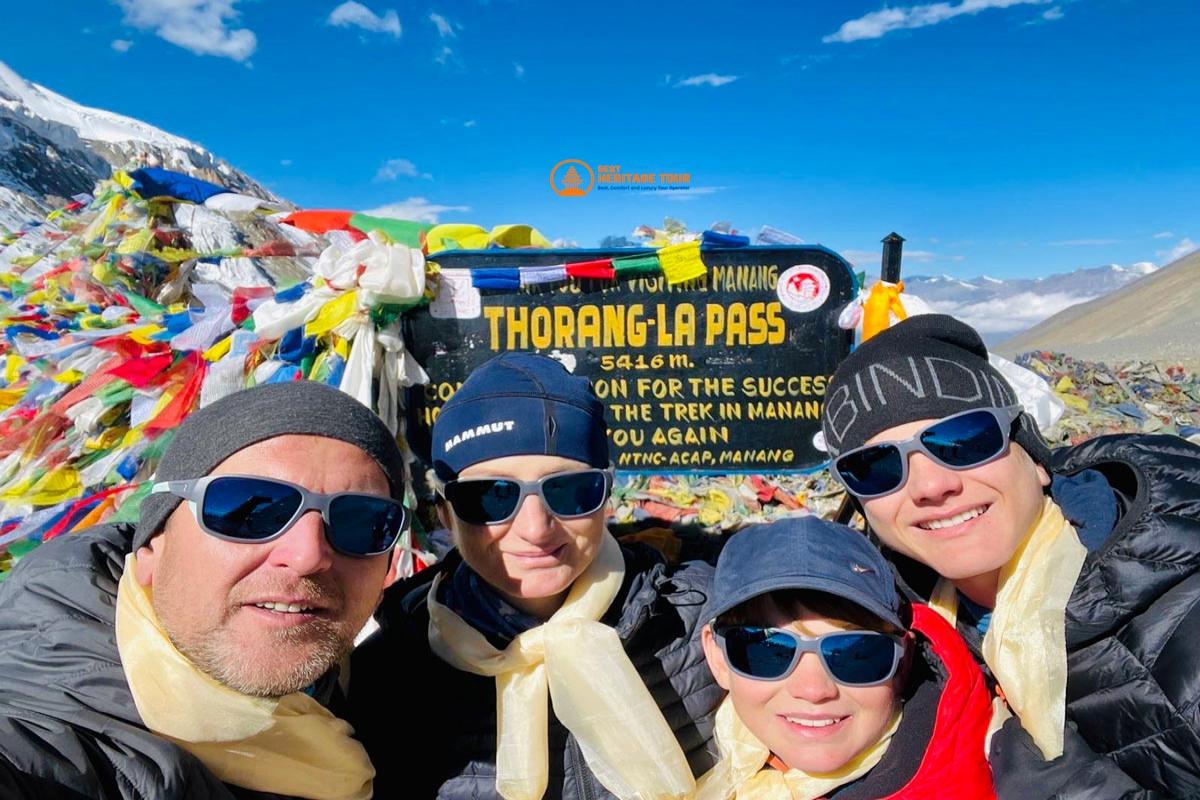
- Conquer Thorong La Pass - one of the world’s highest trekking pass at 5,416 meters.
- Explore Tilicho Lake - one of the highest lakes in the world, surrounded by dramatic mountains.
- Walk through traditional villages like Manang, Muktinath, and Ghorepani, visiting monasteries and temples.
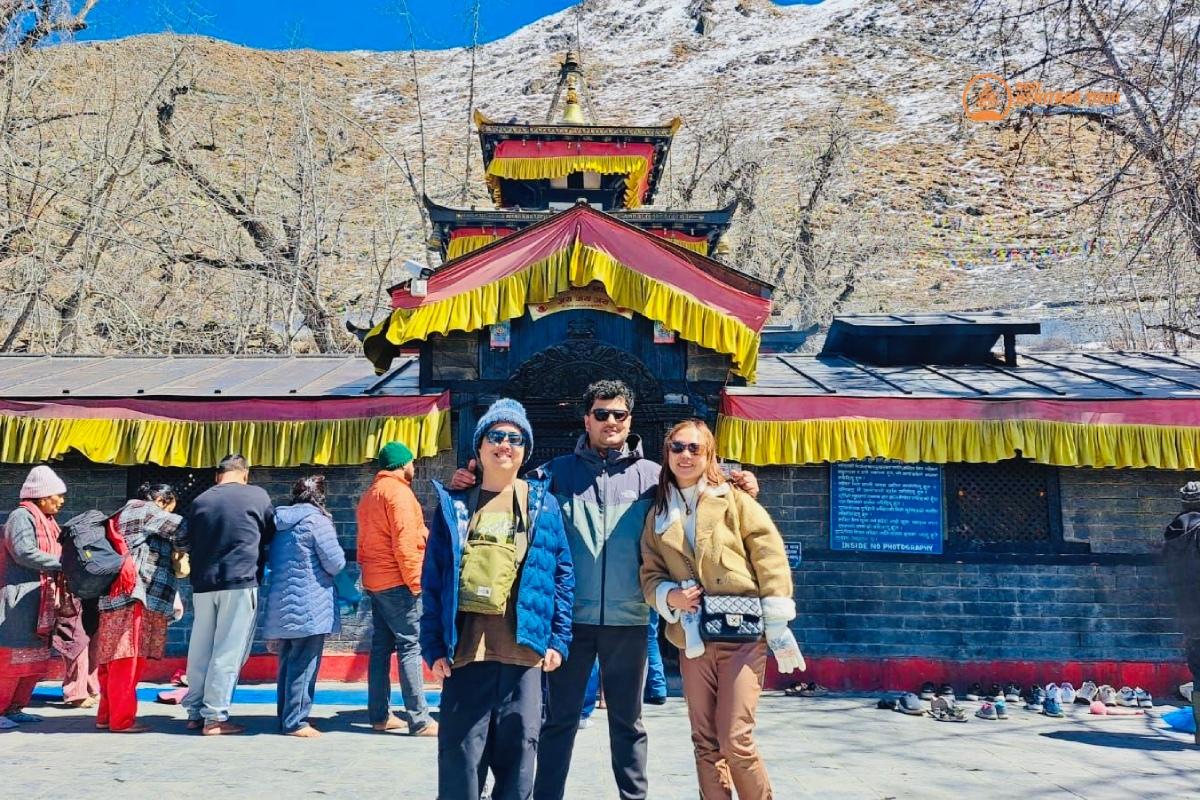
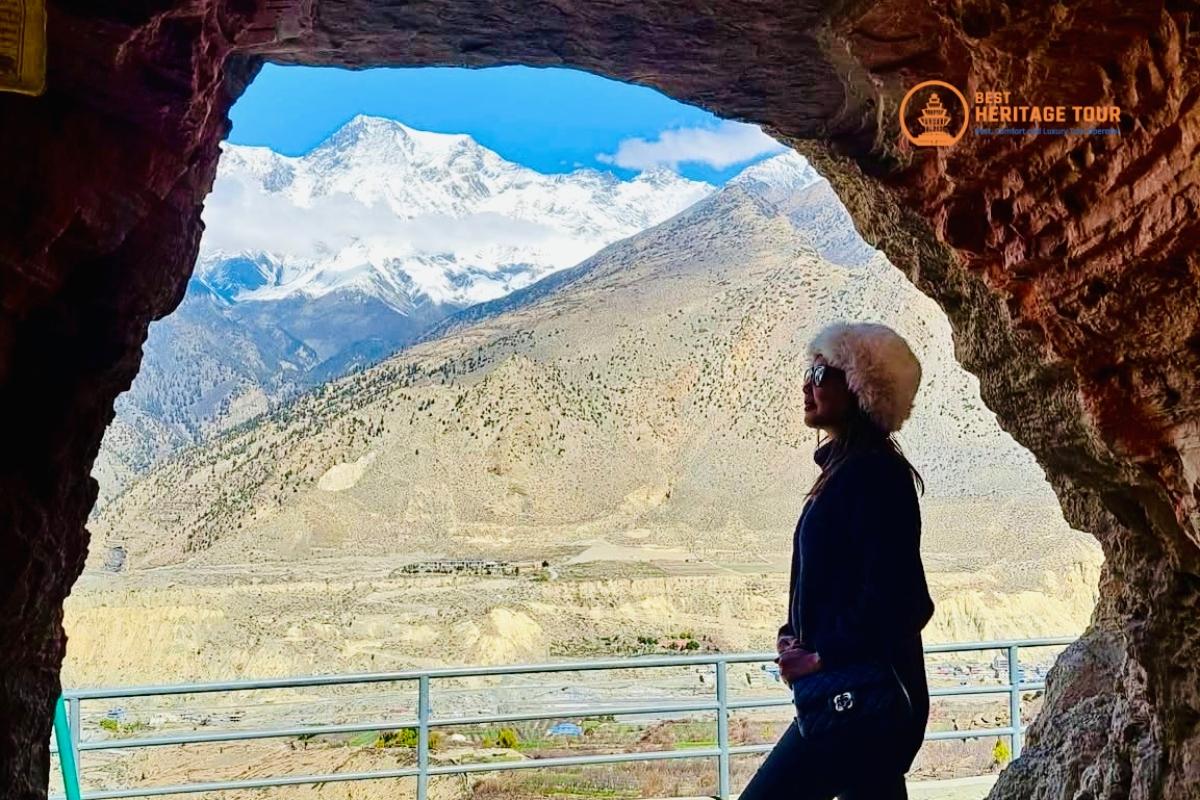
- Visit Muktinath Temple - a holy place for Hindu and Buddhist
- Explore Bhaji Monastery, largest monastery in Manang district
- Explore different terrain - from lush forests and terraced farmlands to alpine meadows and high desert terrain.
- Cross suspension bridges and follow river valleys with flowing waterfalls, including the Kali Gandaki.
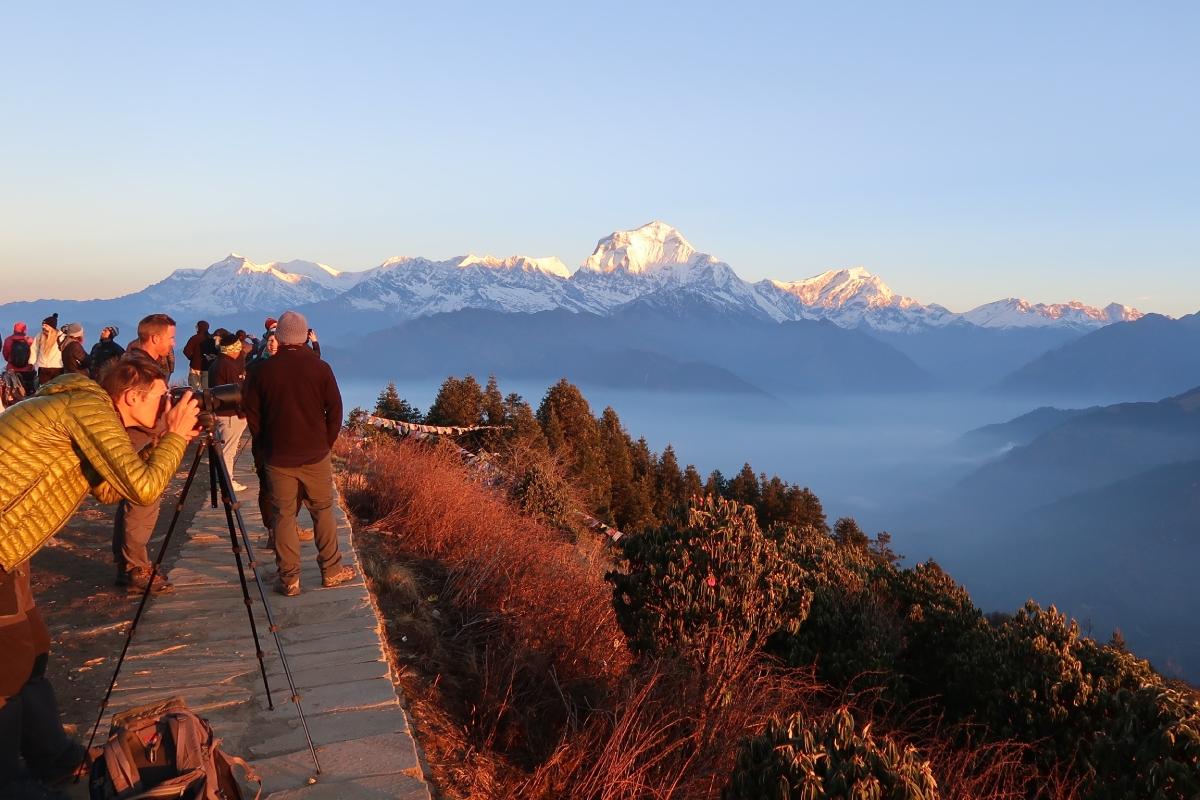
- Sunrise at Poon Hill to witness a breathtaking sunrise over Annapurna and Dhaulagiri
Why Choose Best Heritage Tour for the Annapurna Circuit Trek?
- Free airport pick-up and drop-off service
- Online pre-trip briefing and booking confirmation for better preparation
- Multiple communication channels (Phone, Email, WhatsApp, Viber) for easy support
- 24/7 customer support available at +977-9851149197 / +977-9810043046
- Simple and secure payment options including Cash, Card, Bank Transfer & PayPal
- Provide essential medical kit and oximeter to monitor oxygen levels at high altitude
- Complimentary duffle bag and sleeping bag (used one & to be returned after the trek)
- Free luggage storage facility at Best Heritage Tour store during the trek
- We plant a tree in the name of travelers (upon request), as a part of our commitment to sustainable tourism
Annapurna Circuit Trek with Tilicho Lake Route Overview
The Annapurna Circuit Trek is one of Nepal’s most celebrated and rewarding Himalayan journeys, offering a perfect blend of adventure, natural beauty, and cultural immersion. The trek begins in the lush lowlands of Besisahar, gradually winding through fertile terraced fields, quaint villages, and dense forests, giving trekkers a first glimpse into the rich rural lifestyle of Nepalese communities. Along the way, the trail follows the Kali Gandaki River, which flows through deep, dramatic gorges framed by towering cliffs, creating a sense of scale and grandeur that is unmatched.
As the journey ascends, the landscape transforms dramatically. Green hills give way to alpine meadows and high desert plateaus, where the snow-capped peaks of Annapurna, Dhaulagiri, Machapuchare, and several other towering mountains dominate the horizon. Trekkers experience a remarkable diversity of ecological zones, passing through rhododendron forests, pine and oak woodlands, and stark high-altitude terrain. The villages scattered along the trail, such as Manang, Muktinath, and Ghorepani, offer a window into local traditions, ancient monasteries, and vibrant festivals, providing cultural depth to the trekking experience.
Among the trek’s highlights are hidden gems like Tilicho Lake, one of the highest lakes in the world, surrounded by towering cliffs and pristine landscapes. The challenging Thorong La Pass at 5,416 meters is a defining moment of the trek, testing both endurance and determination while rewarding hikers with panoramic Himalayan vistas and a profound sense of accomplishment.
The descent from the high mountains takes trekkers through lush rhododendron forests, terraced farmland, and small settlements, offering moments of reflection on the journey’s beauty and cultural richness. Ending near Pokhara, the trek combines adventure, serenity, and authentic Himalayan life, making it an unforgettable experience. Ideal for both seasoned trekkers and enthusiastic adventurers, the Annapurna Circuit Trek offers a complete Himalayan journey - one that inspires awe, challenges the body, and leaves lasting memories of Nepal’s natural and cultural heritage.
What Can You Expect on Annapurna Circuit Trek?
1. Iconic Himalayan Views
The Annapurna Circuit Trek offers breathtaking panoramic vistas of some of the world’s most famous peaks, including Annapurna, Dhaulagiri, and Machapuchare. From snow-capped ridges to rugged valleys, every stage of the trek presents a constantly changing visual feast. Photographers and nature enthusiasts will find countless opportunities to capture the raw beauty of the Himalayas in all their grandeur.
2. High-Altitude Adventure
Cross the legendary Thorong La Pass at 5,416 meters, a highlight of the trek. This high-altitude challenge tests both physical endurance and mental strength, but the effort is rewarded with sweeping mountain panoramas, deep valleys, and a profound sense of accomplishment. The journey across the pass is an unforgettable experience that defines the Annapurna Circuit Trek.
3. Tilicho Lake Exploration
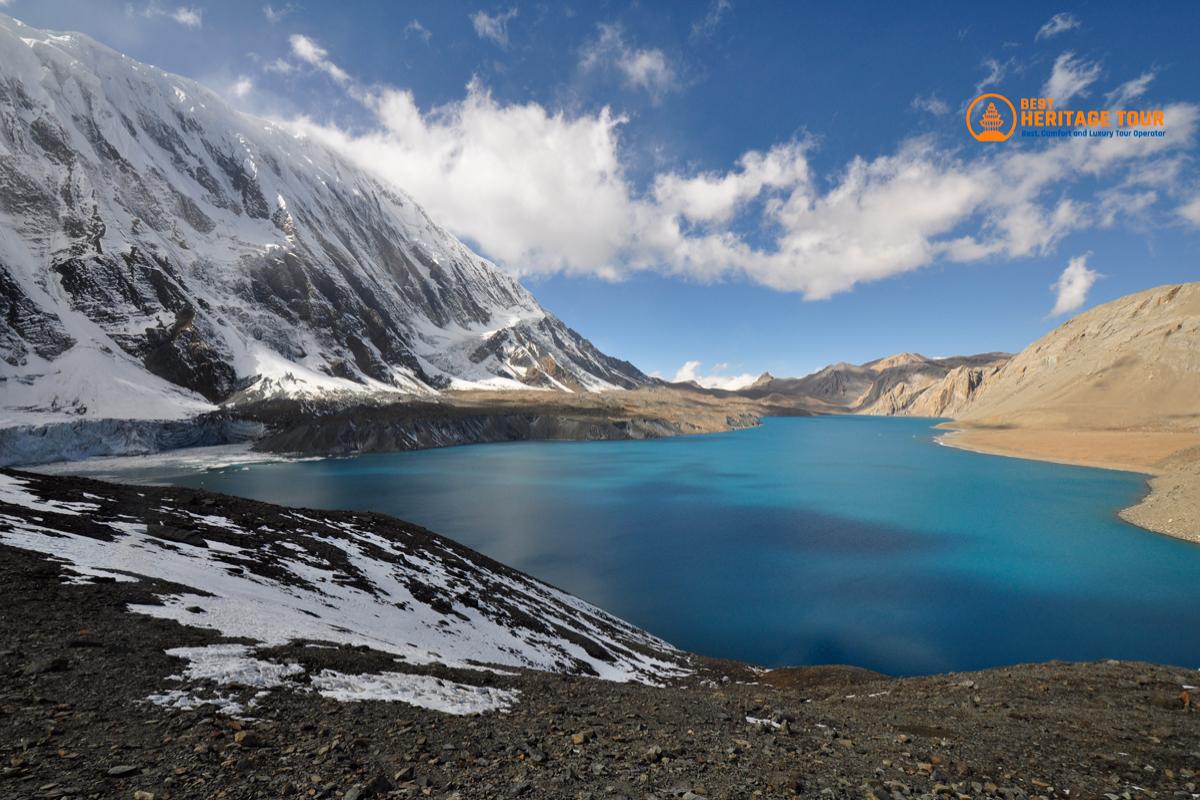
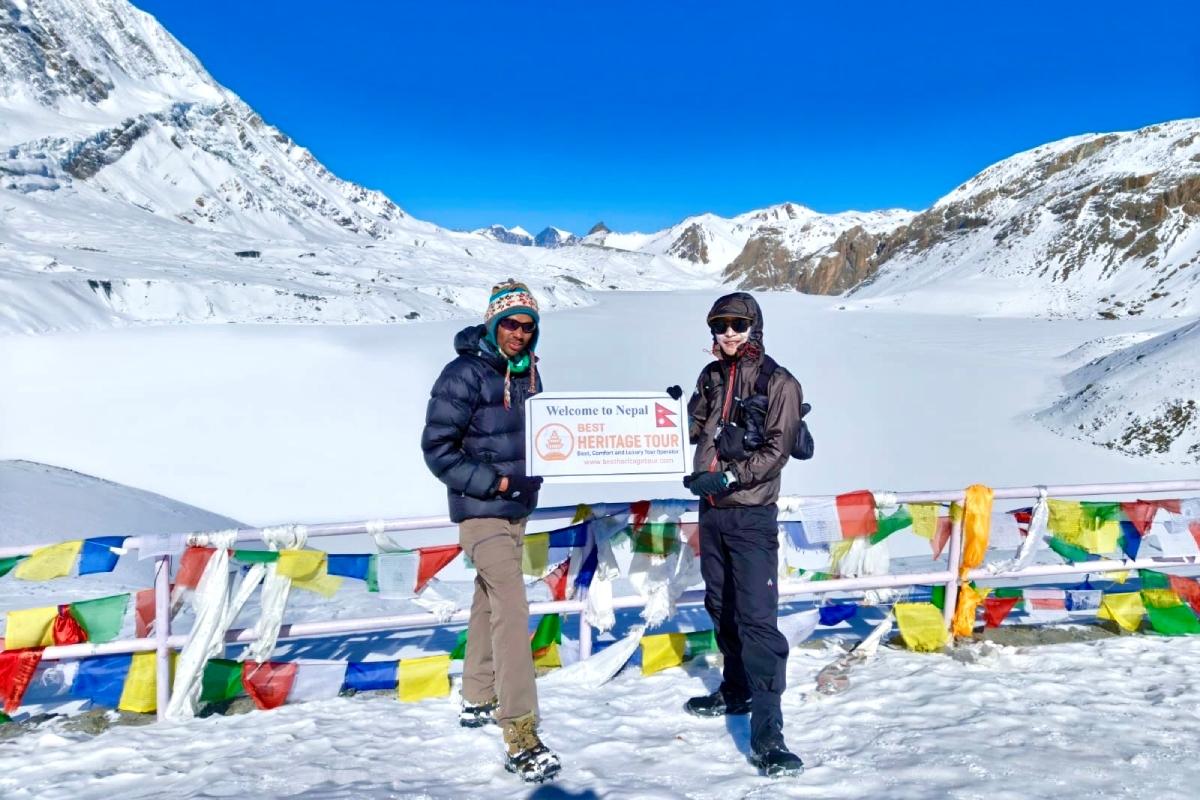
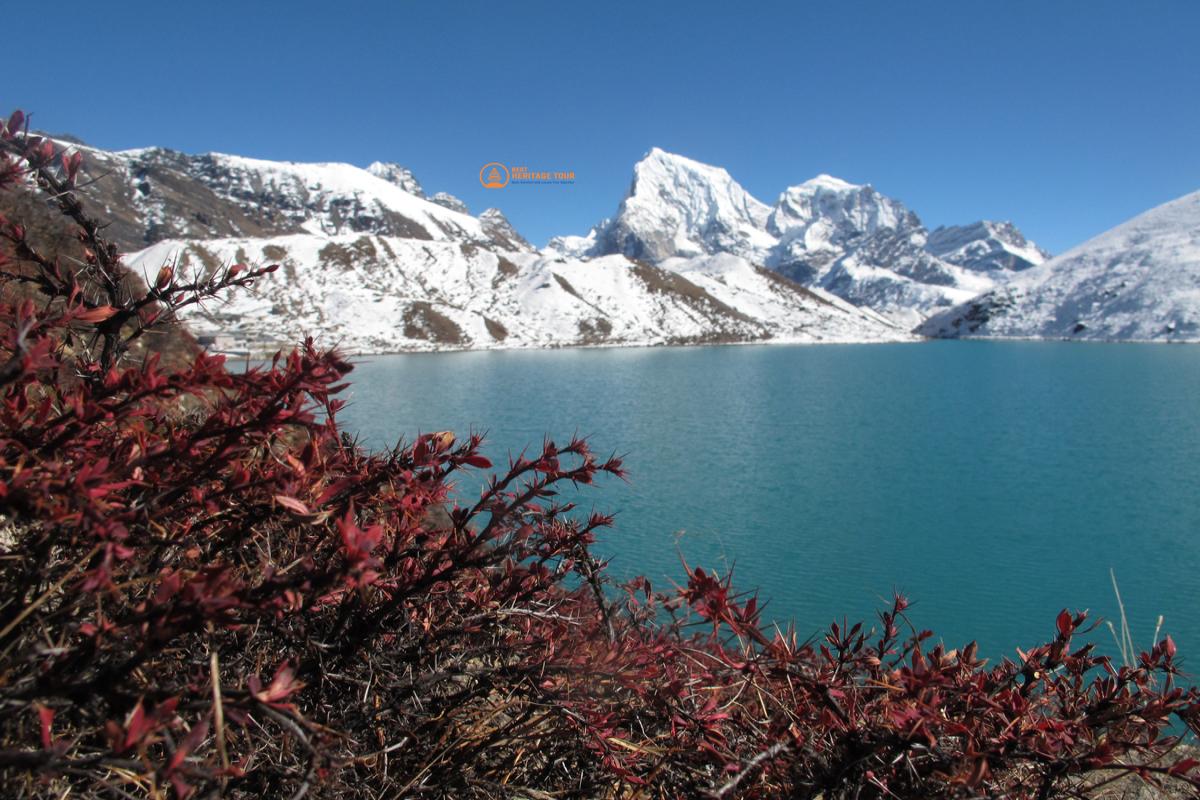
Visit Tilicho Lake, one of the highest lakes in the world at 4,920 meters. Surrounded by towering peaks, glaciers, and dramatic cliffs, the lake provides a serene, otherworldly landscape. Trekkers can enjoy quiet reflection, photography, and the sheer majesty of high-altitude wilderness. Its turquoise waters against the stark rocky backdrop create an iconic Himalayan scene.
4. Cultural Encounters
Experience the unique cultures of the Annapurna region by walking through villages such as Manang, Muktinath, and Ghorepani. Trekkers can witness traditional lifestyles, local rituals, and vibrant festivals, as well as visit ancient monasteries, temples, and stupas. These cultural interactions offer deep insights into the spiritual and daily lives of the mountain communities.
5. Diverse Landscapes
The trek passes through a remarkable variety of terrains, from lush subtropical forests and terraced farmland to alpine meadows and high desert regions. Each day brings a new ecological experience, including rhododendron blooms, pine forests, and stark mountain deserts, providing a rich backdrop for adventure and exploration.
6. Rivers, Valleys, and Waterfalls
Cross numerous suspension bridges, trek alongside rivers, and admire cascading waterfalls, including the iconic Kali Gandaki River. These natural features not only add visual beauty but also enhance the sense of adventure and connection with the Himalayan environment.
7. Sunrise at Poon Hill
The trek culminates with the sunrise at Poon Hill, one of Nepal’s most celebrated viewpoints. Watching the morning sun illuminate Annapurna and Dhaulagiri is a spectacular, unforgettable experience, offering panoramic vistas that leave a lasting impression on every trekker.
Are You Ready for the Annapurna Circuit Trek?
The Annapurna Circuit Trek is more than just reaching Tilicho Lake or crossing Thorong La Pass - it's a journey that challenges your body, broadens your perspective, and rewards you with unforgettable experiences. To truly enjoy this trek, the thing you need the most is a spirit of adventure, a positive mindset, patience, and a willingness to embrace the mountains.
Some days will test your endurance with long climbs and high altitude, while others will reward you with breathtaking Himalayan views, warm local hospitality, ancient monasteries, and peaceful moments in nature. If you're ready to step outside your comfort zone, appreciate simple mountain living, respect local culture, and create memories that last a lifetime, then you're ready for the Annapurna Circuit Trek.
Itinerary
Your Annapurna Circuit adventure begins with a journey from Kathmandu to Besisahar using public transport, winding through picturesque hills, terraced farmlands, and flowing rivers. The drive offers stunning views of lush valleys, small settlements, and scattered forests, giving a first glimpse of the rural Himalayan landscape. From Besisahar, you transfer to a public jeep that takes you to Jagat, the official starting point of the trek. The road passes through charming villages, dense forests, and the Kali Gandaki river valley, setting the tone for the trek ahead. Upon arrival in Jagat, you can settle into your lodge, enjoy a warm meal, and soak in the serene surroundings of this quaint mountain village.
Today, your trek begins in earnest as you leave Jagat and follow the Kali Gandaki river valley, one of the deepest gorges in the world. The trail winds through lush subtropical forests, terraced farmlands, and traditional villages where you can observe daily rural life. Along the way, you cross suspension bridges spanning the river, offering stunning views of the surrounding cliffs and the river’s turquoise waters. Small temples, Mani walls, and prayer flags line the trail, giving a glimpse into the rich cultural and spiritual heritage of the region. The climb to Dharapani is gradual but steady, allowing you to acclimatize gently while taking in the breathtaking scenery of terraced fields, cascading waterfalls, and forested hills.
The trail today climbs steadily along the Kali Gandaki River valley, offering panoramic views of towering cliffs, lush forests, and terraced fields. You will pass through charming villages, where stone houses and traditional farms showcase the local lifestyle. The path meanders through rhododendron and oak forests, and you may spot Himalayan birds and small wildlife along the way. Crossing several suspension bridges, you experience both the thrill and serenity of the valley. Chame, the district headquarters of Manang, is a picturesque village with well-equipped lodges and small shops. From here, trekkers enjoy expansive views of Annapurna II and surrounding peaks, marking the gradual entrance into higher altitude terrain as the journey continues.
Today’s trek takes you through a stunning mix of landscapes, gradually transitioning from river valleys and terraced farmlands to alpine vegetation and rocky hillsides. As you climb higher, the air becomes crisper, and the views of the Annapurna and Manang peaks become increasingly dramatic. The trail passes through traditional villages, where stone and mud-brick houses are adorned with prayer flags and Mani walls, reflecting the deep cultural and spiritual heritage of the region. You also pass through patches of rhododendron, pine, and oak forests, with small streams and waterfalls adding to the natural beauty. Upper Pisang offers a peaceful village setting with teahouses providing comfortable lodging, and panoramic vistas of Annapurna II, Pisang Peak, and surrounding Himalayan ranges make this stop unforgettable.
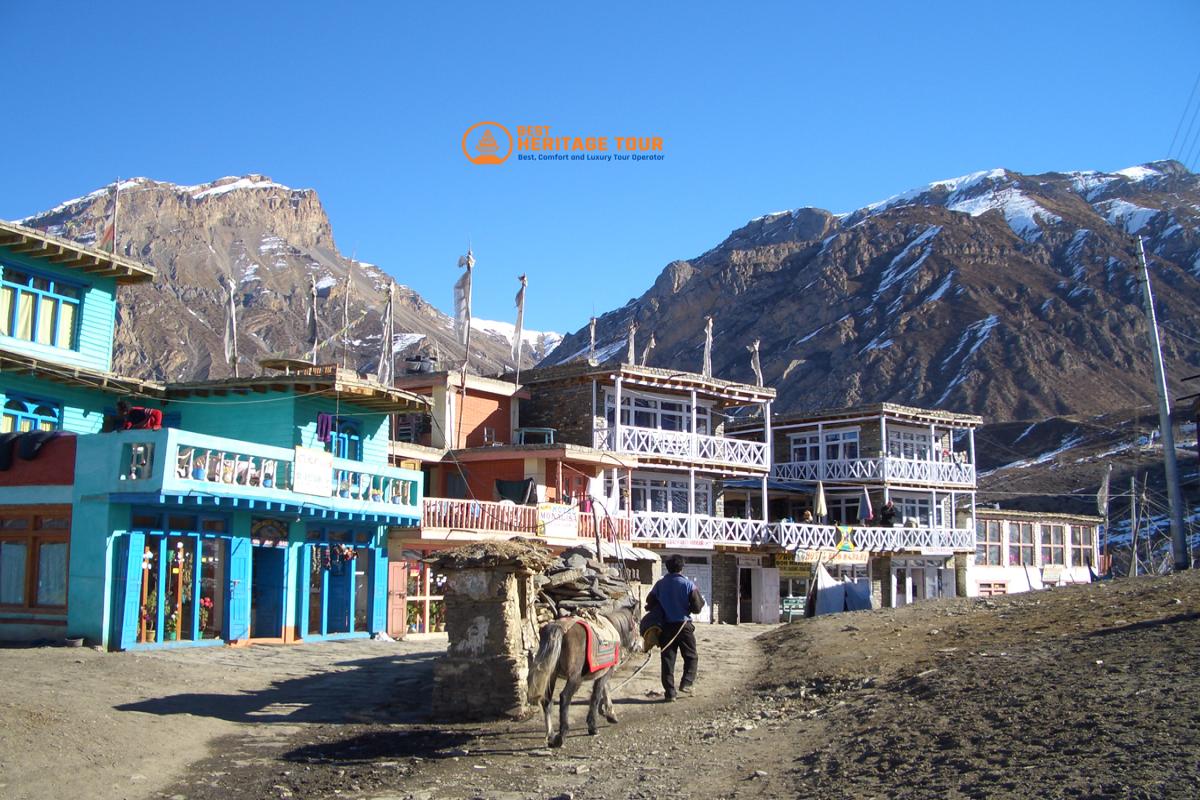
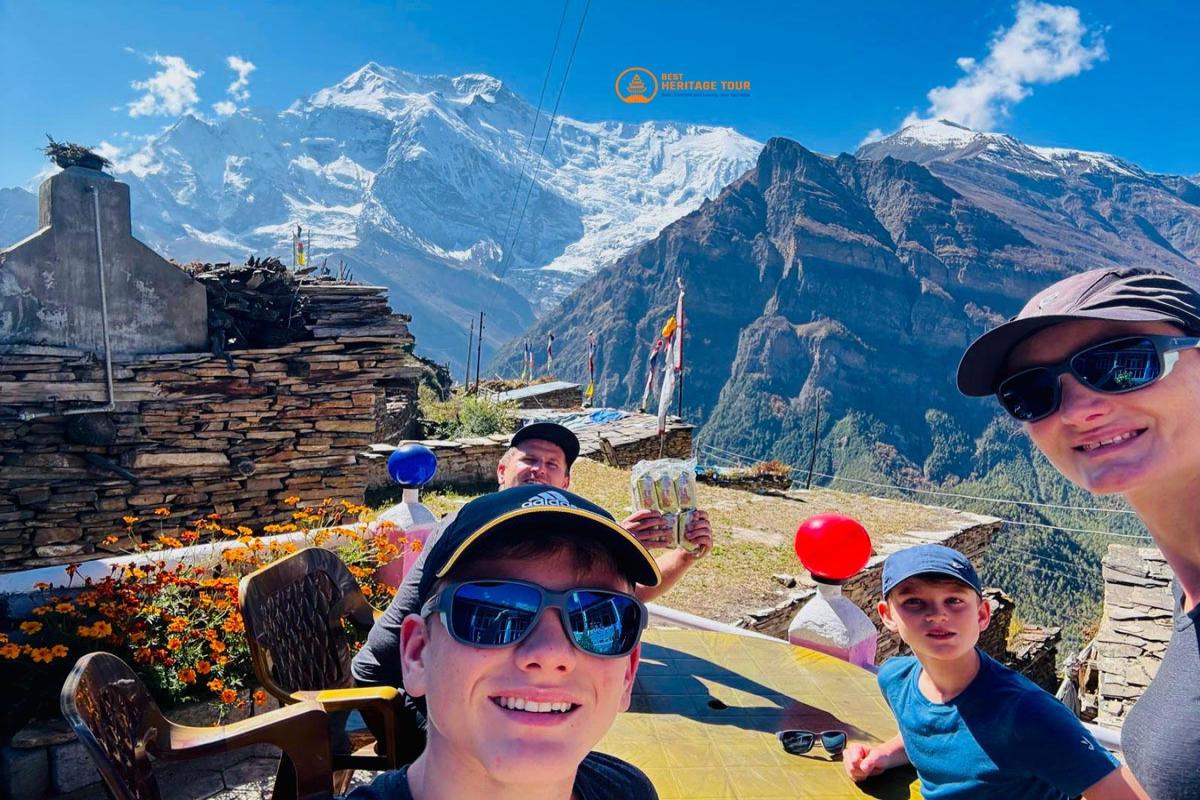
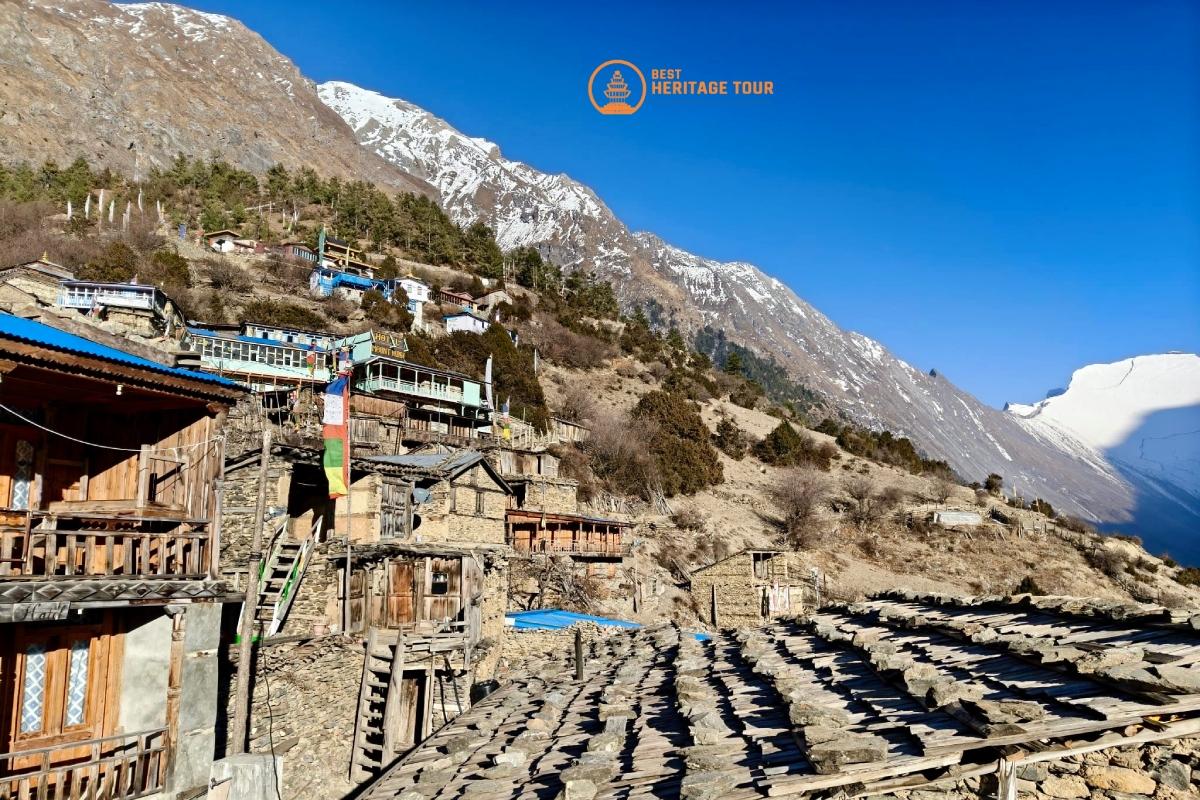
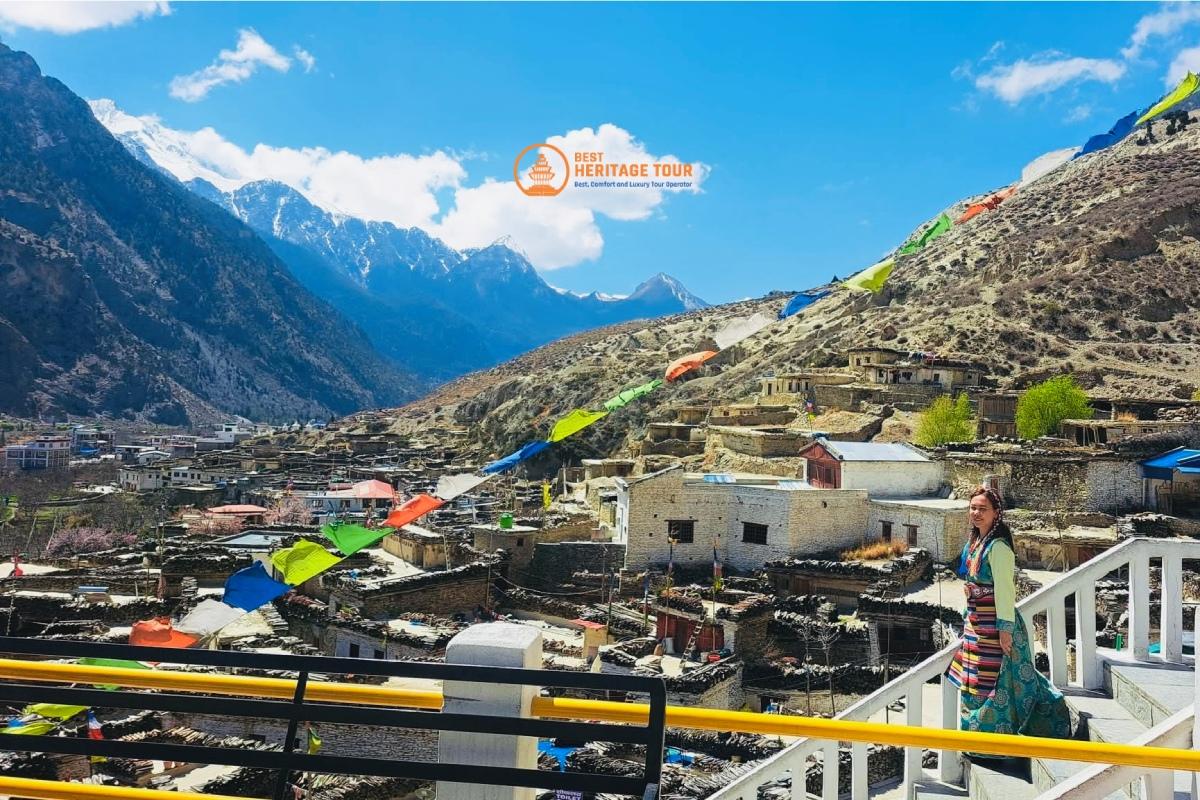
Today’s trek offers a gradual climb through the alpine landscape, transitioning from Upper Pisang to the cultural hub of Manang. The trail winds through rocky hills, sparse vegetation, and high-altitude deserts, giving trekkers their first real taste of the unique Himalayan terrain. Along the way, you pass traditional villages, Mani walls, and small monasteries, offering glimpses of local customs and spiritual practices. The village of Manang is picturesque and welcoming, with teahouses providing comfortable lodging and basic amenities. From here, trekkers enjoy breathtaking panoramic views of Annapurna III, Gangapurna, and surrounding peaks, making it an ideal location to rest and acclimatize. The serene atmosphere, crisp mountain air, and surrounding landscapes make Manang a memorable stop on the Annapurna Circuit.
Today is an important acclimatization day in Manang, featuring a challenging hike to Ice Lake (Kicho Tal), one of the most rewarding high-altitude side trips on the Annapurna Circuit Trek. The trail climbs through rugged alpine terrain, with stunning views of Annapurna II, Annapurna III, Gangapurna, Tilicho Peak, and surrounding peaks along the way.
The hike to Ice Lake takes several hours and involves a significant elevation gain, making it an excellent opportunity to strengthen acclimatization before crossing Thorong La Pass. Upon reaching the lake, trekkers can enjoy the tranquil alpine setting and panoramic Himalayan scenery before returning to Manang for an overnight stay.
Today’s trek involves a gradual ascent into higher alpine terrain, preparing trekkers for the upcoming high passes. The trail passes through rocky landscapes, sparse vegetation, and occasional snow patches, offering a unique high-altitude environment. Along the route, you may spot Himalayan wildlife, including birds of prey and grazing livestock, while enjoying panoramic views of Annapurna III, Gangapurna, and Tilicho Peak. Siri Kharka, a small settlement, provides basic teahouse accommodations and a chance to rest and acclimatize before continuing towards Tilicho Base Camp. The serene surroundings and crisp mountain air make this stop a perfect blend of nature and quiet reflection.
Today’s trek takes you to the famous Tilicho Base Camp, a highlight of the Annapurna Circuit. The trail climbs through rocky high-altitude terrain, glacial streams, and sparse alpine vegetation, offering trekkers dramatic views of the surrounding snow-capped peaks. Along the way, you may encounter small herds of Himalayan goats and yaks, adding to the charm of this remote landscape. The Base Camp area provides a spectacular vantage point of Tilicho Peak and serves as the gateway to Tilicho Lake, one of the highest lakes in the world. The serene and rugged environment makes this stop an ideal location for photography, reflection, and enjoying the grandeur of the Himalayas.
Today is a day hike to the spectacular Tilicho Lake, one of the highest lakes in the world, surrounded by towering snow-capped peaks. The trail climbs through rocky paths, glacial streams, and high-altitude meadows, offering panoramic views of Tilicho Peak, Himlung Himal, and Annapurna II. Trekkers experience the serene beauty and untouched nature of this remote Himalayan region, witnessing the crystal-clear turquoise waters of the lake. After soaking in the vistas, you return to Siri Kharka, descending along the same scenic route. The day combines challenging high-altitude trekking with rewarding views, providing an unforgettable Himalayan adventure.
Today’s trek is a moderate descent along the alpine terrain, moving from Siri Kharka to Yak Kharka. The trail winds through rock-strewn paths, high-altitude meadows, and scattered glacial streams, offering panoramic views of Annapurna II, Gangapurna, and surrounding peaks. Along the route, trekkers pass by small herds of yaks and grazing livestock, giving a glimpse of traditional highland pastoral life. Yak Kharka is a small settlement with teahouses providing a cozy stopover. This section allows trekkers to rest and acclimatize further, while enjoying the serene and rugged landscapes of the upper Annapurna region.
Today, the trail gains significant altitude as you make your way to Thorong Phedi, the base for crossing Thorong La Pass. The trek passes through rocky ridges, scattered high-altitude vegetation, and glacial streams, offering breathtaking views of Annapurna II, Gangapurna, and nearby peaks. Along the route, trekkers may encounter yaks carrying supplies and mountain flowers resilient to the harsh environment, adding color to the stark landscape. Thorong Phedi is a small, well-equipped teahouse settlement providing a chance to rest, acclimatize, and prepare for the challenging pass ahead. The crisp mountain air and panoramic vistas make this stop both scenic and essential for high-altitude readiness.
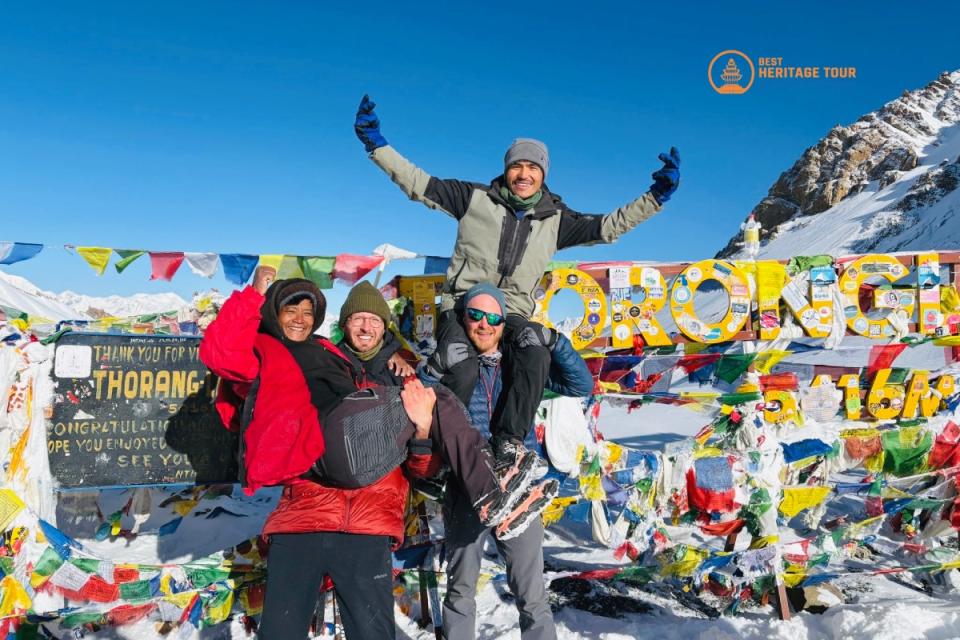
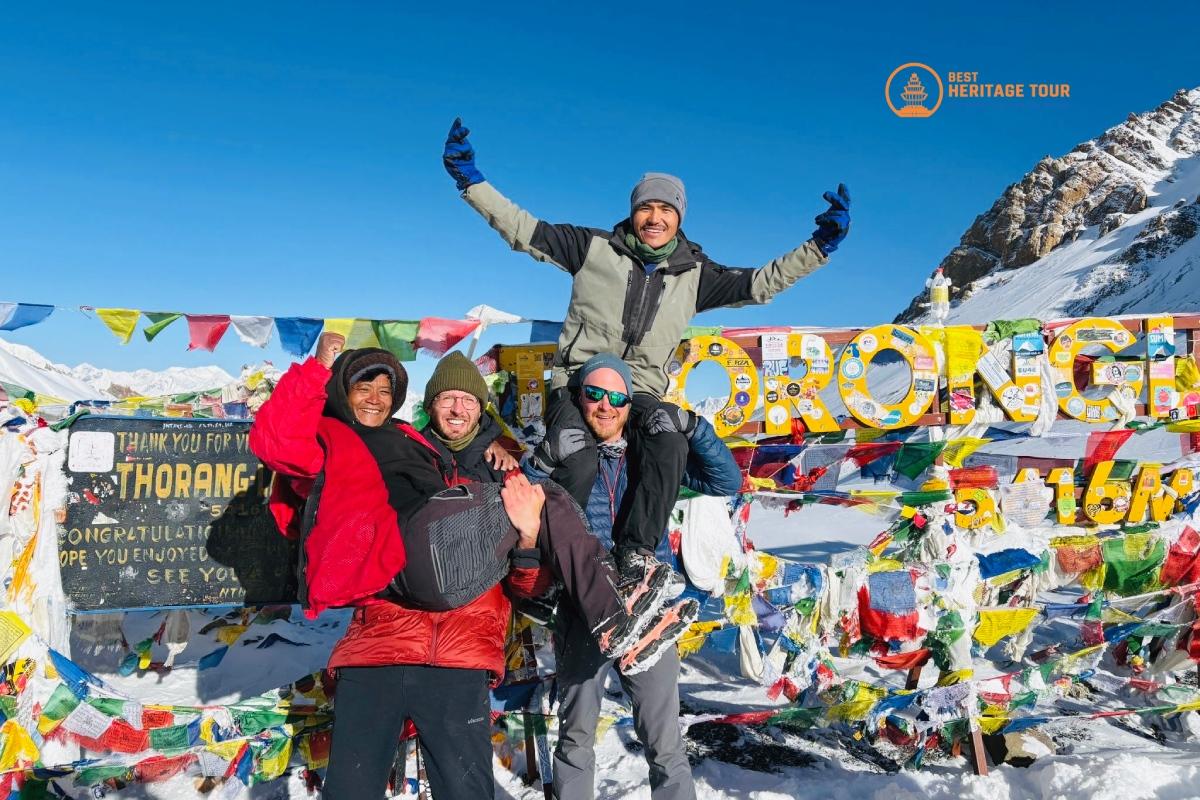
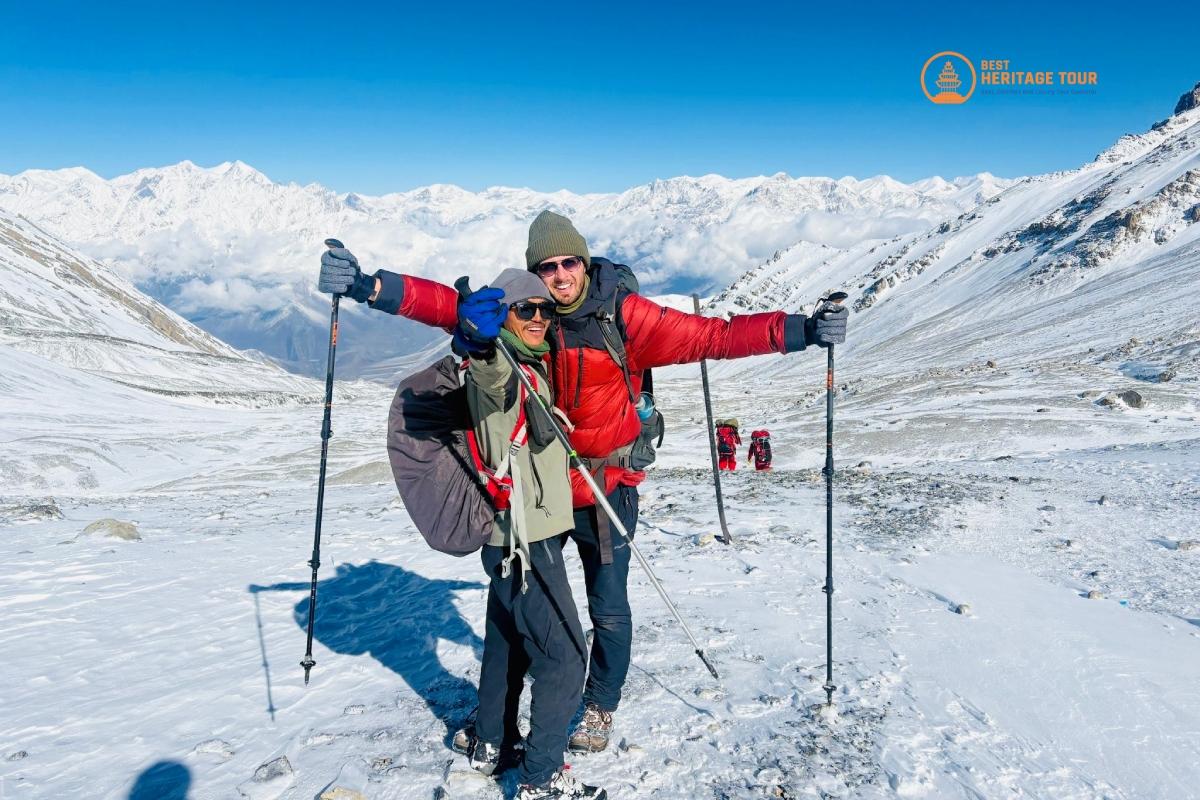
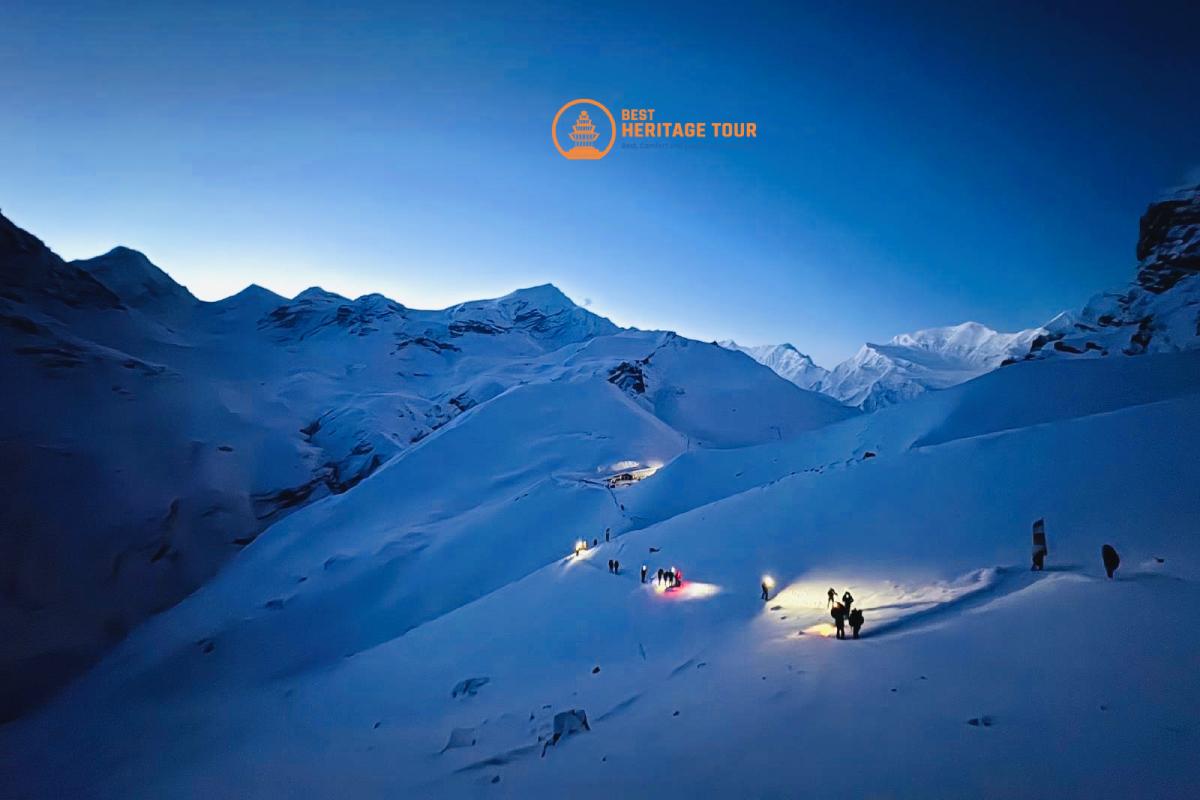
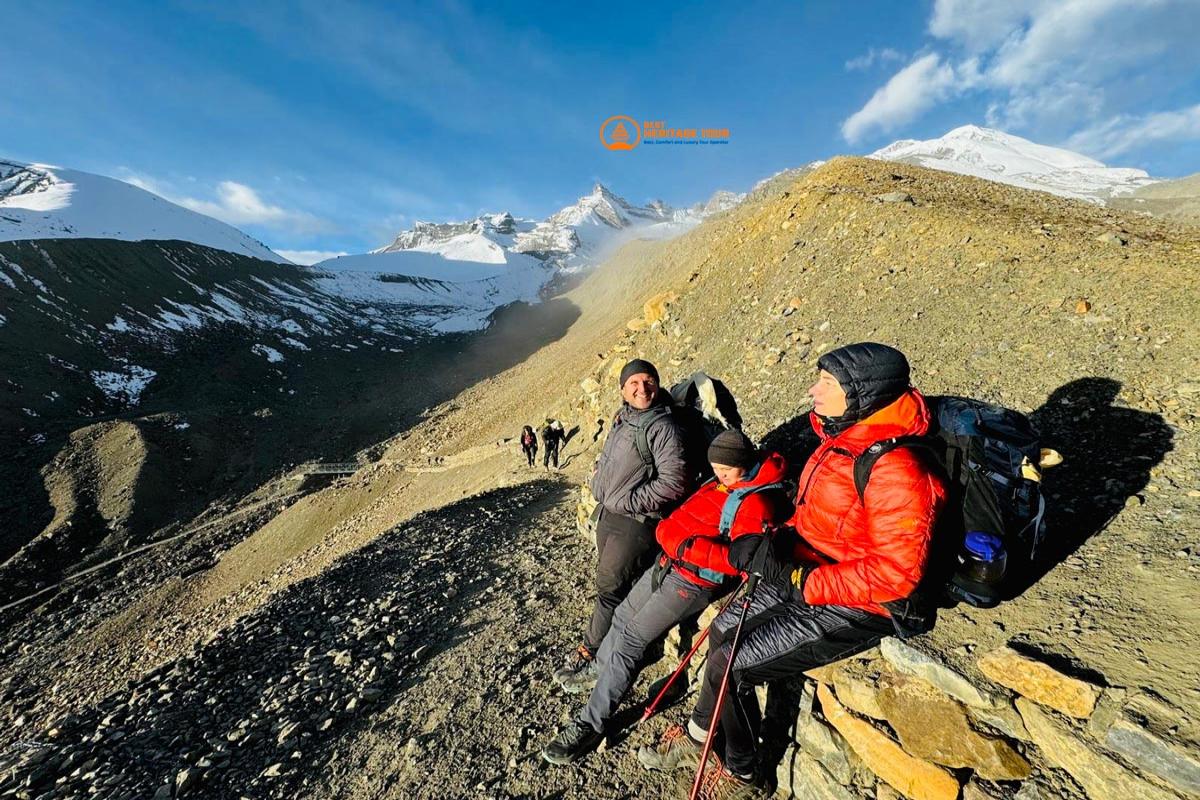
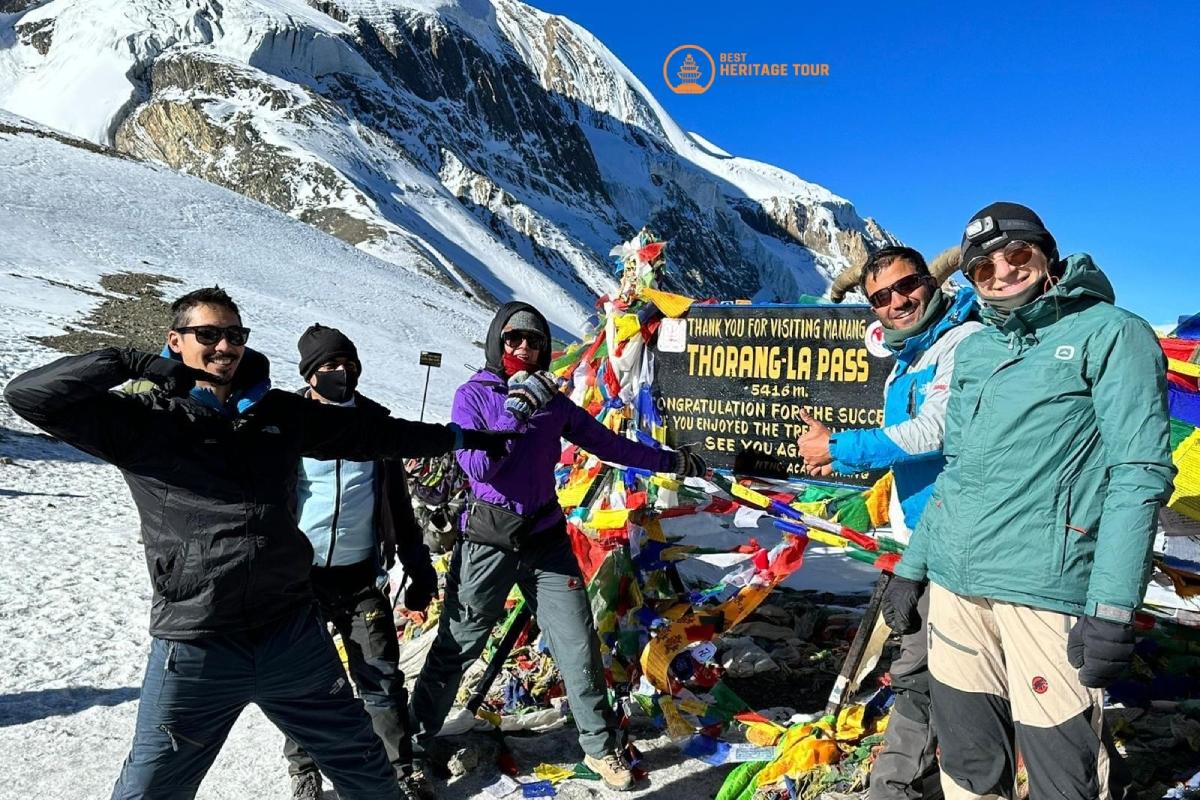
Today is the most challenging and rewarding day of the trek as you cross the Thorong La Pass, one of the highest trekking passes in the world. The early morning ascent begins in the crisp mountain air, passing snow-covered ridges, icy streams, and high-altitude rocks, with panoramic views of Dhaulagiri, Annapurna, and Nilgiri ranges. The sense of achievement upon reaching the 5,416 m pass is unparalleled, as you take in sweeping Himalayan vistas and capture unforgettable photographs. After the pass, the trail descends through rocky and arid terrain into the Muktinath Sanctuary, a sacred site for both Hindus and Buddhists, dotted with temples, gompas, and natural springs. Trekkers can explore the holy site before settling at a teahouse in Muktinath for a well-deserved rest.
Today, you descend from the high Himalayas into the warmer Kali Gandaki Valley. The journey begins with a short drive to Jomsom, passing through picturesque villages, terraced fields, and traditional settlements adorned with colorful prayer flags. From Jomsom, continue driving to Tatopani, famous for its natural hot springs. Here, you can soak in warm mineral baths, rejuvenating tired muscles after the high-altitude trek. The drive offers panoramic views of Dhaulagiri and Nilgiri, and glimpses of the Kali Gandaki River winding through the valley.
Today’s trek involves a steady ascent through lush subtropical forests, terraced fields, and small villages. The trail passes waterfalls, streams, and rhododendron and oak forests, offering a variety of scenic landscapes and wildlife sightings. As you gain altitude, the panoramic views of Annapurna South, Hiunchuli, and Machapuchare become more impressive. Ghorepani, perched on a ridge, provides a perfect base for the next day’s early morning hike to Poon Hill, and its teahouses offer comfortable rest after a rewarding day of trekking.
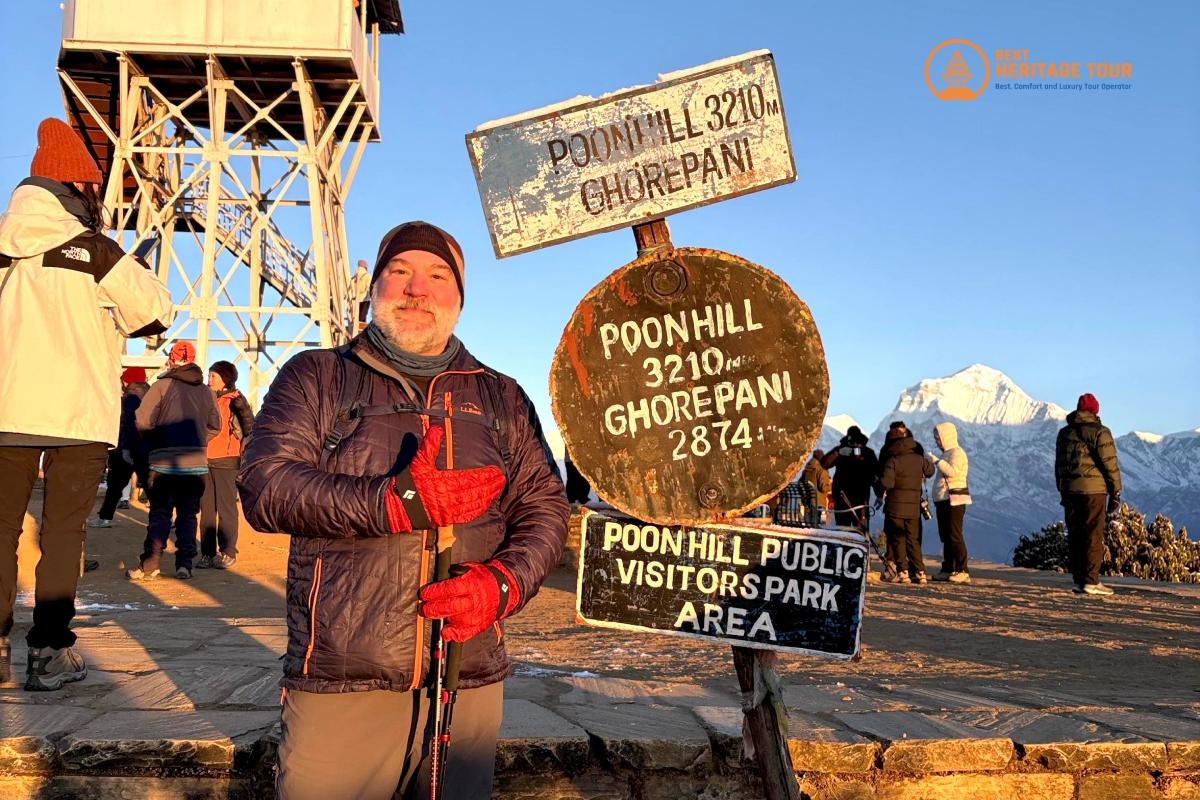
An early morning short hike to Poon Hill allows you to witness a breathtaking sunrise over Annapurna, Dhaulagiri, and surrounding peaks. After returning to Ghorepani, you descend to Birethanti, enjoying the forests, waterfalls, and terraced landscapes along the way. From Birethanti, a scenic drive to Pokhara brings you to this picturesque city by Phewa Lake, perfect for relaxation, souvenir shopping, or exploring local culture.
On the final day, enjoy a leisurely scenic drive back to Kathmandu, passing rivers, rolling hills, and charming villages. This drive provides a chance to reflect on the trek, admire the landscapes, and enjoy the transition from the Himalayas to the city. Arrive in Kathmandu in the afternoon, where you can rest, explore, or shop for souvenirs, concluding your Annapurna Circuit adventure.
What is included?
- PRIVATE AIRPORT PICK-UP & DROP : Airport - Hotel transfer - Airport (Pick Up and Drop).
- MEMBER TRANSPORTATION :
- Sharing Bus/Jeep : Transportation from Kathmandu to Jagat (trek starting point) and while returning from Muktinath to Tatopani (by reserved Bus/Jeep, as per the itinerary).
- Private Jeep : Private jeep transfer from Birethanti (trek end) to Pokhara.
- Tourist Bus : Standard tourist bus transportation from Pokhara to Kathmandu.
- ACCOMMODATION IN POKHARA : 1 night in a 3-star hotel on a bed & breakfast basis.
- LODGING : Best available accommodation in mountain lodges and tea houses during the trek.
- FOOD : 3 meals a day (breakfast, lunch, and dinner; including tea/coffee) during the trek, with Ef-Chlor purification tablets provided for safe drinking water.
- GUIDE : One experienced government licensed trekking guide (English speaking) during the trek.
- STAFF SALARY AND ALLOWANCE : All trekking staff wages, salary, equipment, food & clothing.
- PERMITS : All necessary paper works: Annapurna Conservation Area permit, TIMS Card & conservation entry fee.
- STAFF INSURANCE : Insurance for all involved trekking staff during the trek.
- GEAR (IF NEEDED) : Sleeping bag, down jacket, and duffle bag (to be returned after the trek).
- MEDICAL KIT : A well equipped first aid kit, including an oximeter and emergency oxygen, carried by the guide for your safety.
- IN CASE OF EMERGENCY : Assistance in rescue operations in case of emergency covered by travel insurance.
- SOUVENIR : Best Heritage Tour’s Appreciation Certificate after the successful trek & Purse, an authentic Nepali product made from hemp.
- FAREWELL DINNER : A farewell dinner with an authentic cultural program after completion of the trek.
What is not included?
- INTERNATIONAL AIRFARE : International flight airfare (from and to Kathmandu).
- NEPAL VISA FEES : You may issue the visa upon your arrival at Tribhuvan International Airport - Kathmandu or apply manually in your home country.
- TRASNPORTATION IN PRIVATE JEEP : Private Jeep will be arranged on request for transporation from Kathmandu to Jagat.
- ACCOMMODATION & MEALS : Accommodation and meals in Kathmandu before and after the trek. Lunch and dinner in Pokhara.
- INSURANCE POLICY : Travel insurance covering medical expenses and high-altitude evacuation is mandatory. If you do not have suitable coverage, Best Heritage Tour can help you in arranging Recommended Travel Insurance for the Annapurna Circuit Trek.
- PERSONAL EXPENSES : Recommended Clothing & Gears for the Annapurna Circuit Trek, telephone, internet, toiletries, hot shower, laundry, soft drinks and any Alcoholic beverages.
- OPTIONAL PORTER SERVICE : USD 22 per day, including all taxes (each porter can carry up to 25 kg of luggage).
- TIPS : Tips for guide and porters.
- EXTRA : Any additional costs due to factors beyond our control, or for services not specifically mentioned in the Itinerary & Included section.
- TAXES & SERVICE CHARGE : All government taxes (13%) and service charge (10%)
Route Map
Equipment
Head / Ears / Eyewear
-
A pair of half gloves
-
A warmer hat that covers the ears
-
Sunglasses
-
Neck warmer
-
Sunscreen (35 to 60 SPF)
-
Flashlight and a spare set of batteries
Hands
-
Half gloves for better grip on your trekking pole(if you want)
-
Warmer shell gloves and liner
Upper Body
-
long sleeve t-shirts
-
Thermal tops
-
wool jacket or pullover
-
Sports bras for women and girls
-
Water and windproof shell jacket
Lower Body
-
Thermal underwear (especially trousers)
-
windproof and waterproof trousers
-
warmer trousers
-
Comfortable trekking pants
-
Extra casual sport pants
Footwear
-
Trekking Boots(Waterproof )
-
Pair of sandals
-
4-5 pairs of woolen socks
-
Sock liners
-
Light shoes and sneakers
First Aid Kits and Medicines
-
Assorted adhesive bandages (fabric preferred)
-
Blister treatment cream or similar
-
Insect / anti-itch ointment
-
Ibuprofen or other pain-relief medication
-
Diamox (for altitude sickness)
-
Water purifying tablets
Trip Info
Useful Information About the Annapurna Circuit Trek with Tilicho Lake
The Annapurna Circuit Trek is one of Nepal's most iconic trekking adventures in Nepal. This trip information section covers everything you need to know before your journey, including transportation, accommodation, meals, altitude, trekking difficulty, etc, helping you prepare with confidence.
Airport Pick-Up and Trip Briefing for the Annapurna Circuit Trek
Upon your arrival at Tribhuvan International Airport in Kathmandu, a representative from Best Heritage Tour will be waiting in the arrival hall holding a placard with your name. As a warm welcome to Nepal, you will be greeted with a traditional Khada (ceremonial scarf) before being transferred to your hotel by private vehicle.
Please note that hotel accommodation in Kathmandu is not included in our standard package. However, we are happy to assist you to finalize your accommodation that matches your budget and preferences upon request.
Trip Briefing Session
Before your trek begins, we conduct a comprehensive trip briefing at our office in Thamel, led by Mr. Bimal, Managing Director of Best Heritage Tour. During the briefing, we will:
-
Explain the complete 16-day itinerary and daily trekking plan.
-
Discuss altitude, acclimatization, weather, and trail conditions.
-
Review the essential trekking gear and packing checklist.
-
Introduce you to your government-licensed trekking guide and porter (if included).
-
Answer any questions and ensure you are fully prepared before your Himalayan adventure begins.
This briefing ensures that every trekker starts the Annapurna Circuit Trek with confidence, proper preparation, and a clear understanding of the journey ahead.
What Type of Transportation is Used for the Annapurna Circuit Trek?
At Best Heritage Tour, we arrange a combination of shared local transportation, private transfers, and tourist buses to ensure a smooth and comfortable journey throughout the Annapurna Circuit Trek. Since the trek covers different road conditions and remote Himalayan regions, we carefully select the most suitable vehicle for each section of the itinerary.
Sharing Bus / Jeep
The journey begins with a shared bus or jeep from Kathmandu to Jagat via Besisahar, the official starting point of the trek. After completing the trek and visiting Muktinath, another shared reserved bus or jeep is arranged for the scenic drive to Tatopani via Jomsom.
Private Jeep
After completing the final trekking day at Birethanti, we provide a private jeep transfer to Pokhara. This private transfer offers greater comfort and flexibility, allowing trekkers to relax after their Himalayan adventure while enjoying the beautiful countryside on the way to Nepal's lakeside city.
Tourist Bus
Your journey concludes with a standard tourist bus ride from Pokhara to Kathmandu. Tourist buses are more spacious and comfortable than local buses, making them an ideal option for the approximately 6 to 8-hour highway journey back to the capital.
Transportation Used for the Annapurna Circuit Trek with Tilicho Lake & Poon Hill
|
Type of Vehicle |
Route |
Approx. Distance |
Duration |
|---|---|---|---|
|
Sharing Bus / Jeep |
Kathmandu → Jagat (via Besisahar) |
~220 km / 137 miles |
8-10 hours |
|
Muktinath → Tatopani (via Jomsom) |
~95 km / 59 miles |
5-7 hours |
|
|
Private Jeep |
Birethanti → Pokhara |
~55 km / 34 miles |
2-3 hours |
|
Standard Tourist Bus |
Pokhara → Kathmandu |
~200 km / 124 miles |
6-8 hours |
Note: Depending on road conditions, weather, group size, and local transportation availability, shared transportation may be provided by either a bus or a jeep.
What is the Maximum Altitude Reached During the Annapurna Circuit Trek?
The maximum altitude reached during the Annapurna Circuit Trek is 5,416 meters (17,756 feet) at Thorong La Pass, one of the highest trekking passes in Nepal and the highest point of this adventure. Crossing Thorong La Pass is the defining highlight of the trek, offering breathtaking panoramic views of the Annapurna and Dhaulagiri mountain ranges after a rewarding high-altitude ascent.
What is the Altitude of Thorong La Pass?
Thorong La Pass sits at an elevation of 5,416 meters (17,756 feet) above sea level, making it the highest point of the Annapurna Circuit Trek. Located between the districts of Manang and Mustang, it is widely regarded as one of the world's most famous high mountain trekking passes.
The crossing typically begins before sunrise from Thorong Phedi (4,525 m / 14,846 ft) to take advantage of stable morning weather and avoid the strong afternoon winds that are common at higher elevations.
What is the Altitude of Tilicho Lake?
At an elevation of 4,920 meters (16,138 feet) above sea level, Tilicho Lake is the second highest point reached during the Annapurna Circuit Trek, after the iconic Thorong La Pass (5,416 m / 17,756 ft). Nestled beneath the towering peaks of the Annapurna massif, Tilicho Lake is renowned as one of the world's highest alpine lakes and is widely regarded as one of the most breathtaking highlights of the trek. Reached on Day 9 of our itinerary, the lake rewards trekkers with spectacular Himalayan scenery, crystal-clear turquoise waters, and an unforgettable high-altitude experience.
Day-by-Day Maximum Altitude Reached During the Annapurna Circuit Trek with Poon Hill
|
Day |
Route |
Maximum Altitude Reached |
|---|---|---|
|
Day 1 |
Kathmandu → Jagat (via Besisahar) |
1,300 m (4,265 ft) |
|
Day 2 |
Jagat → Dharapani |
1,860 m (6,200 ft) |
|
Day 3 |
Dharapani → Chame |
2,610 m (8,890 ft) |
|
Day 4 |
Chame → Upper Pisang |
3,300 m (10,826 ft) |
|
Day 5 |
Upper Pisang → Manang |
3,540 m (11,300 ft) |
|
Day 6 |
Acclimatization Day at Manang |
3,540 m (11,300 ft) |
|
Day 7 |
Manang → Siri Kharka |
4,060 m (13,320 ft) |
|
Day 8 |
Siri Kharka → Tilicho Base Camp |
4,150 m (13,583 ft) |
|
Day 9 |
Tilicho Base Camp → Tilicho Lake → Siri Kharka |
4,920 m (16,138 ft) |
|
Day 10 |
Siri Kharka → Yak Kharka |
4,060 m (13,320 ft) |
|
Day 11 |
Yak Kharka → Thorong Phedi |
4,525 m (14,846 ft) |
|
Day 12 |
Thorong Phedi → Thorong La Pass → Muktinath |
5,416 m (17,756 ft) |
|
Day 13 |
Muktinath → Tatopani (via Jomsom) |
3,760 m (12,323 ft) |
|
Day 14 |
Tatopani → Ghorepani |
2,860 m (9,385 ft) |
|
Day 15 |
Ghorepani → Poon Hill → Birethanti → Pokhara |
3,210 m (10,525 ft) |
|
Day 16 |
Pokhara → Kathmandu |
1,350 m (4,450 ft) |
What Is the Total Distance Covered on the Annapurna Circuit Trek with Tilicho Lake & Poon Hill?
The Annapurna Circuit Trek is one of Nepal's most diverse and rewarding Himalayan adventures, combining scenic highway drives, rugged mountain road journeys, and an unforgettable trekking experience through the Annapurna Conservation Area. Following our 16-day Annapurna Circuit Trek itinerary, the total distance covered is approximately 775 km (482 miles), including both driving and trekking sections.
This incredible journey takes trekkers through traditional Gurung, Manangi, and Thakali villages, lush subtropical forests, alpine meadows, high mountain deserts, the breathtaking Tilicho Lake, the legendary Thorong La Pass (5,416 m), the sacred Muktinath Temple, the natural hot springs of Tatopani, and the famous Poon Hill Viewpoint, offering one of the most complete trekking experiences in the Nepal Himalayas.
What Is the Total Driving Distance on the Annapurna Circuit Trek?
The total driving distance during the Annapurna Circuit Trek is approximately 570 km (354 miles), including all ground transportation arranged by Best Heritage Tour.
The driving sections include:
-
Kathmandu → Jagat (via Besisahar): ~220 km (137 miles)
-
Muktinath → Tatopani (via Jomsom): ~150 km (93 miles)
-
Birethanti → Pokhara: ~55 km (34 miles)
-
Pokhara → Kathmandu: ~145 km (90 miles)
What Is the Total Trekking Distance Covered on the Annapurna Circuit Trek?
The total trekking distance is approximately 205 km (127 miles). The trail passes through an extraordinary variety of landscapes, including lush river valleys, dense pine and rhododendron forests, traditional Himalayan villages, alpine grasslands, rugged mountain deserts, glacial valleys, high mountain passes, sacred pilgrimage sites, and spectacular viewpoints overlooking some of the highest peaks in the world.
Day-by-Day Distance & Walking Time on the Annapurna Circuit Trek
|
Day |
Specific Route Segment |
Distance Covered |
Duration |
|---|---|---|---|
|
Day 1 |
Kathmandu → Jagat |
~220 km / 137 miles (Drive) |
8-10 Hours Drive |
|
Day 2 |
Jagat → Dharapani |
~15 km / 9.3 miles |
6-7 Hours Trek |
|
Day 3 |
Dharapani → Chame |
~16 km / 10 miles |
5-6 Hours Trek |
|
Day 4 |
Chame → Upper Pisang |
~14 km / 8.7 miles |
5-6 Hours Trek |
|
Day 5 |
Upper Pisang → Manang |
~17 km / 10.6 miles |
6-7 Hours Trek |
|
Day 6 |
Acclimatization Day |
~6 km / 3.7 miles |
3-4 Hours Hike |
|
Day 7 |
Manang → Siri Kharka |
~11 km / 6.8 miles |
4-5 Hours Trek |
|
Day 8 |
Siri Kharka → Tilicho Base Camp |
~9 km / 5.6 miles |
4-5 Hours Trek |
|
Day 9 |
Tilicho Base Camp → Tilicho Lake → Siri Kharka |
~18 km / 11.2 miles |
7-8 Hours Trek |
|
Day 10 |
Siri Kharka → Yak Kharka |
~12 km / 7.5 miles |
5-6 Hours Trek |
|
Day 11 |
Yak Kharka → Thorong Phedi |
~7 km / 4.3 miles |
3-4 Hours Trek |
|
Day 12 |
Thorong Phedi → Thorong La Pass → Muktinath |
~16 km / 10 miles |
7-9 Hours Trek |
|
Day 13 |
Muktinath → Tatopani |
~150 km / 93 miles (Drive) |
6-8 Hours Drive |
|
Day 14 |
Tatopani → Ghorepani |
~17 km / 10.6 miles |
7-8 Hours Trek |
|
Day 15 |
Ghorepani → Poon Hill → Birethanti (Trek) → Pokhara (Drive) |
~16 km / 10 miles (Trek) |
6-7 Hours Trek |
|
Day 16 |
Pokhara → Kathmandu (Drive) |
~145 km / 90 miles (Drive) |
6-8 Hours Drive |
Approximate Trip Totals
|
Activity |
Total Distance |
|---|---|
|
Total Driving Distance |
~570 km / 354 miles |
|
Total Trekking Distance |
~205 km / 127 miles |
|
Overall Distance Covered |
~775 km / 482 miles |
Note: All distances and trekking durations are approximate and may vary depending on the exact accommodation used, trail conditions, weather, road conditions, and individual walking pace.
What Type of Accommodation Is Available on the Annapurna Circuit Trek?
Accommodation on the Annapurna Circuit Trek with Tilicho Lake & Poon Hill is comfortable, clean, and offers an authentic Himalayan hospitality experience. At Best Heritage Tour, we arrange accommodation in carefully selected local tea houses (mountain lodges) that provide comfortable rooms, warm meals, and a welcoming atmosphere throughout the journey.
Accommodation in Kathmandu
Accommodation in Kathmandu is not included in our standard Annapurna Circuit Trek package. However, our team is happy to assist you in booking a hotel that best matches your budget and preferences, whether you are looking for a budget guesthouse, a boutique hotel, or a luxury stay before or after your trek.
Accommodation During the Annapurna Circuit Trek with Tilicho Lake
During the trek, we provide accommodation in comfortable tea houses with private rooms whenever available. Most tea houses along this route now offer attached bathrooms, especially in the lower and mid-altitude villages. Only at Thorong Phedi, where facilities are limited due to the high altitude, trekkers use a shared bathroom.3 star category hotel is provided in Pokhara on a Bed & Breakfast basis.
-
1 Night in Jagat - Private room with attached bathroom
-
1 Night in Dharapani - Private room with attached bathroom
-
1 Night in Chame - Private room with attached bathroom
-
1 Night in Upper Pisang - Private room with attached bathroom
-
2 Nights in Manang - Private room with attached bathroom
-
2 Nights in Siri Kharka - Private room with attached bathroom
-
1 Night at Tilicho Base Camp - Private room with attached bathroom
-
1 Night in Yak Kharka - Private room with attached bathroom
-
1 Night in Thorong Phedi - Private room with shared bathroom
-
1 Night in Muktinath - Private room with attached bathroom
-
1 Night in Tatopani - Private room with attached bathroom
-
1 Night in Ghorepani - Private room with attached bathroom
Note: During the peak trekking seasons (spring and autumn), tea houses can become busy, and room allocation depends on availability. While every effort is made to provide the listed facilities, room types and bathroom availability may occasionally vary due to weather, local conditions, or high occupancy.
Facilities Inside the Rooms During the Annapurna Circuit Trek
While the availability of facilities varies from one village to another, most tea houses provide clean rooms, warm meals, and the hospitality that makes trekking in Nepal a truly memorable experience.
1. Toilet Facilities
Toilet facilities become more basic as you gain altitude along the Annapurna Circuit Trek.
Jagat, Dharapani, Chame, Upper Pisang, Manang, Siri Kharka, Tilicho Base Camp, Yak Kharka, Muktinath, Tatopani, and Ghorepani: Most tea houses provide private rooms with attached bathrooms. Depending on the lodge, both Western-style and traditional squat toilets are available.
Thorong Phedi: Due to the high altitude and remote location, tea houses provide private rooms with shared bathroom facilities, where squat toilets are the standard.
2. Hot Shower Availability
Hot showers are available at most overnight stops on the Annapurna Circuit Trek, although availability and pricing vary with altitude.
Jagat, Dharapani, Chame, Muktinath, Tatopani, and Ghorepani: Hot showers are generally included free of charge.
Upper Pisang, Manang, Siri Kharka, Tilicho Base Camp, and Yak Kharka: Hot showers are usually available, but they may cost around NPR 500 if solar-heated water is unavailable due to weather conditions.
Thorong Phedi: Hot shower facilities are generally unavailable because of the harsh high-altitude environment.
3. Electricity and Device Charging
Electricity is available throughout the trek, but charging policies change as you reach higher elevations.
Jagat, Dharapani, Chame, Upper Pisang, Manang, Muktinath, Tatopani, and Ghorepani: Charging is generally free, with power sockets usually available inside the rooms.
Siri Kharka, Tilicho Base Camp, Yak Kharka, and Thorong Phedi: Charging is available for an additional fee of approximately NPR 300-500 per device, as electricity is mainly supplied by solar power.
4. Wi-Fi and Internet Access
Most tea houses along the Annapurna Circuit Trek offer Wi-Fi, although internet speed and reliability decrease at higher elevations.
Jagat, Dharapani, Chame, Upper Pisang, Manang, Muktinath, Tatopani, and Ghorepani: Wi-Fi is generally available free of charge, depending on the tea house.
Siri Kharka, Tilicho Base Camp, Yak Kharka, and Thorong Phedi: Wi-Fi is available but usually costs around NPR 300-500 for up to 12 hours, with slower speeds due to the remote mountain location.
5. Mobile Network Coverage
Mobile network coverage is available along most of the Annapurna Circuit Trek, although signal strength varies with altitude.
NTC (Nepal Telecom) provides the most reliable coverage throughout the trek and works in most villages, including Jagat, Dharapani, Chame, Manang, Muktinath, Tatopani, and Ghorepani.
At Siri Kharka, Tilicho Base Camp, Yak Kharka, and Thorong Phedi, mobile signals become weaker and may be intermittent due to the rugged terrain and high altitude.
Food and Drinks on the Annapurna Circuit Trek
The Annapurna Circuit Trek package includes daily breakfast, lunch, and dinner throughout the trek, along with 2-3 cups of tea or coffee per day. Meals are freshly prepared by local tea houses using locally sourced ingredients, offering a combination of traditional Nepali cuisine and popular international dishes to keep you energized during your Himalayan adventure.
Please Note: While all meals during the trek are included, lunch and dinner in Pokhara (Day 15) are not included in the package. This gives trekkers the opportunity to explore Pokhara's vibrant restaurants and choose meals according to their own taste and preferences.
Meal Arrangement During the Annapurna Circuit Trek
-
Breakfast: Served at the tea house where you stay overnight before beginning the day's trek.
-
Lunch: Served at local tea houses along the trekking trail during the day's hike.
-
Dinner: Served at the tea house where you spend the night after completing the day's trek.
For each meal, trekkers may choose one main dish from the available menu. Any additional food items, desserts, snacks, or beverages beyond the package inclusions can be purchased directly at the tea house.
Food Options Available on the Annapurna Circuit Trek
|
Meal |
Popular Food Options |
|---|---|
|
Breakfast |
Porridge, oats, Tibetan bread, toast, pancakes, muesli, cornflakes, boiled eggs, fried eggs, omelets, chapati/roti, jam, butter, honey |
|
Lunch |
Dal Bhat, fried rice, chowmein, pasta, thukpa, momos, noodles, vegetable curry, potato dishes, soups |
|
Dinner |
Dal Bhat, vegetable curry with rice, fried rice, noodles, pasta, soups, chapati, potatoes, seasonal vegetables |
Trekkers' Favorite: Dal Bhat Power
We highly recommend trying Dal Bhat at least once a day, especially for lunch. It is Nepal's traditional meal and the preferred choice of trekkers because it provides long-lasting energy for demanding trekking days.
-
Rich in carbohydrates, protein, vitamins, and minerals.
-
Freshly prepared at almost every tea house along the route.
-
Usually comes with free refills of rice, lentil soup, and vegetable curry.
-
Helps maintain energy and stamina during high-altitude trekking.
Drinks and Hydration on the Annapurna Circuit Trek
Tea houses along the Annapurna Circuit offer a variety of hot and cold beverages to help trekkers stay refreshed throughout the journey.
Popular drinks include:
-
Black tea, milk tea, lemon tea, and ginger tea
-
Instant coffee and milk coffee
-
Hot lemon with honey & Hot chocolate
-
Bottled drinking water (available for purchase)
-
Boiled drinking water (available at tea houses for a small fee)
We strongly encourage trekkers to drink 3-4 liters of water each day, especially while trekking above 3,000 meters, to stay properly hydrated and reduce the risk of altitude-related illnesses.
Vegetarian and Vegan Food During Annapurna Circuit Trek
The Annapurna Circuit Trek is well suited for vegetarian and vegan trekkers. Most tea houses serve a wide variety of plant-based meals prepared with fresh vegetables, lentils, rice, potatoes, noodles, and locally grown ingredients.
At Best Heritage Tour, we are happy to accommodate vegetarian, vegan, gluten-free, or other dietary requirements whenever possible. Please let us know about any food allergies or dietary restrictions before the trek so we can coordinate with the tea houses and make suitable meal arrangements throughout your journey.
How Is the Drinking Water Facility on the Annapurna Circuit Trek?
Safe drinking water is available throughout the Annapurna Circuit Trek, although the availability and cost vary depending on the altitude and location. At Best Heritage Tour, we strongly recommend drinking boiled or properly purified water instead of untreated water from natural sources. Carrying a reusable water bottle or hydration bladder is the best way to stay hydrated while also helping reduce plastic waste in the Annapurna Conservation Area.
How Much Does Boiled Drinking Water Cost on the Annapurna Circuit Trek?
Hot drinking water is available at almost every tea house along the trekking route and is considered the safest option for trekkers. As the altitude increases, the price gradually rises because fuel and supplies become more difficult to transport into the remote Himalayan villages.
|
Place |
Approx. Cost of Boiled Water (250 ml Cup) |
|---|---|
|
Chame |
NPR 100 |
|
Upper Pisang |
NPR 100 |
|
Manang |
NPR 150 |
|
Siri Kharka |
NPR 200 |
|
Tilicho Base Camp |
NPR 200 |
|
Yak Kharka |
NPR 200-250 |
|
Thorong Phedi |
NPR 250 |
|
Muktinath |
NPR 50 |
|
Tatopani |
NPR 50 |
|
Ghorepani |
NPR 100 |
Boiled water is typically served hot and is the most reliable choice for staying hydrated during the trek, particularly at higher elevations.
How Much Does Bottled Mineral Water Cost on the Annapurna Circuit Trek?
Bottled mineral water is available at most tea houses and small shops along the Annapurna Circuit. However, prices increase steadily with altitude due to transportation costs. To help protect the mountain environment, we encourage trekkers to minimize the use of single-use plastic bottles whenever possible.
|
Place |
Approx. Cost of Bottled Mineral Water (1 Liter) |
|---|---|
|
Chame |
NPR 150-200 |
|
Upper Pisang |
NPR 150-200 |
|
Manang |
NPR 150-200 |
|
Siri Kharka |
NPR 200-250 |
|
Tilicho Base Camp |
NPR 250-300 |
|
Yak Kharka |
NPR 250-300 |
|
Thorong Phedi |
NPR 300-350 |
|
Muktinath |
NPR 50-100 |
|
Tatopani |
NPR 50-100 |
|
Ghorepani |
NPR 100-150 |
When is the Best Time for the Annapurna Circuit Trek?
The best time to do the Annapurna Circuit Trek with Tilicho Lake & Poon Hill is during spring (March to May) and autumn (September to November). These seasons offer stable weather, clear mountain views, comfortable trekking temperatures, and the best trail conditions for crossing Thorong La Pass (5,416 m) and visiting Tilicho Lake (4,920 m).
However, the Annapurna Circuit is one of Nepal's most versatile trekking routes and can be completed throughout the year with proper preparation. Each season offers a unique trekking experience, from colorful rhododendron forests in spring to snow-covered Himalayan landscapes in winter.
Spring Season (March to May)
Spring is considered one of the finest seasons for the Annapurna Circuit Trek. The weather is generally stable, temperatures are pleasant, and the trails come alive with blooming rhododendrons and other wildflowers. Visibility is excellent, making it an ideal time to enjoy panoramic views of Annapurna, Dhaulagiri, Manaslu, and numerous other Himalayan peaks.
Pros
-
Stable weather and excellent mountain visibility.
-
Comfortable daytime temperatures for trekking.
-
Blooming rhododendron forests and colorful landscapes.
-
Best season for crossing Thorong La Pass and visiting Tilicho Lake.
-
Ideal conditions for photography.
Cons
-
One of the busiest trekking seasons.
-
Popular villages and tea houses can become crowded.
-
Advance booking is recommended during peak periods.
Summer / Monsoon Season (June to August)
Summer coincides with Nepal's monsoon season, bringing frequent rainfall to the lower sections of the Annapurna Circuit. The forests become lush and green, while waterfalls and rivers are at their most spectacular. However, trails in the lower elevations can become muddy and slippery.
Interestingly, much of the Manang and Mustang regions lie within the Himalayan rain shadow, meaning these higher sections receive considerably less rainfall than other trekking regions in Nepal.
Pros
-
Lush green landscapes and vibrant vegetation.
-
Fewer trekkers and quieter trails.
-
Peaceful tea houses with greater room availability.
-
Beautiful waterfalls and flowing rivers.
-
The Manang and Mustang regions remain relatively dry.
Cons
-
Frequent rain in lower elevations.
-
Slippery trails and occasional leeches in forested areas.
-
Reduced mountain views due to clouds.
-
Possible road delays caused by landslides.
Is It Possible to Do Annapurna Circuit Trek During the Monsoon Season?
Yes. The Annapurna Circuit Trek can be completed during the monsoon season and is often considered one of Nepal's better trekking options at this time of year because much of the route passes through the rain-shadow regions of Manang and Mustang. While the lower sections may experience heavy rainfall and muddy trails, the higher parts of the trek - including Manang, Tilicho Lake, Thorong La Pass, and Muktinath - generally receive much less rain.
Autumn Season (September to November)
Autumn is widely regarded as the best overall season for the Annapurna Circuit Trek. After the monsoon rains, the skies become crystal clear, offering spectacular mountain views and excellent trekking conditions. The pleasant temperatures and dry trails make this season ideal for crossing Thorong La Pass.
Pros
-
Crystal-clear mountain views.
-
Stable weather and dry trails.
-
Comfortable temperatures for trekking.
-
Excellent conditions for crossing Thorong La Pass.
-
Nepal's biggest festivals, Dashain and Tihar, add cultural experiences.
Cons
-
Peak trekking season with busy trails.
-
Tea houses can fill up quickly.
-
Advance reservations are highly recommended.
Winter Season (December to February)
Winter transforms the Annapurna region into a spectacular snow-covered landscape. The trails are quieter, and the mountain views are exceptionally clear. However, temperatures at higher elevations drop well below freezing, particularly around Tilicho Base Camp, Thorong Phedi, and Thorong La Pass.
Pros
-
Peaceful trails with very few trekkers.
-
Spectacular snow-covered mountain scenery.
-
Clear skies and outstanding visibility.
-
Easier availability of tea houses and accommodation.
Cons
-
Extremely cold temperatures at higher elevations.
-
Heavy snowfall may block Thorong La Pass or the route to Tilicho Lake.
-
Shorter daylight hours for trekking.
-
Some tea houses may close during severe winter weather.
Is It Possible to Do Annapurna Circuit Trek During the Winter Season?
Yes, but with additional preparation. The Annapurna Circuit Trek can be completed during winter if weather conditions are favorable and Thorong La Pass remains open. Experienced guides closely monitor weather forecasts and snow conditions before attempting the pass.
Which is the Best Recommended Season for Annapurna Circuit Trek with Tilicho Lake?
At Best Heritage Tour, we highly recommend trekking during spring (March to May) or autumn (September to November) for the safest weather, the best mountain views, and the most enjoyable overall experience. If you prefer quieter trails and don't mind additional challenges, both the monsoon and winter seasons can also provide rewarding and unforgettable adventures with proper planning, suitable equipment, and the guidance of our experienced local trekking team.
Documents Required for the Annapurna Circuit Trek
To ensure a smooth and stress free trekking experience in the Annapurna region, trekkers must carry a few essential travel documents. These documents are mandatory for entry, safety, and permit regulations in Nepal’s protected trekking areas.
Nepal Visa for Annapurna Circuit Trek
All international travelers (except Indian) need a tourist visa to visit Nepal, which can be obtained on arrival at Kathmandu airport or online.
Key Details:
-
Duration: 15, 30, or 90 days (30 days recommended for this trek)
-
Fees: 15 days - USD 30 | 30 days - USD 50 | 90 days - USD 125
-
Requirements: Valid passport (6+ months), visa form, passport photo, and payment in cash (USD/EUR/GBP/NPR)
Citizens of certain countries do not get Nepal Visa on arrival. They must have to apply for the Nepal Visa on advance through the Nepalese Embassy.
Travel Insurance for Annapurna Circuit Trek
Travel insurance is mandatory for trekking in Nepal, especially for high-altitude trek like Annapurna Circuit.
Your insurance policy should cover:
-
High-altitude trekking (up to at least 5,800m+)
-
Emergency helicopter evacuation
-
Medical treatment and hospitalization
-
Trip cancellation or interruption (recommended)
Proper insurance ensures your safety and peace of mind throughout the journey.
What are the permits required for the Annapurna Circuit Trek?
Trekking the Annapurna Circuit requires two essential permits to ensure safety and environmental protection. The required permits include:
-
Annapurna Conservation Area Permit (ACAP): Mandatory for all trekkers within the Annapurna Conservation Area. This permit supports the conservation of flora, fauna, and local communities.
-
Trekkers’ Information Management System (TIMS) Card: Required for all trekkers in Nepal to monitor trekking activity and ensure safety.
A valid passport (at least six months’ validity) and two passport-sized photos (digital copies accepted) are needed to process permits. We will do all the permit arrangements on behalf of our valued guest.
How Difficult is the Annapurna Circuit Trek?
The Annapurna Circuit Trek with Tilicho Lake & Poon Hill is considered a moderately challenging trek and is suitable for anyone with a good level of fitness and adequate preparation. Although no technical climbing or mountaineering skills are required, the trek involves 14 days of walking, long hiking hours, and high-altitude trekking.
Trekkers typically walk 4-8 hours per day, with the most demanding day being the crossing of Thorong La Pass (5,416 m / 17,756 ft). Our itinerary includes a dedicated acclimatization day in Manang and a gradual ascent to Tilicho Lake and Thorong La Pass, allowing your body sufficient time to adjust to the altitude.
With proper preparation, quality trekking gear, and the guidance of our experienced local guides, most healthy trekkers can successfully complete this incredible Himalayan adventure.
What Makes the Annapurna Circuit Trek Difficult?
Several factors contribute to the difficulty of the Annapurna Circuit Trek:
-
High Altitude: The trek reaches Thorong La Pass (5,416 m / 17,756 ft), where the oxygen level is significantly lower than at sea level.
-
Long Trek Duration: The itinerary spans 16 days, requiring consistent physical endurance.
-
Daily Walking: Expect to walk 4-8 hours each day on varied mountain terrain.
-
Tilicho Lake Excursion: The side trip to Tilicho Lake (4,920 m) adds extra distance and elevation gain.
-
Steep Trails: The route includes long ascents, descents, rocky paths, and mountain trails.
-
Changing Weather: Conditions can change rapidly, particularly above 4,000 meters.
-
Cold Temperatures: Early mornings and higher elevations, especially near Thorong La Pass, can be well below freezing.
Is the Annapurna Circuit Trek Suitable for Beginners?
Yes, the Annapurna Circuit Trek is suitable for beginners who have a good level of physical fitness, are prepared for long days of walking, and are determined to complete a high-altitude Himalayan trek. No previous trekking or mountaineering experience is required, but regular exercise and proper preparation before the trip are highly recommended.
Our 16-day itinerary is carefully designed with a gradual ascent and includes a dedicated acclimatization day in Manang, allowing your body to adjust to the increasing altitude before visiting Tilicho Lake (4,920 m) and crossing Thorong La Pass (5,416 m). With the support of our experienced local guides, many first-time trekkers successfully complete this incredible Himalayan adventure every year.
Can a Beginner Go and Complete the Annapurna Circuit Trek with Tilicho Lake?
Absolutely. A beginner can successfully complete the Annapurna Circuit Trek with proper preparation, a positive mindset, and a sensible trekking pace. The key is not previous trekking experience but maintaining a good level of fitness, following your guide's instructions, staying well-hydrated, and allowing enough time for acclimatization.
For Whom is the Annapurna Circuit Trek Suitable?
The Annapurna Circuit Trek is an excellent choice for:
-
First-time Himalayan trekkers with good physical fitness.
-
Adventure seekers looking for a challenging and rewarding trekking experience.
-
Nature lovers who want to explore Nepal's diverse mountain landscapes.
-
Photography enthusiasts seeking breathtaking Himalayan views and alpine scenery.
-
Culture enthusiasts interested in the traditions of the Gurung, Manangi, and Thakali communities.
-
Solo travelers, couples, families with active adults, and groups looking for a well-organized trekking adventure.
-
Anyone seeking to cross the legendary Thorong La Pass and visit Tilicho Lake.
Our Recommendation: If you can comfortably walk 5-7 hours a day, enjoy outdoor activities, and prepare with a few weeks of cardio and endurance training before your trip, the Annapurna Circuit Trek is an achievable goal.
What Are the Essential Gears to Pack for the Annapurna Circuit Trek?
Packing the right gear is essential for a safe and comfortable Annapurna Circuit Trek, especially as the trail reaches the high altitudes of Tilicho Lake (4,920 m) and Thorong La Pass (5,416 m), where weather conditions can change quickly.
We recommend bringing layered clothing, a warm down jacket, a waterproof jacket, sturdy trekking boots, gloves, a warm hat, sunglasses, trekking poles, a reusable water bottle, a headlamp, sunscreen, personal toiletries, and any necessary medications.
At Best Heritage Tour, we always recommend packing light while carrying all the essentials to ensure a comfortable trekking experience.
For a complete checklist, please refer to our detailed Annapurna Circuit Trek Packing List guide.
Physical Fitness Required for the Annapurna Circuit Trek
The Annapurna Circuit Trek requires a moderate to good level of physical fitness. Trekkers should be comfortable walking 4-8 hours a day for multiple consecutive days on uneven mountain trails, with frequent ascents and descents at high altitude.
Although no technical climbing experience is required, good endurance and stamina will make the trek more enjoyable, especially while visiting Tilicho Lake and crossing Thorong La Pass (5,416 m). With proper preparation and a steady pace, most healthy individuals can successfully complete this trek.
How Hard Is It to Cross Thorong La Pass?
Crossing Thorong La Pass (5,416 m / 17,756 ft) is the most challenging yet most rewarding part of the Annapurna Circuit Trek. The difficulty comes mainly from the high altitude, thin air, steep ascent, and long descent, rather than any technical climbing or mountaineering skills.
On the day of the pass crossing, trekkers usually start hiking before sunrise to take advantage of more stable weather conditions. The climb from Thorong Phedi to the summit is steady and demanding, followed by a long descent to Muktinath, making it the longest and most physically demanding day of the trek.
Despite the challenge, most trekkers successfully cross Thorong La Pass by walking at a steady pace, staying well-hydrated, and following proper acclimatization practices.
How to Prepare Physically for the Annapurna Circuit Trek?
Preparing 4-6 weeks before your trek can significantly improve your experience. We recommend:
-
Build your cardio fitness through jogging, cycling, swimming, or brisk walking 3-4 times a week.
-
Practice hiking on uphill trails while carrying a light backpack.
-
Strengthen your legs with exercises like squats, lunges, and stair climbing.
-
Increase your walking endurance by gradually working up to 5-7 hours of walking.
-
Include stretching and breathing exercises to improve flexibility, balance, and overall stamina.
The better your physical preparation, the more enjoyable your Annapurna Circuit Trek will be. A consistent fitness routine before your trip will help you walk comfortably and adapt more easily to the high-altitude environment.
Health & Safety on the Annapurna Circuit Trek
At Best Heritage Tour, your health and safety are our highest priorities. Throughout the Annapurna Circuit Trek, you will be accompanied by an experienced, government-certified trekking guide trained in basic first aid and high-altitude safety. Our guides are experienced in recognizing the early symptoms of Acute Mountain Sickness (AMS) and carry a compact first-aid kit and a pulse oximeter to regularly monitor your oxygen saturation levels, especially at higher elevations.
Our itinerary is also designed with gradual altitude gain and a dedicated acclimatization day in Manang, helping to reduce the risk of altitude-related illness while ensuring a safer and more enjoyable trekking experience.
How Safe is the Annapurna Circuit Trek?
The Annapurna Circuit Trek is considered a safe trekking route for anyone who is physically prepared and follows proper acclimatization practices. The trail is well-established, with tea houses, local communities, and experienced guides available throughout the journey.
At Best Heritage Tour, our guides closely monitor your health, pace, and overall well-being, allowing you to trek confidently through the Himalayas.
Is There Any Chance of Altitude Sickness on the Annapurna Circuit Trek?
Yes. Since the trek reaches Tilicho Lake (4,920 m) and Thorong La Pass (5,416 m), there is a possibility of experiencing Acute Mountain Sickness (AMS). However, not every trekker develops AMS, and the risk can be greatly reduced with proper acclimatization and sensible trekking practices.
Our guides are trained to identify early symptoms such as headache, dizziness, nausea, fatigue, and shortness of breath, allowing immediate action if needed.
How to Prevent Altitude Sickness on the Annapurna Circuit Trek?
The following measures help reduce the risk of AMS:
-
Follow the itinerary and avoid ascending too quickly.
-
Take advantage of the acclimatization day in Manang.
-
Drink 3-4 liters of water each day.
-
Walk at a slow, steady pace without overexerting yourself.
-
Eat nutritious meals and avoid excessive alcohol and smoking.
-
Inform your guide immediately if you experience any symptoms of altitude sickness.
-
Follow your guide's advice regarding rest, acclimatization, or descent if necessary.
Porter and Luggage Management on the Annapurna Circuit Trek
Proper luggage management is essential for a safe and enjoyable Annapurna Circuit Trek. Since the trek involves 16 days of hiking, high-altitude sections, and the challenging ascent to Tilicho Lake and Thorong La Pass, we recommend carrying only your daily essentials in your backpack while leaving the heavier gear to a porter.
At Best Heritage Tour, we provide reliable porter services and secure luggage management, allowing you to trek more comfortably and enjoy the journey to the fullest.
Porter Service (Optional Add-On)
Hiring a porter is optional but highly recommended, especially for trekkers who want to conserve energy during the more demanding sections of the trek.
-
Porter service: USD 22 per day
-
Maximum carrying capacity: Up to 25 kg per porter
-
Sharing option: One porter can be shared between two trekkers
-
Duffel bag: Provided by Best Heritage Tour for your trekking gear
Extra Luggage Storage
If you have belongings that you won't need during the trek, you can leave them safely in Kathmandu. Free luggage storage is available at our throughout your trek. Also, most hotels in Kathmandu also provide complimentary luggage storage so, it better to confirm with the hotel also.
Annapurna Circuit Trek Cost for 2026 & 2027
The cost of the Annapurna Circuit Trek for 2026 and 2027 varies depending on the group size, transportation arrangements, and the services included in the package. Our standard 16-day Annapurna Circuit Trek package starts at just USD 970 (+taxes) per person and includes experienced government-licensed guides, accommodation, meals during the trek, permits, and all the major logistics required for a safe and memorable Himalayan adventure.
We also offer attractive group discounts, making the trek more affordable for families, friends, and organized groups. As the group size increases, the cost per person decreases, allowing you to enjoy excellent value without compromising on the quality of our services.
Group Size-Based Price - Annapurna Circuit Trek (2026 & 2027)
|
Group Size |
Price Per Person (USD) |
|---|---|
|
1 Pax (Solo Trekker) |
USD 970 |
|
2-4 Pax |
USD 795 |
|
5-6 Pax |
USD 750 |
|
7-10 Pax |
USD 720 |
|
11-16 Pax |
USD 695 |
|
17-29 Pax |
USD 680 |
Note:
-
Extra 13% Government Tax and 10% Service Charge are not included in the above prices
-
Porter cost is not included in the package price
If you want, we can provide you a detailed cost breakdown for better understanding.
How Much Extra Money Should You Carry for Personal Expenses on the Annapurna Circuit Trek?
While our Annapurna Circuit Trek package covers your accommodation, meals during the trek, permits, guide, and major logistics, trekkers should still carry around USD 250 - 400 (approximately NPR 35,000-55,000) for personal and optional expenses. The exact amount depends on your spending habits and the additional services you use along the trail.
Below are the most common extra expenses you may encounter during the trek:
-
Hot Shower: Usually USD 3-5 per shower at higher elevations (free in many lower villages).
-
Wi-Fi / Internet: Approximately USD 3-5 per day at remote tea houses where charges apply.
-
Phone & Device Charging: Around USD 3-5 per device in higher-altitude villages.
-
Boiled Drinking Water: Typically USD 1-3 per refill, depending on the location and altitude.
-
Bottled Water, Soft Drinks & Snacks: Prices increase with altitude, usually USD 2-6 per item.
-
Laundry Service: Available in some lower villages such as Manang, Muktinath, and Tatopani for an additional charge.
-
Personal Shopping & Souvenirs: Local handicrafts, prayer flags, clothing, and souvenirs are available in villages like Manang and Muktinath.
-
Tips for Guides & Porters: Optional but greatly appreciated if you are satisfied with their service.
Carry sufficient Nepalese Rupees (cash) before starting the trek, as ATMs are limited and digital payment options are not widely accepted in the mountain villages. Having some extra cash ensures you can comfortably cover personal expenses and optional services throughout your Annapurna Circuit Trek.
How Much Should You Tip Your Guide and Porter During the Annapurna Circuit Trek?
Tipping is a long-standing tradition in Nepal's trekking industry and is a thoughtful way to recognize the hard work and dedication of your trekking crew. Although tipping is not mandatory, it is greatly appreciated by guides and porters who work tirelessly to ensure your Annapurna Circuit Trek is safe, enjoyable, and memorable.
As a general guideline, many trekkers choose to tip around 10-15% of the total trek cost, depending on the quality of service and their overall satisfaction.
How Much Should You Tip Your Trekking Guide for Annapurna Circuit Trek?
Your trekking guide is responsible for your safety, navigation, itinerary management, and sharing local culture and mountain knowledge throughout the journey.
Suggested Guide Tip:
-
USD 10-15 per day (from the group)
-
For this 16-day trek, this typically totals USD 160-240 per group, depending on group size and service quality.
How Much Should You Tip Your Porter for Annapurna Circuit Trek?
Porters carry your trekking luggage, allowing you to hike comfortably with only a light daypack. Their support becomes especially valuable on high-altitude sections such as Tilicho Lake and Thorong La Pass.
Suggested Porter Tip:
-
USD 5-10 per day per porter (from the group)
-
For this 16-day trek, this typically totals USD 80-160 per porter, depending on workload and your level of satisfaction.
Group Tipping Practice
If you are trekking in a group, it is common for everyone to contribute toward a shared tip for the guide and porter(s). The tip is usually presented at the end of the trek as a gesture of appreciation for their professionalism, dedication, and support throughout your Annapurna Circuit adventure.
Money Exchange, ATMs & Card Payment for the Annapurna Circuit Trek
Proper money management is essential before starting the Annapurna Circuit Trek, as banking and digital payment facilities become limited once you leave the major towns. Carrying enough Nepalese Rupees (NPR) will ensure a smooth and hassle-free trekking experience.
Money Exchange in Kathmandu
We recommend exchanging your foreign currency in Kathmandu before the trek. Banks and authorized money exchange counters generally offer competitive exchange rates, making Kathmandu the most convenient place to prepare your trekking budget.
ATM Availability
ATMs are readily available in Kathmandu and Pokhara, and there are also ATMs in Besisahar, Chame, Manang, Jomsom, and Muktinath. However, availability becomes limited in the higher mountain villages, and machines may occasionally be out of service due to power or network issues.
For this reason, we strongly recommend withdrawing enough cash in Kathmandu or Pokhara before beginning the trek.
ATM Withdrawal Limits & Charges
-
Most ATMs allow up to NPR 35,000 per transaction.
-
Daily withdrawal limits vary depending on your bank and card.
-
Banks typically charge an ATM withdrawal fee of around NPR 600-800 per transaction.
Card Payment & Digital Payments
Credit and debit card payments are accepted in some hotels, restaurants, and shops in Kathmandu, Pokhara, and a few larger villages such as Manang, Jomsom, and Muktinath. However, card payments are not widely available along most of the trekking route and include an additional 4% service charge.
For a worry-free trekking experience, we recommend carrying sufficient cash in Nepalese Rupees to cover your personal expenses, as cash remains the most reliable payment method throughout the Annapurna Circuit Trek.
Booking & Payment for Annapurna Circuit Trek
If you are wondering on, how to book the Annapurna Circuit Trek - booking your Annapurna Circuit Trek with Best Heritage Tour is simple and secure. To confirm your trip, a 20% deposit of the total trip cost is required at the time of booking, while the remaining balance must be cleared at least one day before departure. Payments can be made via cash, bank transfer, or card; bank transfer and card fees are the responsibility of the trekker, and incur a 4% transaction fee. All booking and cancellation terms are clearly explained by Best Heritage Tour staff during the booking process and can also be reviewed on our website.
Bank transfer:
-
Account Name: Best Heritage Tour And Treks Pvt. Ltd.
-
Account Number: 13201040254106
-
Bank Name: Nepal Investment Mega Bank Ltd.
-
Address: Thamel, Kathmandu, Nepal
-
SWIFT Code: NIBLNPKT
-
Bank Transfer Link: www.bestheritagetour.com/payment
Once we receive the deposit, we will issue the official invoice and booking conformation right away. If you need any clarification, we are happy to answer your questions or provide additional details you may require.
Last-Minute Booking for Annapurna Circuit Trek
For travelers planning on short notice, Best Heritage Tour accepts last-minute bookings up to 24 hours before departure. In such cases, full payment (100% of the trip cost) is required at the time of booking. Trekkers should be aware that accommodation, logistics, and services may be limited, and the company cannot be held responsible for any compromises arising from late arrangements.
Flexible Trip Extension
If you wish to extend your adventure beyond the Annapurna Circuit Trek, Best Heritage Tour offers several exciting options. You can explore nearby trekking routes in Annapurna region or other remote regions of Nepal for a broader Himalayan experience. Cultural tours around Kathmandu Valley, visits to Lumbini, or relaxing stays in Pokhara can also be arranged.
Our team will help customize your itinerary to match your interests, schedule, and fitness level, ensuring a seamless and memorable extension to your adventure.
Is It Possible to Do the Annapurna Circuit Trek Solo?
Yes, it is possible to do the Annapurna Circuit Trek solo. However, under the current regulations of the Nepal Tourism Board (NTB), foreign trekkers are generally required to trek with a licensed guide in most trekking areas of Nepal, including the Annapurna region.
While you can certainly join the trek as a solo traveler, we recommend hiring an experienced local guide for a safer, smoother, and more enjoyable experience. At Best Heritage Tour, we warmly welcome solo travelers and can arrange everything from permits and transportation to experienced government-licensed guides, allowing you to enjoy the Annapurna Circuit Trek with confidence and peace of mind.
Sustainable and Responsible Tourism in the Annapurna Region
The Annapurna Circuit Trek takes you through diverse landscapes, traditional mountain villages, the Annapurna Conservation Area, and some of Nepal's most fragile Himalayan ecosystems. We encourage all trekkers to travel responsibly by minimizing plastic waste, carrying a reusable water bottle, respecting local cultures and religious sites, staying on designated trails, and supporting locally owned tea houses and businesses throughout the journey.
At Best Heritage Tour, sustainable tourism is at the heart of everything we do. We strictly follow the "Leave No Trace" principles on all our treks and promote environmentally responsible travel that helps preserve the natural beauty and cultural heritage of the Annapurna region. As part of our commitment to giving back to nature, we also plant a tree in the name of our travelers (upon request), helping create a greener and more sustainable future for the Himalayas.
Review
C
Amazing trek and beautiful lake
Annapurna circuit with Tilicho Lake with Best heritage tour was the best trekking I have ever done in Nepal. This half a month long trekking experience is one of best...
View DetailN
Unforgettable Memorable Trek
Thank you Best heritage tour for this wonderful Annapurna circuit trek with Tilicho Lake. I enjoyed each and every moments during this Trek. Even though the trek was 16 days long,...
View DetailP
What a great time in Mountains!!!
I truly amazed that Nepal has such a hidden gems in it. What an amazing mountains, lake and landscape. From the adventurous Thorong La Pass crossing to beautiful Tilicho Lake, this...
View DetailH
Excellent tour and service from Best Heritage Tour
Highly satisfied with their service. Great service and precisely planned itinerary. What a great days I had spent in the mountains and the amazing lake. Also Mr. Sadan Gurung, a...
View DetailM
Epic adventure and got a chance to see snow leopard
The trek was a beautiful combination of challenging climbs and stunning views. The highlight was reaching Tilicho Lake. The reflections of snow covered mountains in the clear water...
View DetailK
Best use of my time in Nepal
Annapurna Circuit Trek with Tilicho Lake organized by Best Heritage Tour, is one of the best treks I've ever done in Nepal.With each days filled with beautiful snow covered...
View DetailFAQ's
The helicopter tour schedule is fixed, so you cannot extend your stay at Annapurna Base Camp unless you book a separate trekking package.
The journey concludes with scenic drives from Muktinath to Pokhara and later from Pokhara to Kathmandu. These relaxing drives provide a chance to reflect on the adventure while enjoying the beautiful landscapes of Nepal.
The Annapurna Circuit Trek, including Tilicho Lake, is an exciting 16-day adventure in Nepal. This trek takes you through a variety of landscapes, from lush subtropical forests to stark high-altitude deserts, all while providing breathtaking views of the Annapurna range. One of the highlights of the trek is a visit to Tilicho Lake, one of the highest lakes on the planet, offering a challenging yet deeply rewarding experience.
The trek requires a moderate to high level of physical fitness. It involves steep ascents and descents, as well as long days of walking at high altitudes. While it is not technically difficult, altitude sickness is a risk, so proper acclimatization is crucial. Those with a reasonable level of fitness and prior trekking experience should be able to handle the trek with adequate preparation.
Key highlights include breathtaking views of Annapurna, Machapuchare, and Dhaulagiri mountains, visiting Tilicho Lake at 4,919 meters, and trekking through picturesque villages like Manang and Pisang. The trek also passes through lush forests, alpine meadows, and high desert landscapes, providing a complete adventure.
The best time to embark on this trek is either during the spring (March-May) or autumn (September-November). During these seasons, the weather is mild and stable, offering clear skies and perfect conditions for trekking. Winter and monsoon seasons should be avoided due to cold temperatures and heavy rainfall.
The trek typically lasts 16 days, including acclimatization days and breaks for rest. This duration allows trekkers to adjust to the altitude and enjoy the stunning views at a comfortable pace.
It is possible to do the trek independently, but hiring a guide or joining a group is recommended, especially for safety and navigation, particularly in remote sections. Best Heritage Tour offers expert guides who are familiar with the routes and can enhance your experience.
The trek can be challenging for beginners, especially due to the high altitudes. However, with proper preparation, training, and support from an experienced guide, beginners with good fitness can complete the trek.
Accommodation on the trek consists of teahouses and lodges, offering basic yet comfortable amenities. As you ascend, the accommodations become more modest. You’ll typically find simple rooms with shared facilities, and meals are served at the lodges along the way.
Limited internet access is available in some areas, particularly in villages like Manang and Pisang. However, the signal can be weak and unreliable at higher altitudes. It's best to disconnect from the digital world and enjoy the natural surroundings.
Some risks include altitude sickness, weather-related challenges, and physical exhaustion. Trekkers should stay hydrated, follow acclimatization schedules, and be prepared for cold temperatures at higher altitudes. Best Heritage Tour ensures safety measures are in place to minimize these risks.
Physical fitness is key, so it’s advisable to engage in regular cardiovascular and strength training exercises before the trek. Familiarize yourself with the trekking conditions, pack necessary gear, and ensure proper acclimatization during the trek to avoid altitude sickness.
Essential items include sturdy trekking boots, warm clothing for high altitudes, a sleeping bag, a first aid kit, sunscreen, and a hat. A detailed packing list will be provided by Best Heritage Tour upon booking the trek to ensure you are fully prepared.
Yes, trekkers require two permits: the Annapurna Conservation Area Permit (ACAP) and the TIMS (Trekkers' Information Management System) card. Best Heritage Tour will assist in acquiring the necessary permits.
Daily trekking distances vary but generally range from 10 to 20 kilometers, with daily elevation gains of up to 800 meters. The trek is well-paced, allowing time for acclimatization and enjoying the surroundings.
The highest point of the trek is the Thorong La Pass, which stands at 5,416 meters. The route also includes a visit to Tilicho Lake, located at 4,919 meters, making proper acclimatization essential to prevent altitude sickness.
It's advised to purify water before drinking, as not all streams are clean. Boiled water is commonly provided in teahouses, or you can use water purification tablets to ensure safety.
The trek can be suitable for families with children who are accustomed to hiking and are in good health. Best Heritage Tour ensures family-friendly itineraries, but it's important to consider the high altitudes and challenging sections.
The inclusion of Tilicho Lake, one of the highest lakes in the world, along with the variety of landscapes—from subtropical forests to alpine deserts—makes this trek particularly unique. It offers a more comprehensive experience of the Annapurna region compared to the standard Annapurna Circuit trek.
The total distance covered on the trek is approximately 230 kilometers, depending on the specific route taken. This covers varied terrain and includes both ascending and descending days of trekking.
Yes, along the trek, you will experience the culture of local villages, including the Gurung, Manangi, and Thakali communities. You will have the opportunity to visit monasteries, learn about local traditions, and witness traditional Tibetan culture.
The best time for this trek is during the spring (March to May) and autumn (September to November). These seasons offer clear skies, moderate temperatures, and stunning views of the Annapurna range. Winter and monsoon treks are also possible but come with additional challenges.
The trek typically reaches a maximum altitude of 5,416 meters at Thorong La Pass. Trekkers also ascend to Tilicho Lake, which is at 4,919 meters. Proper acclimatization is essential to handle the high-altitude conditions.
The total trekking distance is approximately 160–230 kilometers, depending on the chosen route. The trek is spread over 16 days to allow sufficient acclimatization and to enjoy the landscapes.
While the trek is challenging, beginners with good fitness levels and determination can complete it. Best Heritage Tour ensures proper guidance, acclimatization, and support for all trekkers, including first-timers.
This trek combines diverse landscapes, from lush valleys to arid highlands, and features highlights like the iconic Thorong La Pass and Tilicho Lake, the world's highest lake. Its cultural richness, blending Hindu and Buddhist traditions, sets it apart.
No, Tilicho Lake is an optional extension to the traditional Annapurna Circuit. However, Best Heritage Tour incorporates Tilicho Lake into their itinerary to offer trekkers a more comprehensive and rewarding experience.
The trek is considered moderately difficult due to its high altitudes, long distances, and steep ascents. Adequate preparation, acclimatization, and support from guides make it manageable for most trekkers.
Yes, trekkers need the Annapurna Conservation Area Permit (ACAP) and a TIMS (Trekkers’ Information Management System) card. Best Heritage Tour assists in obtaining these permits as part of their package.
Key highlights include crossing Thorong La Pass, visiting Tilicho Lake, exploring cultural villages like Manang and Marpha, and enjoying panoramic views of peaks like Annapurna, Dhaulagiri, and Machhapuchhre.
Daily trekking ranges from 5 to 8 hours, depending on the terrain and altitude. Best Heritage Tour structures the itinerary to allow for gradual acclimatization and sufficient rest.
Acclimatization, staying hydrated, and pacing yourself are crucial. Best Heritage Tour includes acclimatization days in the itinerary and ensures guides are trained to recognize and manage altitude-related symptoms.
The trek passes through diverse ethnic villages, allowing trekkers to experience the traditions of Gurung, Thakali, and Tibetan communities. Visiting monasteries, participating in local festivals, and tasting regional cuisine add to the cultural richness.
The trek offers diverse landscapes, including subtropical forests, alpine meadows, rocky trails, and the arid trans-Himalayan region. Each day presents unique vistas and breathtaking scenery.
Wi-Fi is available in some teahouses, though it may be slow and limited. Mobile connectivity varies; major providers like Ncell and Nepal Telecom have coverage in most areas, but service can be unreliable at higher altitudes.
Yes, carrying sufficient cash in Nepali Rupees is essential, as ATMs are unavailable along the trail. Best Heritage Tour advises trekkers to withdraw money in Kathmandu or Pokhara before starting the trek.
You can book the trek directly through Best Heritage Tour’s website or by contacting their customer service. Early booking is recommended to secure permits, accommodations, and transportation.
Best Heritage Tour is known for its experienced guides, well-structured itineraries, and focus on safety and satisfaction. They prioritize eco-friendly practices and cultural respect, making them a trusted choice for this trek.
Yes, Best Heritage Tour offers customizable itineraries to suit individual preferences, whether it’s adding rest days, adjusting the route, or including additional activities.
Risks include altitude sickness, challenging weather conditions, and physical strain. Best Heritage Tour minimizes these risks by providing acclimatization days, experienced guides, and safety protocols.
Yes, solo female trekkers are safe when traveling with a reputable operator like Best Heritage Tour. The guides and porters are trained to ensure a respectful and supportive environment throughout the journey.
The trek passes through remote Himalayan villages, with some areas far from modern amenities. Trekkers should be prepared for basic facilities and limited access to supplies, especially in high-altitude regions.
Prior trekking experience is helpful but not mandatory. Beginners with good physical fitness and preparation can undertake the trek successfully, especially with the support of Best Heritage Tour's guides.
The Annapurna Circuit offers more varied landscapes, diverse cultural experiences, and fewer crowds compared to Everest Base Camp. It also features highlights like Tilicho Lake and Thorong La Pass.
Yes, charging facilities are available at most teahouses along the route. However, there may be a small fee for charging, and availability decreases at higher altitudes.
Respecting local customs is important. Dress modestly, ask for permission before photographing locals, and avoid touching religious artifacts without guidance. Best Heritage Tour provides cultural orientation for trekkers.
Yes, the trek is a loop, starting and ending in different locations, typically Besisahar and Jomsom or Pokhara. This allows trekkers to experience a wide range of terrains and cultures.
Tilicho Lake, at 4,919 meters, is one of the world’s highest lakes and a sacred site for Hindus and Buddhists. Its turquoise waters, surrounded by snow-capped peaks, are a major highlight of the trek.
Children aged 10 and above can join the trek with proper preparation and acclimatization. Best Heritage Tour ensures a slower pace and additional support for younger trekkers.
Mental preparation includes researching the trek, setting realistic expectations, and being ready for challenges like altitude and weather changes. Best Heritage Tour provides pre-trek briefings to help with this.
Trekkers encounter diverse ecosystems, including rhododendron forests, alpine meadows, and high-altitude deserts. Wildlife sightings may include yaks, Himalayan tahr, and various bird species like Danphe, Nepal's national bird.
The weather varies significantly due to the changing altitudes. At lower elevations, you’ll experience mild, warm temperatures. As you ascend, temperatures drop, especially at higher altitudes like Thorong La Pass and Tilicho Lake, where it can get cold, even below freezing, especially in winter. Proper clothing is essential for comfort.
The best time for the Annapurna Circuit Trek with Tilicho Lake is during the spring (March-May) and autumn (September-November). During these periods, the weather is more stable, with clear skies and mild temperatures, ideal for trekking. Avoid the monsoon (June-August) due to heavy rainfall.
Temperatures can drop significantly, especially at higher altitudes such as Tilicho Lake (4,919 meters) and Thorong La Pass (5,416 meters). Nighttime temperatures in these areas can fall below freezing, even in spring and autumn. It’s crucial to pack appropriately for freezing conditions and sudden weather changes.
Snow is common, especially in the higher regions of the trek, such as Thorong La Pass and Tilicho Lake. Depending on the season, you may encounter fresh snow or icy conditions at these elevations, which adds to the challenge and beauty of the trek.
Layered clothing is recommended for the Annapurna Circuit Trek with Tilicho Lake. You should wear moisture-wicking base layers, a warm mid-layer (such as fleece), and an insulated jacket for colder evenings. A waterproof outer layer is necessary for unpredictable weather at higher altitudes.
Thorong La Pass and Tilicho Lake are both high-altitude locations, where the weather can be extreme. Expect colder temperatures, even below freezing at night, and the possibility of snow. Proper acclimatization is essential due to the risk of altitude sickness at these heights.
At lower altitudes (below 2,500 meters), temperatures are more moderate. Daytime temperatures can range from 15°C to 25°C, while nights can cool to around 5°C to 10°C. As you ascend, temperatures will gradually decrease.
The weather becomes colder as you gain altitude, with temperatures dropping by approximately 6-7°C for every 1,000 meters of ascent. Higher altitudes also bring the risk of sudden weather changes, so it's essential to be prepared for cold, windy conditions, especially at high passes and the lake.
Winter treks are challenging due to the extreme cold and possible snow, especially at high altitudes. If you plan to trek in winter, be prepared for sub-zero temperatures, limited accommodation, and the risk of slippery trails. It is recommended to avoid trekking during the peak winter months (December-February) unless you are well-prepared.
Weather can impact your trekking schedule, particularly in higher regions. Bad weather, such as snowstorms or heavy rainfall, can slow down progress or delay your arrival at certain destinations. Best Heritage Tour ensures that you have flexibility in your itinerary to accommodate any unforeseen weather disruptions.
To start the Annapurna Circuit Trek with Tilicho Lake, you must first fly into Tribhuvan International Airport in Kathmandu, Nepal. From there, you'll take a short domestic flight or bus ride to Pokhara, which serves as the starting point for the trek. Best Heritage Tour arranges all transportation logistics to ensure a smooth arrival.
All foreign visitors to Nepal require a tourist visa. You can obtain a visa on arrival at Kathmandu Airport, valid for 15, 30, or 90 days. It’s essential to have a passport valid for at least six months from your entry date. Best Heritage Tour can assist with visa-related queries if needed.
After arriving in Kathmandu, you can reach Pokhara by a 6-7 hour bus ride or a 25-minute domestic flight. Once in Pokhara, you’ll start your trek. The time needed to travel from Kathmandu to Pokhara may vary based on road conditions or flight schedules.
No, Best Heritage Tour takes care of all transport arrangements for your journey from Kathmandu to Pokhara and then to the trekking starting point. This ensures a hassle-free and smooth transition into your trekking adventure.
You’ll need a valid passport, your tourist visa for Nepal, and permits for the trek (ACAP and TIMS), which Best Heritage Tour will help you acquire. It's also a good idea to carry a photocopy of your passport and visa for safekeeping.
While you can reach Pokhara directly by flight or bus, you must first fly into Kathmandu, as it is the main international gateway to Nepal. Once in Kathmandu, transport to Pokhara is easy, and Best Heritage Tour will assist with the logistics.
It’s recommended to arrive in Kathmandu at least 1-2 days before the start of the trek. This allows time to acclimatize, rest after your flight, finalize paperwork, and attend a pre-trek briefing from Best Heritage Tour.
Upon arrival at Tribhuvan International Airport, you will be greeted by a representative from Best Heritage Tour, who will assist with your transfer to your hotel in Kathmandu. Your trek will be briefed on the next day, ensuring you’re fully prepared.
If you are traveling as part of a group with Best Heritage Tour, your group will typically arrive together in Kathmandu. The guide will ensure all group members are properly introduced, and any necessary orientations are completed before departure to Pokhara.
Yes, you can extend your stay in Nepal after completing the trek by applying for an extension of your visa at the Department of Immigration in Kathmandu. Best Heritage Tour can assist you with this process if needed.
The cost typically covers transportation to and from the trek, permits, accommodation, meals during the trek, and the services of an experienced guide and porter. Any extra activities or services such as snacks, beverages, or personal expenses are not included.
Payments can usually be made through bank transfers, online payment systems, or credit card (with possible fees). Best Heritage Tour provides clear instructions on payment methods once you confirm your booking.
Yes, there are some extra costs, such as drinks, snacks, bottled water, additional accommodation or meals if your schedule is extended, and tips for the guide and porter. These costs are not included in the initial tour price.
Best Heritage Tour has a cancellation policy that depends on how far in advance you cancel. Generally, cancellations made several weeks or months before the trek may receive a partial refund, while cancellations closer to the trek’s start date may be subject to no refund. It’s advisable to check the detailed terms upon booking.
Best Heritage Tour is transparent about all the costs involved. There are no hidden charges, but optional expenses like tips, beverages, and personal items will need to be covered by trekkers during the journey.
Refunds are typically not provided if you decide to shorten your trek due to personal reasons. However, you may be able to adjust the schedule in consultation with Best Heritage Tour, depending on availability and circumstances.
Tips for the guide and porter are not included in the initial cost and are generally given at the end of the trek based on your satisfaction with their services. It’s customary to provide a tip as a token of appreciation.
Additional expenses may include personal items, extra meals or snacks, charging electronic devices, hiring additional equipment like a sleeping bag, and extra transport or accommodation if needed. It's advisable to budget for these extras.
Travel insurance is not included. It is highly recommended to purchase insurance that covers high-altitude trekking, medical emergencies, and cancellations. Best Heritage Tour can advise you on the types of coverage needed for your trek.
If you need to cancel your booking, you should inform Best Heritage Tour as soon as possible. They will guide you through the cancellation process and provide information on any applicable refund policies, which may vary based on when the cancellation occurs.
The Annapurna Circuit Trek with Tilicho Lake is open to individuals in good physical health. It’s suitable for trekkers who have some prior hiking or trekking experience, although it’s not essential. Proper acclimatization and fitness preparation are crucial, especially for high-altitude sections. Best Heritage Tour provides guides and support for trekkers of varying skill levels.
While beginners can attempt the trek, it requires a moderate to high level of fitness. Those who are not accustomed to trekking or hiking at high altitudes may find certain sections challenging. Best Heritage Tour offers pre-trek guidance to ensure that beginners are adequately prepared.
There is no strict age limit for the Annapurna Circuit Trek with Tilicho Lake, but trekkers should be in good health and physical condition. Typically, participants range from 18 to 65 years of age. Best Heritage Tour recommends consulting with a healthcare provider before embarking on the trek, especially for older trekkers.
Children can participate if they are physically fit and accustomed to hiking. The trek can be demanding, especially at higher altitudes, so it is important to consider the child’s health and fitness level. Best Heritage Tour provides family-friendly itineraries with flexible pacing.
Although prior trekking experience is not mandatory, having some level of fitness and stamina is essential. Those without trekking experience should be prepared for long days of walking, elevation changes, and varying weather conditions. Best Heritage Tour can customize the experience for less experienced trekkers.
Yes, a basic level of physical fitness is necessary for the trek. You will be trekking for several hours each day at varying altitudes. It’s recommended to engage in cardiovascular exercises like hiking, running, or cycling before the trek to build endurance.
Individuals with serious heart conditions, respiratory issues, or severe mobility problems should consult a doctor before considering the trek. Altitude sickness is also a concern at higher elevations. Best Heritage Tour recommends that trekkers consult a healthcare professional to assess their ability to handle the physical demands of the trek.
Yes, older adults can trek the Annapurna Circuit with Tilicho Lake if they are in good health and physically fit. However, they should undergo a medical checkup before attempting the trek. Best Heritage Tour ensures that older trekkers have the necessary support and a manageable itinerary to suit their pace.
Solo trekkers can join the Annapurna Circuit with Tilicho Lake trek as part of a group, or they can hire a guide. Best Heritage Tour offers solo travelers the option to join a scheduled group trek, ensuring they have company and expert guidance throughout the journey.
The trek is generally not suitable for people with significant mobility impairments due to the rugged terrain and steep ascents. However, Best Heritage Tour can help organize alternatives or customized travel experiences for individuals with special needs, depending on the severity of the disability.
During the trek, you'll stay in teahouses or lodges, which provide basic, comfortable accommodation. These are small, family-run establishments offering a bed, blanket, and shared bathroom facilities. As you reach higher altitudes, accommodation becomes more basic but sufficient for a good night’s rest.
While most accommodations along the trek offer shared rooms, private rooms may be available at select teahouses for an additional fee. However, availability and comfort may vary, especially at higher elevations where facilities are more limited.
Most meals during the trek consist of traditional Nepali dishes like dal bhat (lentil soup with rice), momos (dumplings), and fried rice. There will also be options for international meals like pasta, soups, and sandwiches. Best Heritage Tour ensures that food is both nutritious and suitable for high-altitude trekking.
Yes, vegetarian and vegan meals are widely available during the trek. Most teahouses along the route can accommodate dietary preferences, and Best Heritage Tour ensures that your dietary needs are communicated in advance, so suitable meals are available.
It’s not necessary to bring your own food, as teahouses along the trek offer meals. However, if you have specific dietary needs or preferences, you can bring snacks such as energy bars or dried fruits. Best Heritage Tour can advise you on the best food options available during the trek.
Safe drinking water is available for purchase at teahouses along the trek, but it’s recommended to use a water purification method (such as iodine tablets or a filter) to ensure the water is safe to drink. Best Heritage Tour provides advice on safe water treatment options.
Yes, snacks such as chocolate bars, biscuits, and energy drinks are available at teahouses along the route. You can also find hot drinks like tea, coffee, and hot chocolate to keep you energized during the trek.
Wi-Fi is available at most teahouses, though it may be slow and have an additional cost. Mobile service is available in lower regions, but coverage becomes limited as you ascend into higher altitudes. Best Heritage Tour can advise on connectivity and staying in touch during the trek.
If you have allergies or other dietary restrictions, Best Heritage Tour will coordinate with teahouses to accommodate your needs. It’s important to inform them about any special dietary requirements before the trek, so necessary arrangements can be made
Teahouses typically provide basic bedding, including a mattress, blanket, and pillow. You should still bring your own sleeping bag for extra warmth, especially at higher altitudes, where temperatures can drop significantly at night.
Essential items include a good quality sleeping bag, warm clothing, waterproof jacket, trekking poles, comfortable trekking shoes, headlamp, and a daypack. Layering clothing is key to adjusting to varying temperatures. Best Heritage Tour can provide a detailed packing list based on the season and trek duration.
You can rent trekking gear in Kathmandu or Pokhara if you don’t have your own. However, it’s recommended to bring personal items like a sleeping bag, medical kit, and a few extra items for comfort. Best Heritage Tour can assist with gear rental if needed.
Yes, a sleeping bag is essential for the trek, especially for the colder nights at higher altitudes. While some teahouses provide bedding, it’s recommended to bring your own sleeping bag for warmth and comfort. A 4-season sleeping bag is ideal for this trek.
Clothing should be lightweight, moisture-wicking, and easy to layer. Bring a base layer (thermal), an insulating layer (fleece or down jacket), and an outer waterproof layer. Don’t forget a hat, gloves, and sunglasses. Best Heritage Tour advises bringing a mix of clothing suitable for both warm and cold temperatures.
It’s recommended to carry a basic first-aid kit, including personal medications, pain relievers, blister treatment, and altitude sickness tablets (Diamox). Best Heritage Tour suggests consulting your doctor before the trek to ensure you have all the necessary medications for the journey.
A medical certificate is not required for the Annapurna Circuit Trek with Tilicho Lake, but trekkers should be in good health and physically fit. It is advisable to undergo a medical checkup before the trek, particularly for older trekkers or those with pre-existing conditions.
To prepare physically, engage in cardiovascular exercises like hiking, running, or cycling. Strengthen your legs and core with exercises such as squats and lunges. Focus on endurance, as the trek involves long days of walking. Best Heritage Tour recommends a gradual increase in activity before the trek.
Apart from standard trekking gear (boots, backpack, clothing), equipment such as trekking poles, a water purification system, and a headlamp are recommended. If you’re trekking during colder months, ensure you have additional gear like warm gloves, hat, and layers for higher altitudes.
You’ll need comfortable, durable, and waterproof trekking boots with good ankle support, especially for the rocky and uneven terrain of the Annapurna Circuit. Ensure your boots are well-worn before the trek to avoid blisters. Best Heritage Tour can offer advice on suitable footwear.
Yes, a daypack is essential for carrying water, snacks, camera, and personal items during your daily treks. Best Heritage Tour recommends a 20-30 liter daypack for comfortable carrying and easy access to essentials while on the trail.
A moderate level of physical fitness is required for the Annapurna Circuit Trek with Tilicho Lake. While prior trekking experience is not mandatory, you should be comfortable with walking for several hours each day and have good stamina. It’s advisable to engage in cardiovascular exercises, like hiking or cycling, in the months leading up to the trek.
Start with regular cardiovascular training such as walking, running, or cycling, and gradually increase the intensity and duration. Strength training for your legs and core will also help, as well as hiking with a weighted backpack. Best Heritage Tour recommends incorporating uphill walks to simulate trekking conditions.
The trek is challenging and involves long days of walking, so a basic level of fitness is necessary. If you are not very fit, you can still complete the trek with proper preparation and gradual acclimatization. Best Heritage Tour recommends a fitness program several months before the trek to improve endurance.
The Annapurna Circuit Trek with Tilicho Lake is moderately strenuous, with significant altitude gains, especially on the higher sections. The trek includes several days of uphill walking and long, tiring days. Trekking at high altitudes can be challenging, so it’s important to prepare both physically and mentally for the journey.
While trekking experience is not essential, those new to trekking should build their stamina and strength before the trek. Preparing with regular walking or hiking in varied terrain will help. Best Heritage Tour offers pre-trek guidance on training to ensure that all participants are prepared.
Apart from physical training, it’s important to allow your body to acclimatize gradually to the increasing altitude. Best Heritage Tour arranges slow, steady ascents to help you adjust to the altitude and avoid altitude sickness. Proper hydration, rest, and a positive mindset will also help manage the challenges.
Focusing on leg strength is essential, as you will be walking uphill for extended periods. Squats, lunges, and step-ups are great exercises to build leg strength. Also, add endurance training, such as walking with a backpack or hiking on hills. Best Heritage Tour suggests combining cardio and strength training for optimal preparation.
Even if you’re in good physical shape, it’s crucial to prepare for the specific demands of trekking, such as endurance and uphill walking. Training in similar conditions, such as hiking on uneven terrain, will help improve your performance during the trek. Best Heritage Tour recommends training that mimics the trekking environment.
You should start training at least 3-4 months before the trek. Begin with light cardio exercises and gradually increase the duration and intensity. Aim for at least 3-4 sessions per week. Best Heritage Tour provides specific recommendations based on your current fitness level and trekking experience.
Yes, people with average fitness levels can complete the trek, provided they prepare adequately. Building stamina and strength, especially in the months before the trek, is essential. The slower pace of the trek and regular rest days also help those with average fitness levels successfully complete the journey.
Before starting the trek, it’s important to ensure you are in good health and free from any serious conditions that could be aggravated by trekking. You should also get vaccinations recommended for travel to Nepal. Best Heritage Tour advises trekkers to consult with a healthcare provider before embarking on the journey.
Altitude sickness can be prevented by ascending gradually, staying hydrated, and taking rest days for acclimatization. Best Heritage Tour has a carefully planned itinerary with regular acclimatization stops to minimize the risk of altitude sickness. It’s also important to listen to your body and communicate any symptoms to the guide.
The Annapurna Circuit is generally considered safe for trekkers. However, safety precautions, such as acclimatization, proper gear, and experienced guides, are essential for minimizing risks. Best Heritage Tour ensures your safety by providing professional guides and porters, along with safety protocols for emergencies.
It’s advisable to carry basic medical supplies, such as pain relievers, blister treatment, altitude sickness medication, and a first aid kit. Best Heritage Tour also provides a basic medical kit, but trekkers should bring any personal medications or special treatments they may need.
If you feel unwell, it’s crucial to inform your guide immediately. Best Heritage Tour ensures that there are medical options available in the event of illness, and the guide will help you decide whether to rest or descend to a lower altitude. Early action is key in managing health issues.
There are basic medical facilities available in some villages, especially in lower regions. However, for more serious medical issues, you may need to be evacuated to Pokhara or Kathmandu. Best Heritage Tour ensures that guides are equipped with knowledge of emergency procedures, and arrangements can be made in case of an emergency.
Recommended vaccinations for trekking in Nepal include Hepatitis A and B, Typhoid, Diphtheria, Tetanus, and Polio. Malaria prophylaxis is also recommended for some areas. Best Heritage Tour advises checking with your healthcare provider for the most current travel vaccination recommendations prior to departure.
While the risk of contracting serious diseases is low, you should still take precautions such as drinking treated water and avoiding food that may not be hygienic. Best Heritage Tour provides information on how to stay safe, including the use of water purification methods and food safety during the trek.
If altitude sickness becomes severe, the standard response is to descend to a lower elevation. Best Heritage Tour’s guides are trained to recognize symptoms and take appropriate action, including evacuation if necessary. In the rare case of a medical emergency, helicopter evacuation is an option.
If altitude sickness becomes severe, the standard response is to descend to a lower elevation. Best Heritage Tour’s guides are trained to recognize symptoms and take appropriate action, including evacuation if necessary. In the rare case of a medical emergency, helicopter evacuation is an option.
If symptoms of mild altitude sickness occur, you will be encouraged to rest and acclimatize. If symptoms persist or worsen, you may need to descend. Best Heritage Tour ensures that all trekkers’ health is monitored closely, and they adjust the pace of the trek to allow for proper acclimatization.
Yes, travel insurance is highly recommended for the Annapurna Circuit Trek with Tilicho Lake. It should cover medical expenses, including emergency evacuation, trip cancellation, and lost baggage. Best Heritage Tour recommends purchasing comprehensive insurance before departure to cover unforeseen circumstances.
Your insurance should include coverage for high-altitude trekking, medical emergencies, emergency evacuation, and trip interruption. Make sure it covers the specific activities involved in the Annapurna Circuit Trek, including altitude-related health issues and potential helicopter evacuation.
While it's ideal to arrange travel insurance as soon as you book your trip, you can purchase it later. Best Heritage Tour advises that you finalize your insurance at least a few weeks before departure to ensure you're adequately covered during your trek.
Best Heritage Tour does not provide travel insurance directly. However, they offer guidance on obtaining appropriate insurance coverage for the Annapurna Circuit Trek with Tilicho Lake. You are responsible for purchasing your own travel insurance, which is a critical part of your trek preparation.
Your travel insurance should cover medical expenses, trip cancellation, lost luggage, personal liability, and emergency evacuation. Most importantly, it should include coverage for high-altitude trekking and any unforeseen accidents or illnesses that might occur during the Annapurna Circuit Trek.
Yes, travel insurance that covers high-altitude trekking will typically include coverage for altitude sickness. Make sure to confirm with your insurance provider that altitude-related health issues, including emergency evacuation for altitude sickness, are covered before purchasing your insurance policy.
Yes, it's essential to inform your insurance provider about the specific activities involved in the Annapurna Circuit Trek with Tilicho Lake. This ensures that your policy covers trekking at high altitudes and any medical emergencies that may arise during the trek.
Emergency evacuation, including helicopter evacuation, should be included in your travel insurance policy, especially for trekking at high altitudes. Best Heritage Tour recommends confirming this coverage before your trip, as evacuation costs can be significant in the event of an emergency.
If you don't have travel insurance, you may face significant financial risk in the event of an emergency, such as medical treatment or evacuation. Best Heritage Tour strongly advises securing insurance to ensure you’re protected in case of an unforeseen situation during the trek.
In case of an emergency, you’ll need to contact your insurance provider and follow their claims process. Best Heritage Tour will assist with the logistics of any medical emergencies, but you must inform your insurer directly and provide necessary documentation to process the claim.
To start the Annapurna Circuit Trek with Tilicho Lake, you’ll first fly into Kathmandu. From there, you’ll take a domestic flight to Pokhara, followed by a bus or jeep ride to the trek’s starting point in Bhulbhule or Besi Sahar. Best Heritage Tour helps arrange the necessary transportation for you.
Kathmandu is accessible by international flights from major cities worldwide. Tribhuvan International Airport serves as the primary gateway into Nepal. Best Heritage Tour can assist with airport transfers once you arrive in Kathmandu to begin your journey.
Yes, internal flights from Kathmandu to Pokhara are typically included in the Annapurna Circuit Trek with Tilicho Lake package. The flights are an essential part of getting to the start of the trek, saving time on long road journeys.
While the trek can be accessed by road, most trekkers opt to fly to Pokhara for convenience and time-saving. From Pokhara, you can take a jeep or bus to the trek's starting point. Best Heritage Tour organizes this transportation for you.
After completing the trek, you will travel back to Pokhara by jeep or bus. From Pokhara, a flight or road journey can take you back to Kathmandu. Best Heritage Tour ensures your return transportation is arranged according to your preference and schedule.
Flights between Kathmandu and Pokhara can sometimes be delayed due to weather conditions in the mountainous region. Best Heritage Tour recommends allowing extra time in your schedule to account for potential delays, especially during peak trekking seasons.
The flight from Kathmandu to Pokhara takes about 25-30 minutes. Alternatively, if you travel by road, the journey takes approximately 6-7 hours, depending on traffic and road conditions. Best Heritage Tour helps arrange the most efficient transportation for your journey.
Yes, the package generally includes transportation from Pokhara to the starting point of the Annapurna Circuit Trek with Tilicho Lake. This typically involves a jeep or bus ride to places like Bhulbhule or Besi Sahar, where your trek begins.
Yes, you are welcome to book your own flights to Kathmandu and Pokhara. However, Best Heritage Tour can assist with flight booking if needed and help arrange all other logistics once you arrive in Nepal to ensure a smooth journey.
Private transportation options, including jeeps or cars, are available for those who prefer a more comfortable and flexible travel experience. Best Heritage Tour can help arrange private transport for your airport transfers or travel between destinations.
Yes, Best Heritage Tour offers group departures for the Annapurna Circuit Trek with Tilicho Lake, allowing you to meet fellow trekkers. Group trekking is a great way to share experiences, but you can also opt for a private trek if you prefer.
While it’s possible to trek solo, it’s always recommended to join a group or have a guide for safety reasons. The Annapurna Circuit can be challenging, and having a guide ensures you are well-prepared for altitude, navigation, and emergencies.
Group travel offers companionship, shared experiences, and cost-effective options. You can bond with other trekkers while having a guide manage logistics and safety. Best Heritage Tour organizes small groups to ensure a personalized experience while providing the benefits of traveling with others.
Yes, solo trekking is allowed, but it requires good preparation, a strong sense of independence, and a higher level of responsibility for your safety. Best Heritage Tour can assist with arranging a solo trek, including a guide if needed.
Group travel means you’ll be trekking with a small group of fellow trekkers, guided by an experienced leader. The group will share accommodation, meals, and transport during the trek. Best Heritage Tour ensures that the group is small for a more personalized experience.
Solo trekkers who join Best Heritage Tour’s group departures will be integrated into the existing group. This is a great way to meet others and enjoy the trek together. If you prefer, you can also opt for a private trek with just your party.
Best Heritage Tour accommodates solo travelers in group departures. They’ll ensure you’re paired with a compatible group, so you can enjoy the camaraderie of trekking with others while also having your own space when needed.
Groups typically consist of 4 to 12 trekkers, allowing for a manageable group size while ensuring personalized attention. Best Heritage Tour strives to keep the groups small so that each trekker receives sufficient care and guidance.
Yes, you can switch from solo to group travel, depending on availability and timing. Best Heritage Tour can help arrange this change if you decide to join a group at a later stage, ensuring you still get the most out of your trek.
Solo trekkers who opt for a guide receive full support, including assistance with navigation, safety, and managing the trekking pace. Best Heritage Tour ensures all solo trekkers are equipped with the necessary tools and guidance to complete the trek safely.
The Annapurna Circuit Trek with Tilicho Lake involves rugged terrain, steep climbs, and varying altitudes, which can be difficult for individuals with mobility issues. However, with assistance, such as a porter or specialized vehicle, some parts of the trek may be accessible. Best Heritage Tour can offer advice and arrangements based on specific needs.
While the Annapurna Circuit Trek is not specifically designed for those with mobility challenges, Best Heritage Tour can assist with alternative routes and accommodations in the lower regions. Accessibility options for people with disabilities are limited, but with prior arrangements, some adjustments can be made for a more comfortable experience
Due to the challenging terrain, including steep ascents and narrow paths, completing the full Annapurna Circuit Trek with Tilicho Lake in a wheelchair is not feasible. However, some sections of the trek, such as lower-altitude areas or the initial stages, may be more accessible with proper planning and assistance.
Most accommodations on the Annapurna Circuit are basic teahouses and lodges, which may not be fully accessible for those with special mobility needs. However, Best Heritage Tour can assist in selecting the most accessible options, and porters can help with navigating difficult sections where needed.
While the main Annapurna Circuit Trek is not specifically designed for accessibility, certain parts of the trek can be modified for trekkers with specific needs. Best Heritage Tour can suggest alternative routes or assist in customizing the experience based on the trekker's mobility challenges and comfort.
Yes, trekkers with limited mobility can participate in parts of the trek that involve lower-altitude sections with smoother terrain. Best Heritage Tour can customize the itinerary to accommodate specific needs, allowing trekkers to experience some aspects of the Annapurna Circuit.
Yes, Best Heritage Tour can provide a guide and porter who are experienced in assisting trekkers with special needs, ensuring a safer and more comfortable journey. The porter can help with carrying extra gear, while the guide can manage navigation and pace to accommodate individual requirements.
The standard Annapurna Circuit Trek routes are not wheelchair-friendly, as they involve steep trails and challenging terrain. However, with the right support, there are some sections that could be adapted. Best Heritage Tour offers assistance with planning alternative routes based on individual needs.
Emergency services are available along the Annapurna Circuit, but they can be limited in the higher-altitude sections. In case of emergency, Best Heritage Tour’s guides are trained to handle health concerns and coordinate evacuations to the nearest medical facilities, ensuring safety.
Yes, Best Heritage Tour can accommodate trekkers with mobility needs by offering advice on accessible routes, specialized equipment, and necessary adjustments to the trek. Contacting Best Heritage Tour in advance is essential to ensure that your specific requirements are met.